
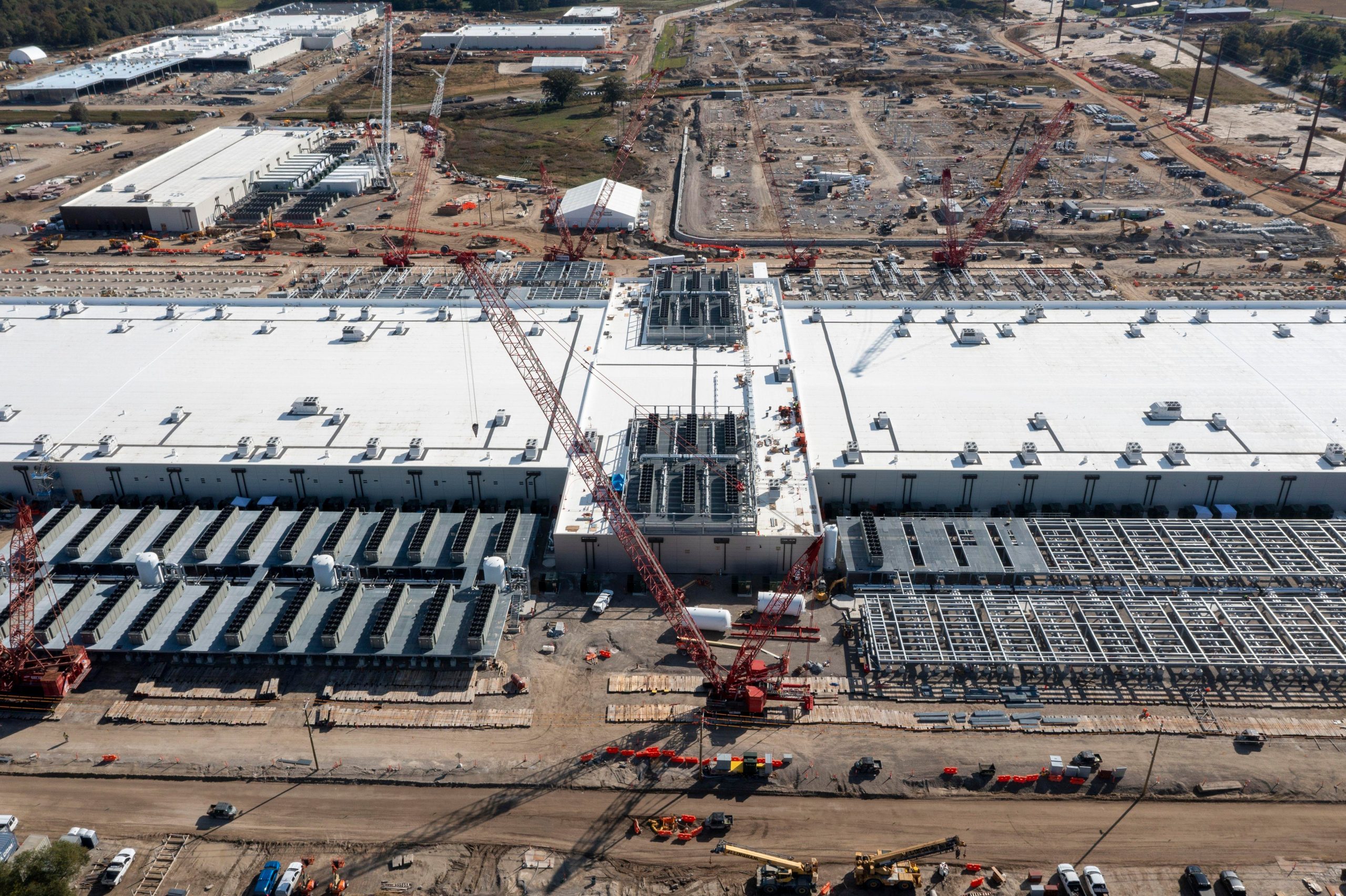
The rapid expansion of Artificial Intelligence is hitting a significant roadblock, not from technological limitations, but from voter concerns. Recent midterm elections saw a decisive rejection of unchecked data center growth, with 40 out of 41 local ballot initiatives aimed at restricting their construction passing. This groundswell of public opinion is forcing AI industry leaders, like OpenAI, to reassess their community engagement strategies.
A Public Imperative for Oversight
The message from communities across the nation is clear: the unchecked proliferation of data centers, often a prerequisite for the massive computational power required by AI, is a growing concern. Voters are not only expressing skepticism about the environmental impact and resource demands of these facilities but are also demanding greater accountability from the companies driving AI innovation. This sentiment translated into tangible political victories, signaling a shift in the public’s perception of the AI industry from a purely beneficial force to one requiring careful regulation and oversight.
Chris Lehane, OpenAI’s chief global affairs officer, acknowledged the industry’s recent “bruises” in the electoral arena. Speaking during a “listening and learning” tour in rural Texas, near the site of a proposed large-scale OpenAI data center, Lehane indicated a pivot in strategy. The company recognizes that its future growth is intrinsically linked to public acceptance and is actively seeking to address community anxieties. This tour, and similar initiatives, represent a departure from a purely technological focus to one that prioritizes local dialogue and understanding.
Rebranding for Acceptance: A New Strategy
OpenAI’s approach to building new data centers now appears to be heavily influenced by the need to mend public perception. The company is reportedly exploring ways to rebrand its data center projects, moving away from a perception of imposing, resource-intensive infrastructure to one that emphasizes community benefit and responsible development. This could involve increased transparency regarding energy consumption, water usage, and potential economic contributions to local areas. The goal is to foster a sense of partnership rather than imposition, aiming to reduce the “hate” or apprehension that voters currently associate with these massive technological hubs.
The challenge for OpenAI and other AI giants lies in demonstrating that their development goals can coexist with community well-being and environmental sustainability. As AI continues to weave itself into the fabric of society, the public’s demand for responsible innovation will only grow. The success of future AI endeavors may hinge not just on algorithmic advancements but on the ability of these companies to build trust and secure genuine community buy-in for the infrastructure that powers them.
The Road Ahead: Balancing Innovation and Community
The recent electoral outcomes serve as a potent reminder that technological progress cannot operate in a vacuum. The AI industry must navigate a complex landscape where public opinion, environmental concerns, and regulatory pressures intersect. OpenAI’s current efforts to engage with communities and rebrand its data center initiatives signal a recognition of this reality. The coming months and years will reveal whether this shift in strategy can effectively bridge the gap between technological ambition and public acceptance, ensuring a more sustainable and welcomed future for AI development.
SOURCE INFORMATION:
TITLE: OpenAI is betting a data center rebrand will make you hate them less
DESCRIPTION: Republicans weren’t the only big losers in last week’s midterms: Across the country, voters also backed restrictions on data centers and elected candidates promising tougher oversight of AI companies. Out of 41 local ballot initiatives limiting the data center buildout, 40 of them passed, according to the New York Times. The AI industry knows it […]
CONTENT: An under-construction data center in Saline, Michigan, on October 6, 2026. | Jim West/UCG/Universal Images Group via Getty Images Republicans weren’t the only big losers in last week’s midterms: Across the country, voters also backed restrictions on data centers and elected candidates promising tougher oversight of AI companies. Out of 41 local ballot initiatives limiting the data center buildout, 40 of them passed, according to the New York Times. The AI industry knows it was a tough cycle: Chris Lehane, the chief global affairs officer for OpenAI, told Today, Explained co-host Sean Rameswaram that “I could take my shirt off and show you my [metaphorical] bruises if you want.” Now, OpenAI is figuring out how to move forward. Lehane talked with Sean from rural Texas, where he said he was on a “listening and learning” tour of communities around the site of a massive OpenAI data center. They discussed the lessons of the midterm election, why OpenAI would prefer that we
SOURCE: Vox
Based on materials: Vox



