
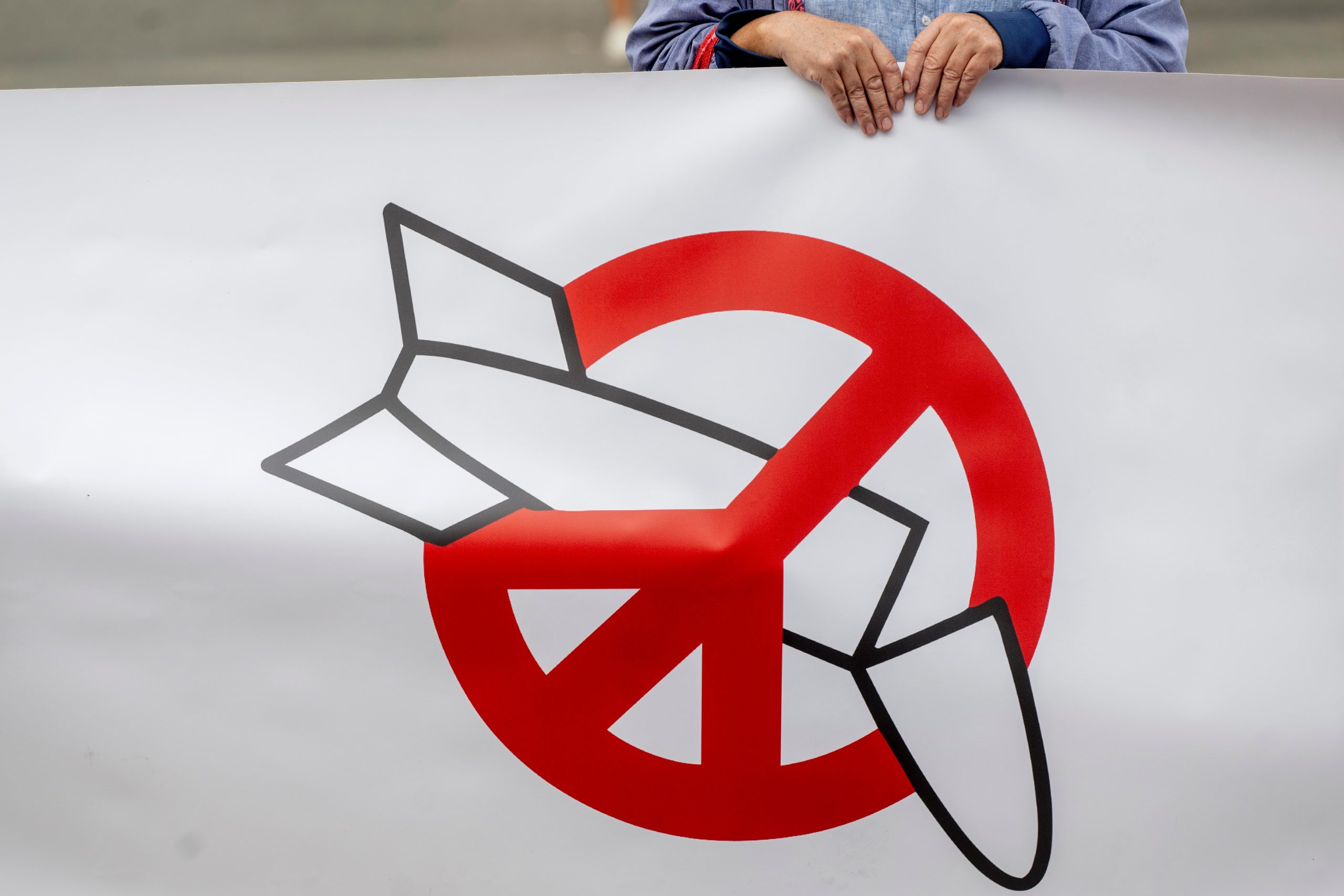
Illinois Governor JB Pritzker’s stark comparison of artificial intelligence to nuclear weapons resonates widely, highlighting a growing global anxiety about AI’s potential dangers. This alarming parallel suggests a crucial question: can the world replicate the success of nuclear arms control to manage the existential risks posed by advanced AI? While the framework of nuclear nonproliferation offers a compelling model for AI governance, its efficacy in truly eliminating catastrophic threats remains a subject of debate, presenting a complex blueprint for the future of AI regulation.
The Shadow of the Bomb and the Algorithm
The comparison between AI and nuclear weapons is not merely rhetorical; it stems from the shared characteristic of being potentially world-altering technologies. Just as nuclear fission presented humanity with an unprecedented power for destruction, advanced AI promises transformative capabilities, both beneficial and perilous. The international community, through decades of treaties and agreements, has grappled with containing the proliferation and use of nuclear weapons. This historical effort provides a rich, albeit imperfect, precedent for policymakers now confronting the rapid ascent of AI. However, the core challenge lies not in the technical differences between nuclear physics and machine learning, but in the fundamental understanding of what “constraining a dangerous technology” truly means.
Nuclear Non-Proliferation: A Flawed, Yet Instructive, Blueprint
The success of nuclear non-proliferation efforts can be viewed through different lenses. On one hand, the world has largely avoided a full-scale nuclear war between major powers, a testament to the deterrent effect and the establishment of global norms against nuclear use. Treaties like the Nuclear Non-Proliferation Treaty (NPT) have aimed to prevent the spread of nuclear weapons and promote disarmament. Yet, on the other hand, the threat of nuclear annihilation has never truly disappeared. Rogue states and the constant risk of accidental detonation or miscalculation continue to loom. This duality is critical when considering AI. While international agreements could certainly slow down or limit certain AI developments, they may not entirely eradicate the possibility of weaponized AI or unforeseen catastrophic outcomes. The “unfinished work” of nuclear governance teaches us that managing a dangerous technology is a continuous, imperfect process, not a definitive solution.
Navigating the AI Frontier: Beyond a Simple Analogy
The analogy between AI and nuclear weapons, while powerful, is not without its limitations. Nuclear weapons are tangible, discrete devices with clear destructive capabilities. AI, conversely, is a more amorphous and rapidly evolving field. Its potential harms can be subtle, pervasive, and emergent, ranging from mass disinformation and economic disruption to autonomous warfare and existential threats from superintelligence. Therefore, a regulatory approach for AI will likely require a more nuanced and adaptable strategy than that used for nuclear arms. This might involve a combination of ethical guidelines, international research collaboration, robust safety protocols, and proactive risk assessment, rather than solely focusing on non-proliferation. The goal, as with nuclear weapons, should be to foster a world where humanity can harness the benefits of AI while mitigating its most profound risks, acknowledging that complete elimination of threat is an aspirational, rather than a guaranteed, outcome.
Based on materials: Vox



