
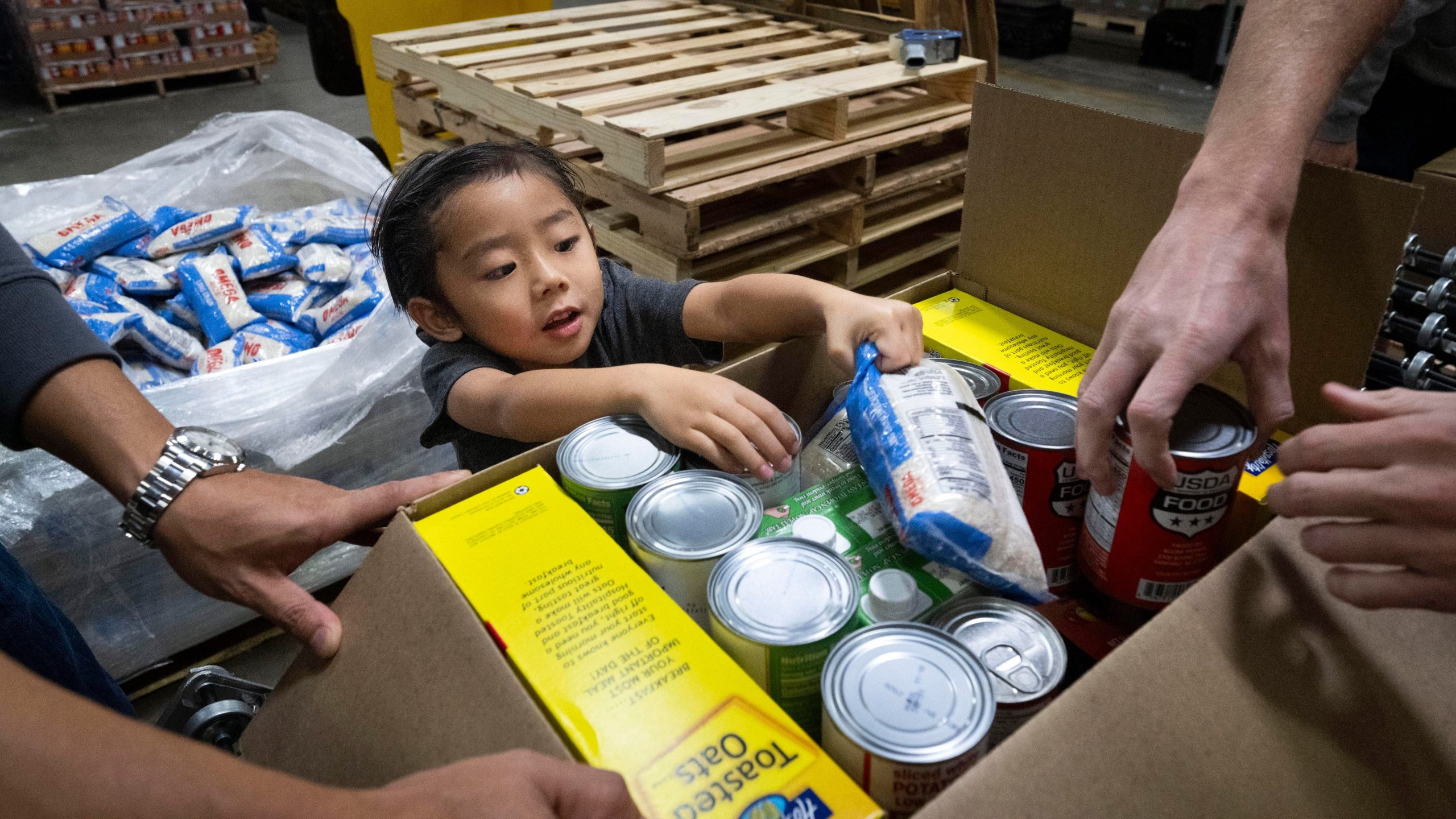
As the nation approaches Thanksgiving, a time traditionally associated with gratitude and shared meals, a stark reality is unfolding for millions of Americans: the struggle to put food on the table. The recent rollback of federal food assistance benefits, particularly the Supplemental Nutrition Assistance Program (SNAP), is pushing families to the brink, forcing heartbreaking choices between essential needs. Children are disproportionately affected, with parents now facing the agonizing dilemma of hearing their child cry from hunger or leaving them to shiver in the cold due to an inability to afford heating.
The economic squeeze is a familiar narrative for many, with rising costs at the gas pump and grocery store impacting household budgets nationwide. However, for a significant segment of the population, this inflationary pressure is compounded by the drastic reduction in government support. The passage of the “One Big Beautiful Bill Act” last year, championed by Republicans, has led to an estimated 5.5 million individuals losing their SNAP benefits, according to projections from the Center on Budget and Policy Priorities. This substantial decrease in aid comes at a critical time, exacerbating an already precarious situation for low-income households.
The Ripple Effect on Vulnerable Families
The impact of these SNAP cuts extends far beyond immediate hunger pangs. For parents, the loss of this vital safety net can trigger a cascade of negative consequences. With less money available for groceries, families are forced to cut back on nutritious foods, potentially impacting children’s development and long-term health. This scarcity can also lead to increased stress and anxiety within households, creating a cycle of hardship that is difficult to break. Food banks and charitable organizations, already strained by demand, are now reporting an even greater influx of individuals seeking assistance, underscoring the severity of the widening gap in food security.
A Policy Choice with Human Costs
The decision to reduce SNAP benefits, while framed by proponents as a measure to encourage self-sufficiency and fiscal responsibility, carries significant human costs. Critics argue that such broad-stroke cuts fail to account for the complex realities faced by vulnerable populations, including those with disabilities, the elderly, and families with young children. The timing of these reductions, coinciding with a period of economic uncertainty and the holiday season, amplifies the sense of distress and hardship. This policy shift highlights a broader societal debate about the role of government in providing a social safety net and the ethical implications of decisions that directly impact the well-being of millions of citizens.
The ongoing food insecurity crisis, exacerbated by these policy changes, demands urgent attention. As the nation reflects on its values this Thanksgiving, the growing number of Americans struggling to access basic necessities serves as a somber reminder of the disparities that persist and the critical need for compassionate and effective solutions to ensure food security for all.
Based on materials: Vox



