A recent national count of individuals experiencing homelessness has revealed a surprising dip in numbers, offering a glimmer of optimism amidst a persistent societal challenge. However, a closer examination of the data suggests this positive trend is not necessarily indicative of a systemic solution, but rather a complex interplay of factors that warrant deeper investigation.
A Momentary Respite?
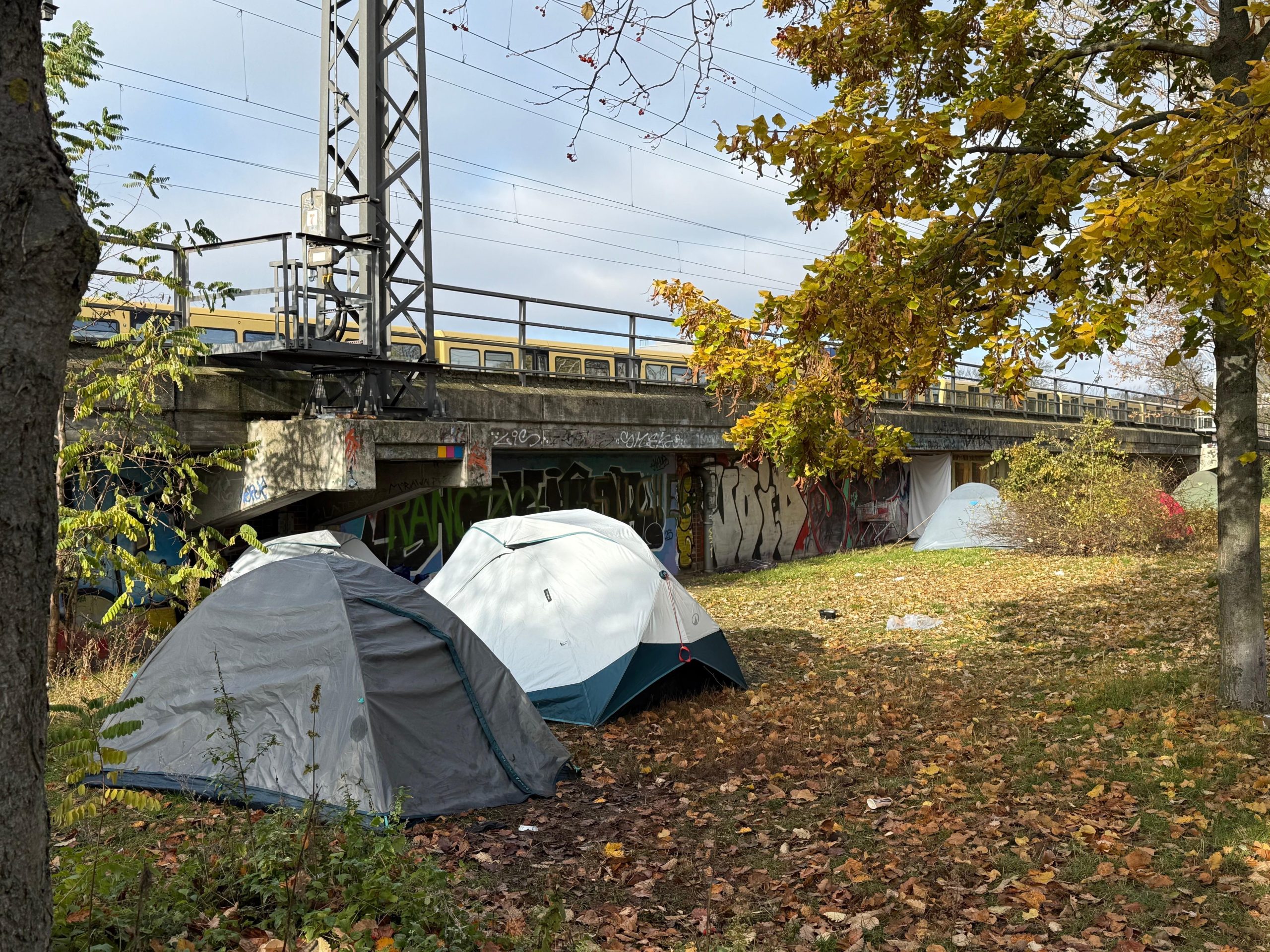
Each year, on a single cold winter night, dedicated social workers and volunteers embark on a nationwide mission. They meticulously traverse streets, parks, and public transit systems, seeking out those living without shelter – in tents, on benches, or seeking refuge in doorways. This crucial “Point-in-Time Count,” compiled by the U.S. Department of Housing and Urban Development (HUD), serves as the federal government’s benchmark for understanding the scope of homelessness. This year’s preliminary findings, released by HUD, indicate a notable decrease, with approximately 698,425 individuals counted as homeless on a given night in January. This represents a 6.3 percent reduction compared to previous years, a statistic that, on the surface, appears unequivocally good.
Unpacking the Numbers: The Nuances of the Count
While the headline figures suggest a positive trajectory, experts caution against interpreting this decline as a definitive victory over homelessness. The Point-in-Time Count, by its very nature, is a snapshot, capturing individuals on one specific night. It does not account for the fluid nature of homelessness, where individuals may move in and out of shelter or temporary housing. Furthermore, the methodology relies on visible enumeration, potentially missing those who are more adept at concealing their circumstances. The “catch,” as some observers have noted, lies in the fact that a reduction in visible homelessness doesn’t necessarily equate to a reduction in the underlying causes, such as a lack of affordable housing, stagnant wages, or insufficient mental health and addiction support services.
The Road Ahead: Addressing Root Causes
The reported decrease in the Point-in-Time count, while encouraging, underscores the urgent need to delve beyond the surface-level statistics. Analysts suggest that the decline may be influenced by a variety of factors, including increased outreach efforts, the temporary effectiveness of certain housing programs, or even adverse weather conditions on the night of the count. However, the persistent issue of housing affordability and the ongoing struggles faced by vulnerable populations mean that the gains made could be fragile. True progress will require sustained investment in long-term solutions, including expanding access to affordable housing, strengthening social safety nets, and providing comprehensive support for mental health and substance use disorders. The encouraging dip in numbers serves as a powerful reminder that while the visible problem may be lessening, the complex systemic issues that drive homelessness remain.
CONCLUSION:
The recent decrease in the national homeless count offers a welcome, albeit potentially temporary, reprieve. While this data point provides a reason for cautious optimism, it is imperative to recognize the limitations of the Point-in-Time Count and the underlying complexities of the homelessness crisis. A holistic approach, addressing the root causes of housing insecurity and poverty, will be essential to ensure that this positive trend translates into lasting change for those most in need.
Based on materials: Vox