
Colorado’s Wolf Reintroduction Faces Early Setbacks
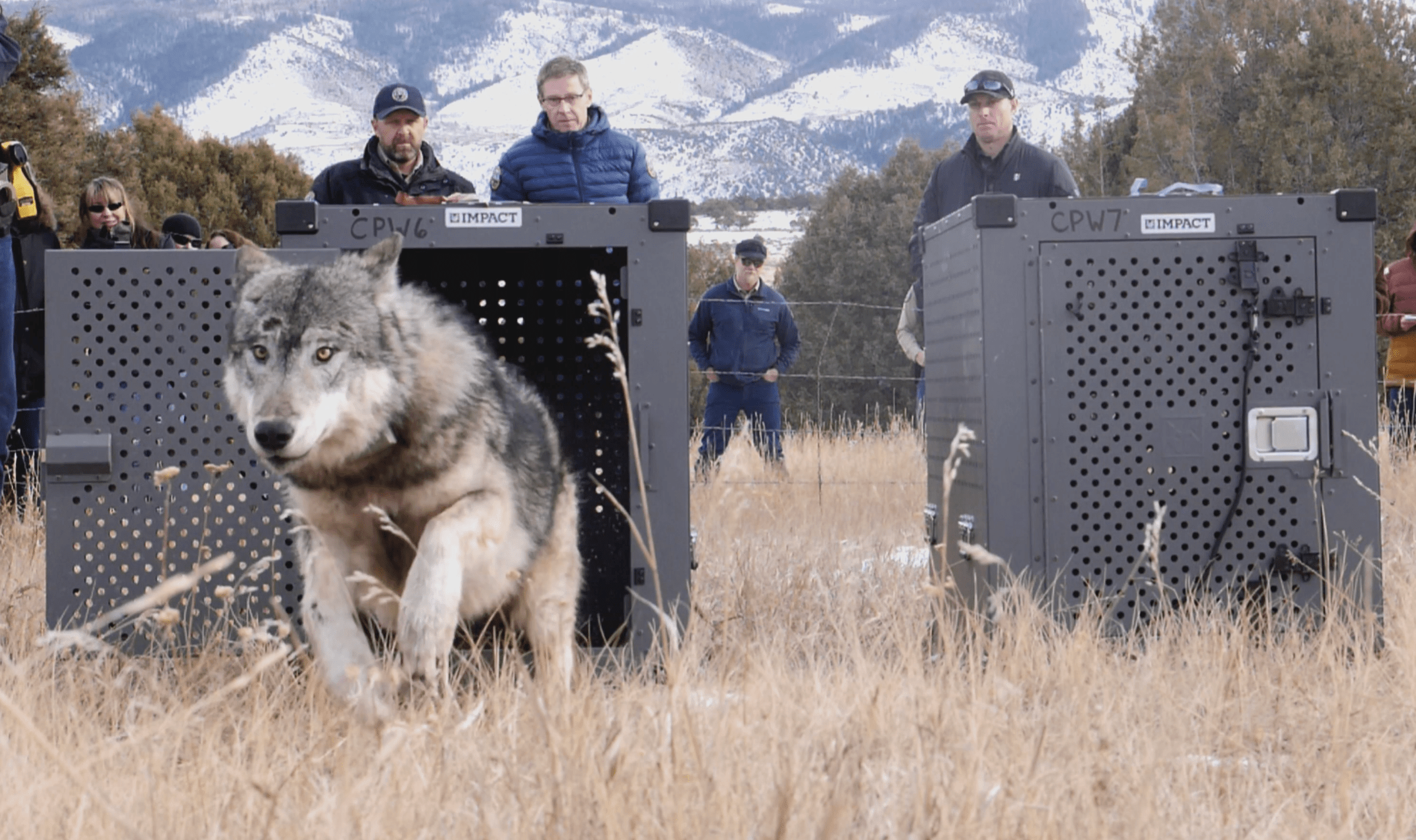
Colorado’s ambitious effort to restore its gray wolf population, absent for nearly 80 years, is facing unexpected challenges just two years after the historic reintroduction. The initiative, celebrated as a landmark conservation victory, has been marred by recent wolf deaths, raising concerns about the long-term viability of the program.
A Historic Homecoming
The reintroduction, a direct result of a 2020 ballot measure passed by Colorado voters, marked a turning point in wildlife conservation. Colorado became the first state to mandate wolf reintroduction through a public vote. On December 18, 2023, wildlife officials released five gray wolves onto public land in northwestern Colorado. This bold decision aimed to revitalize the state’s ecosystem and restore a natural balance that had been missing for decades. The extermination of wolves, driven by government-backed campaigns in the 19th and 20th centuries, had left a significant void in the state’s ecological landscape.
Unexpected Mortality Raises Concerns
While the initial release was met with optimism, recent reports of wolf deaths have cast a shadow over the reintroduction efforts. The exact causes of these deaths are under investigation, but potential factors include vehicle collisions, natural causes, and, controversially, illegal killings. These incidents highlight the complex challenges of reintroducing apex predators into environments where they have been absent for generations. The presence of livestock, human development, and existing hunting practices create a potentially hostile landscape for the newly reintroduced wolves. The deaths raise the question of whether adequate measures were taken to protect the wolves and mitigate potential conflicts.
Navigating the Path Forward
The success of Colorado’s wolf reintroduction program hinges on addressing these challenges head-on. This includes enhanced monitoring of the wolf population, proactive conflict mitigation strategies with ranchers and landowners, and robust public education campaigns to foster understanding and acceptance of wolves in the landscape. Finding a balance between conservation goals and the needs of local communities will be crucial. The early setbacks serve as a reminder that reintroducing a keystone species is a complex and multifaceted undertaking, requiring ongoing adaptation and commitment to ensure long-term success. The future of Colorado’s wolves depends on it.
Based on materials: Vox



