
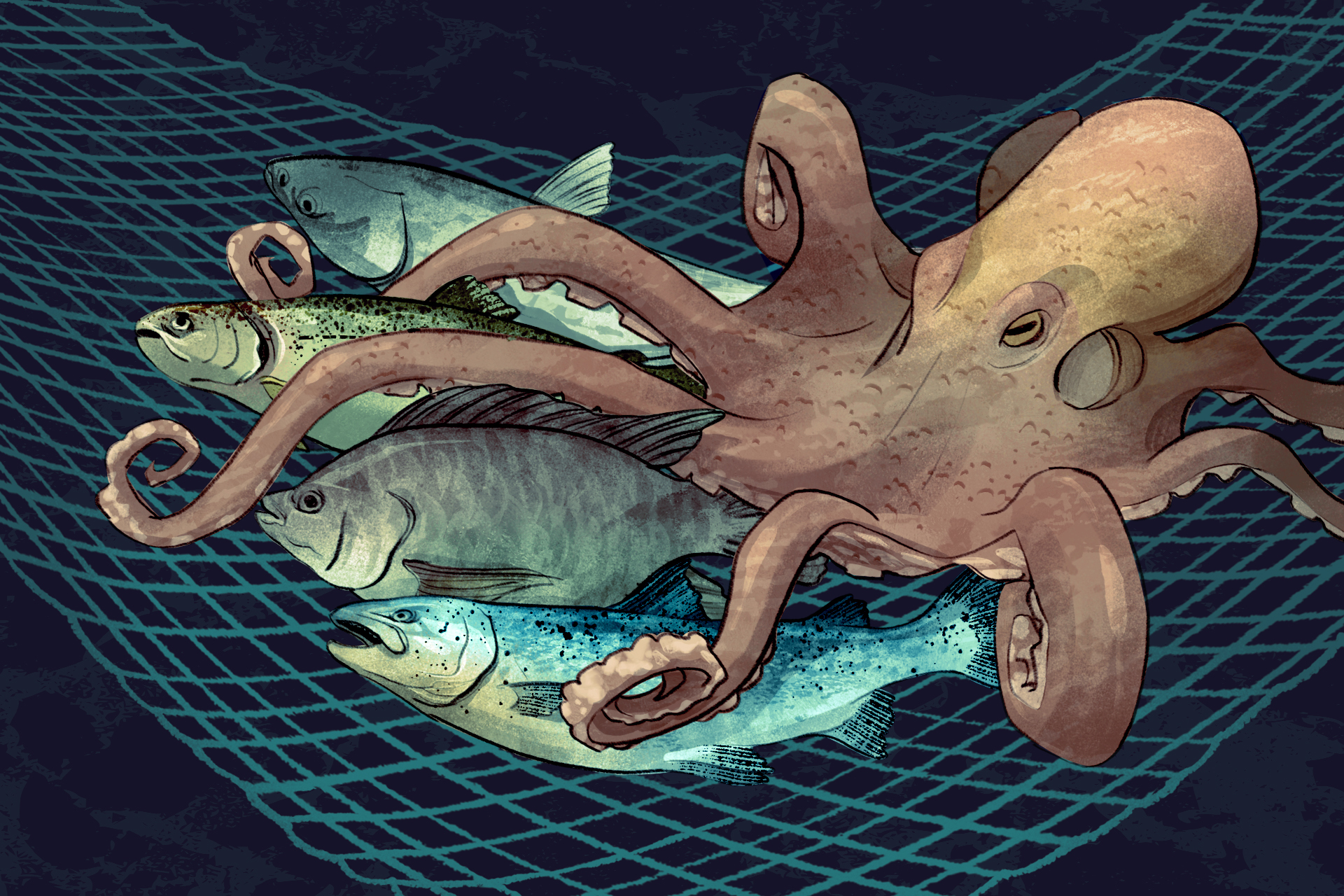
Underwater Factory Farms: The Ethical Cost of Seafood
For years, the spotlight has been on the ethical implications of factory farming on land. However, a potentially larger, and arguably more neglected, issue lurks beneath the waves: the mass production of aquatic animals for food. While land-based factory farms raise and slaughter an estimated 80 billion animals annually, the number of fish and other aquatic creatures used for food is estimated to be in the hundreds of billions, possibly even trillions.
The Rise of Aquaculture: A Double-Edged Sword
Driven by increasing demand and dwindling wild fish populations, aquaculture, or fish farming, has exploded in recent decades. As of 2022, the majority of fish consumed by humans are no longer wild-caught but raised in these aquatic farms. While proponents tout aquaculture as a solution to overfishing and a more sustainable way to feed a growing global population, animal welfare advocates have raised serious concerns about the conditions within these facilities.
These “underwater factory farms,” as they’ve been dubbed, often prioritize maximizing output and minimizing costs, leading to overcrowded and unsanitary conditions. Fish are frequently subjected to stress, disease, and injury, raising serious ethical questions about the treatment of these sentient beings. The environmental impact is also a concern, with potential for pollution from waste and the spread of disease to wild populations.
Beyond the Numbers: A Moral Imperative
The sheer scale of aquatic animal farming demands greater attention and scrutiny. It’s crucial to acknowledge that these are not simply numbers on a spreadsheet, but living creatures capable of experiencing pain and suffering. As consumers, we have a responsibility to understand the origins of our food and the impact our choices have on the environment and animal welfare.
The industry has an ethical imperative to adopt more humane and sustainable practices. This includes reducing stocking densities, improving water quality, and providing enrichment to promote natural behaviors. Furthermore, increased transparency and traceability are essential to empower consumers to make informed decisions.
Conclusion
The rise of aquaculture presents a complex challenge. While it offers a potential solution to the growing demand for seafood, the current practices raise serious ethical and environmental concerns. By acknowledging the sentience of aquatic animals and demanding more humane and sustainable farming practices, we can work towards a future where seafood production is both environmentally responsible and ethically sound. The ocean’s bounty should not come at the cost of animal welfare and environmental degradation.
Based on materials: Vox



