
Infant Hepatitis B Vaccine Recommendation Faces Rollback: Experts Concerned
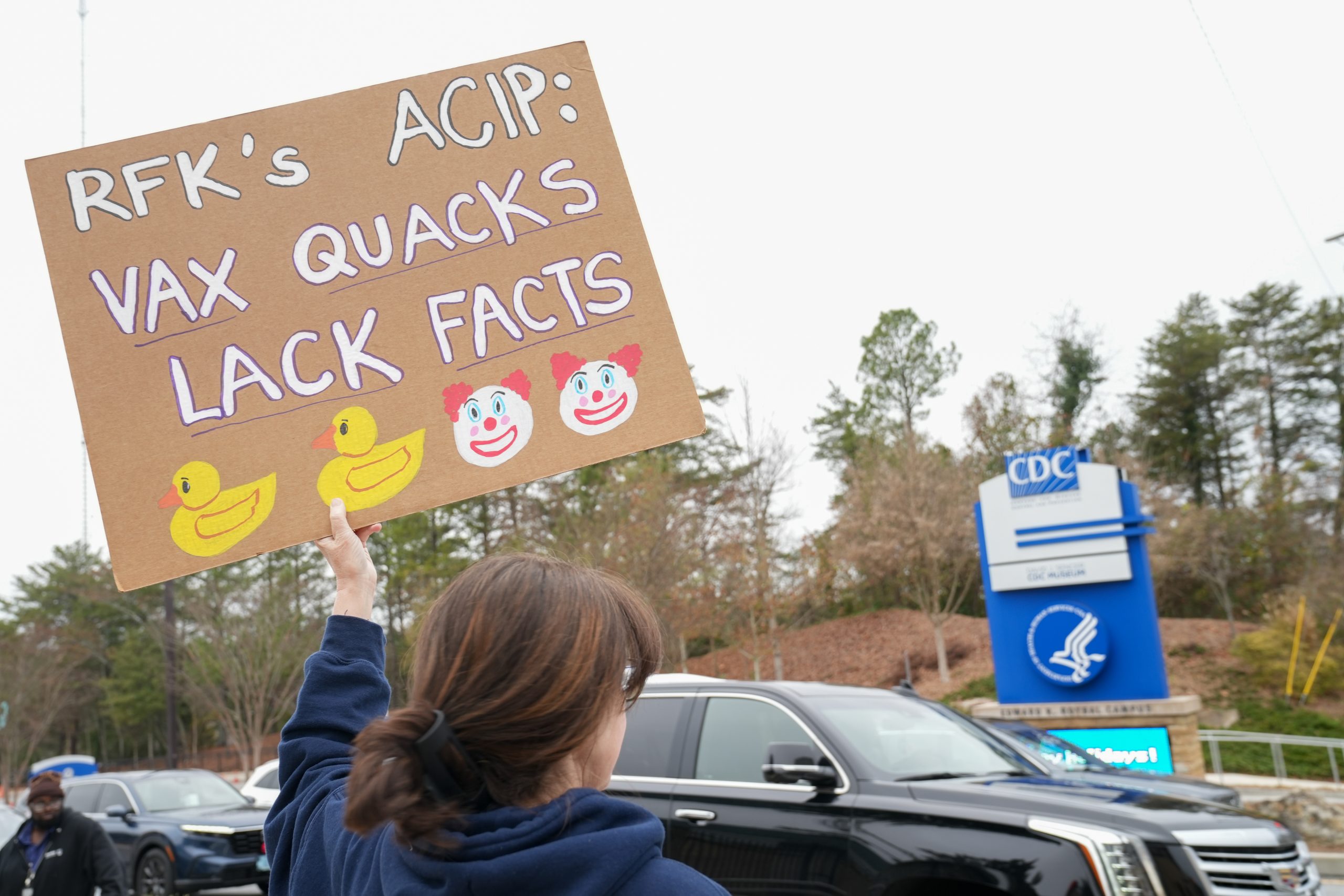
A pivotal shift in national immunization policy is brewing, raising concerns among public health experts. The federal government is poised to end its long-standing recommendation that all infants receive the hepatitis B vaccine at birth. This significant change, spearheaded by US Health Secretary Robert F. Kennedy Jr.’s advisory committee, would mark the most substantive alteration to the childhood immunization schedule to date.
From Universal Recommendation to Individual Choice
The decision stems from new guidelines proposed by the US Advisory Committee on Immunization Practices. Instead of a blanket recommendation, the Trump administration is suggesting a move towards “individual decision-making,” leaving the choice of vaccinating newborns against hepatitis B to parents in consultation with their physicians. This marks a departure from the current standard practice, where the first dose of the hepatitis B vaccine is typically administered within 24 hours of birth, before infants leave the hospital.
Public Health Implications and Potential Risks
The potential consequences of this policy shift are significant. Public health experts warn that removing the universal recommendation could lead to a decline in vaccination rates, leaving infants vulnerable to hepatitis B infection. Hepatitis B is a serious liver infection that can become chronic, leading to liver damage, liver cancer, and even death. Infants are particularly susceptible to chronic infection if they contract the virus at birth or during early childhood.
Critics of the proposed change argue that it ignores the benefits of universal vaccination, which has been instrumental in dramatically reducing hepatitis B rates in the United States. Furthermore, relying on individual decision-making could exacerbate existing health disparities, as access to information and healthcare varies across different communities. The CDC’s eventual decision will likely have ripple effects on healthcare policies nationwide.
Conclusion: A Delicate Balance
The debate surrounding the hepatitis B vaccine recommendation highlights the delicate balance between individual autonomy and public health imperatives. While proponents of the change emphasize the importance of parental choice, experts stress the proven efficacy and safety of the vaccine, and the potential risks associated with reduced vaccination coverage. Only time will tell how this policy shift will impact the health of future generations.
Based on materials: Vox



