
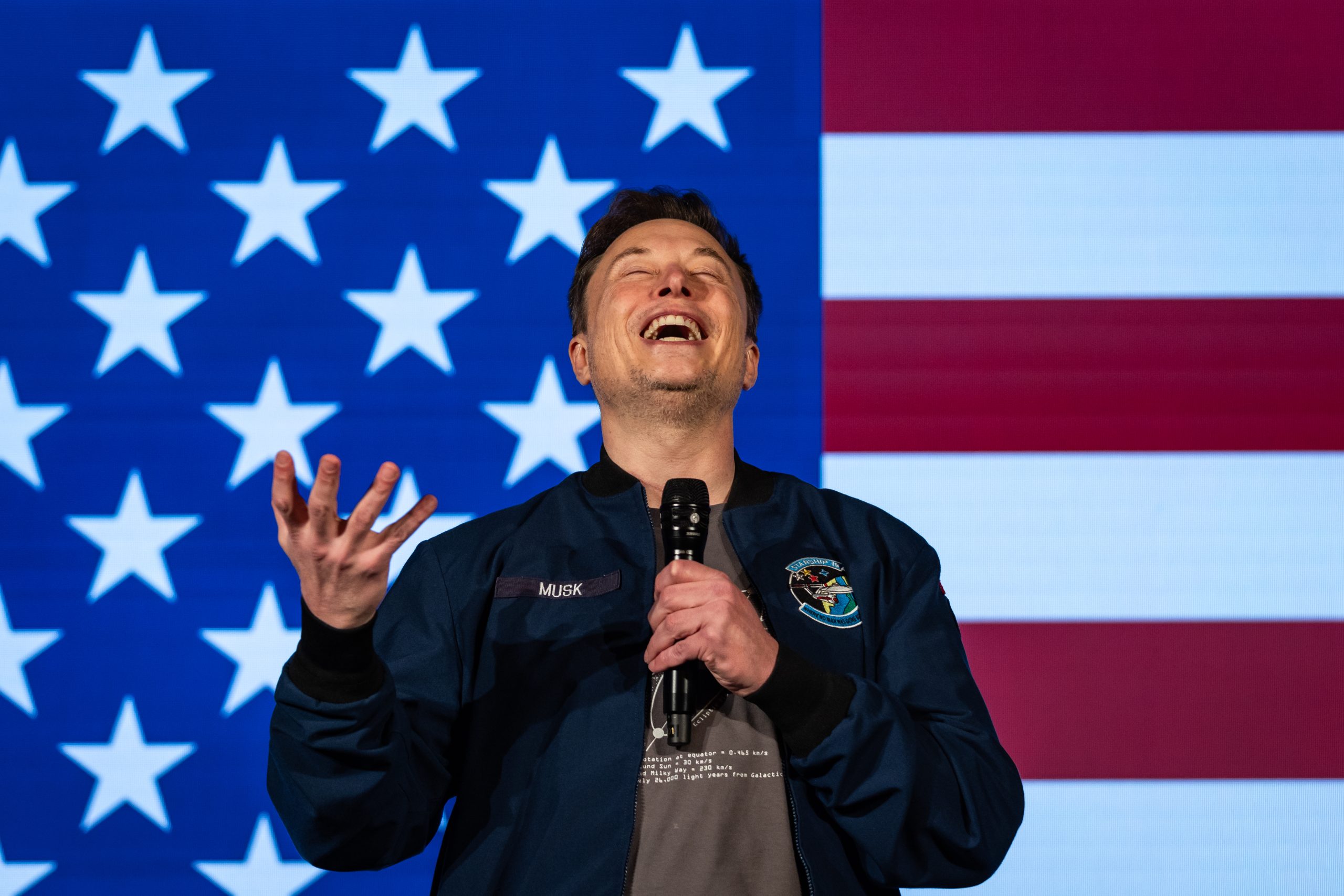
X Marks the Spot for Right-Wing Infighting Post-Musk Takeover
Elon Musk’s acquisition of Twitter, rebranded as X, was initially hailed by many on the right as a victory against perceived progressive bias. The platform, once seen as a haven for liberal voices, seemingly shifted its allegiances, contributing to a sense of triumph for conservatives. However, this newfound dominance has paradoxically sown seeds of discord within the right-wing community, transforming X into a battleground for bitter internal disputes.
From Unifying Force to Dividing Line
For a time, X appeared to solidify the conservative movement. The narrative of a “woke era” ending, coupled with the return of Donald Trump to power, fueled a perception of right-wing ascendancy. The platform facilitated the spread of conservative viewpoints and provided a space for like-minded individuals to connect and amplify their messages. But this unity proved fragile.
Fractures Emerge: Israel, Antisemitism, and Identity
In recent months, cracks have begun to appear in the right’s facade of solidarity on X. Intense and public feuds have erupted over a range of sensitive topics. The Israeli-Palestinian conflict, accusations of antisemitism, and even debates about the legitimacy of certain groups’ belonging to the American identity have fueled animosity. Indian Americans have been targeted by online bigotry. Discussions about who qualifies as “real Americans” based on ancestry have further deepened the divide.
This infighting highlights a crucial tension within the conservative movement. While there is common ground on certain core principles, disagreements on specific issues and identity politics are proving difficult to reconcile. X, instead of serving as a platform for unified action, has become a mirror reflecting the internal fragmentation of the right. Musk’s vision of an open platform, while intended to foster free speech, has unintentionally amplified these divisions, leading to a more fragmented and contentious online environment. Whether this internal conflict will ultimately weaken the right’s political influence remains to be seen.
CONCLUSION:
The evolution of X under Elon Musk’s ownership presents a complex and ironic situation. What was initially celebrated as a triumph for the right has inadvertently become a catalyst for internal conflict. The platform’s open nature, while promoting free speech, has also amplified existing divisions within the conservative movement. As these disputes continue to play out publicly on X, it raises questions about the long-term impact on the right’s political cohesion and ability to effectively advance its agenda. The future of X, and its role in shaping political discourse, remains uncertain.
Based on materials: Vox



