
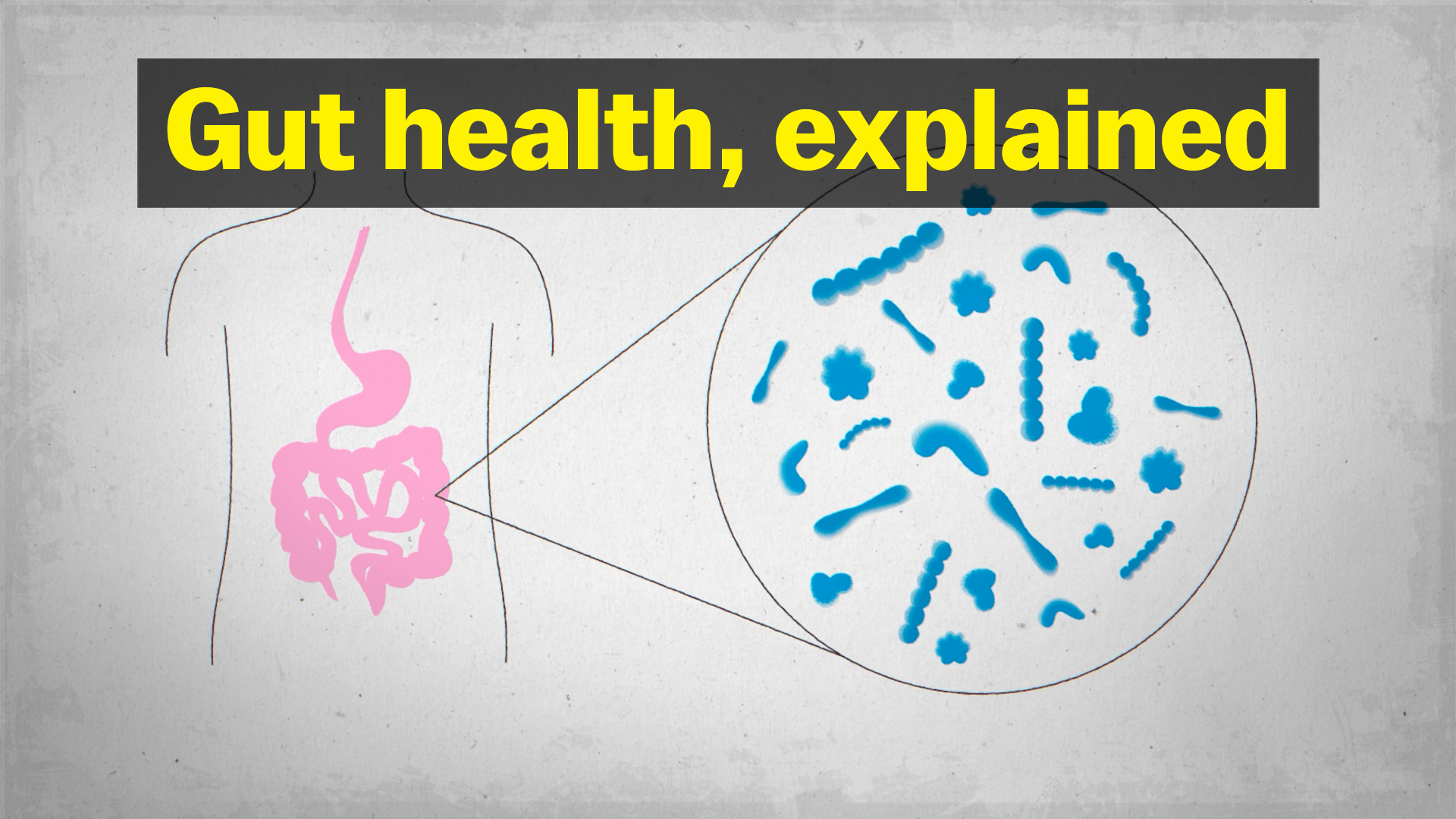
The term “gut health” has exploded into the mainstream, fueled by viral TikTok trends like #GutTok, boasting over 6 billion views, and a global digestive health market exceeding $60 billion. While a surge of miracle products, cleanses, and restrictive diets promise quick fixes, understanding the true meaning and scientific underpinnings of gut health is crucial. Beyond the fleeting fads lies a complex ecosystem within us that plays a pivotal role in our overall well-being.
The Microbiome: Our Inner Universe
At the heart of gut health is the gut microbiome – a vast and intricate community of trillions of microorganisms, including bacteria, viruses, and fungi, residing within our digestive system. This isn’t just passive cohabitation; it’s a dynamic, symbiotic relationship. We provide these microbes with a hospitable environment and nourishment, and in return, they produce essential substances that benefit both our physical and mental health. These microscopic allies are instrumental in regulating numerous bodily functions, fortifying our defenses against disease, and even aiding recovery from infections, such as the cyclosporiasis outbreak currently affecting parts of the US.
Navigating the Wellness Landscape
The sheer volume of advice and products flooding the market can be overwhelming. From fermented foods like kimchi and kefir to specialized probiotic supplements and trendy wellness shots, the options are endless. However, experts caution against a one-size-fits-all approach. The effectiveness and suitability of these interventions can vary significantly from person to person. What works wonders for one individual might have little impact or even adverse effects on another. This individuality stems from the unique composition of each person’s gut microbiome, which is shaped by a multitude of factors including genetics, diet, lifestyle, and environmental exposures.
Science-Backed Strategies for a Healthy Gut
While the science of gut health is still evolving, several core principles have emerged as foundational for fostering a thriving microbiome. A diverse and balanced diet rich in fiber is paramount. Foods like fruits, vegetables, whole grains, and legumes act as prebiotics, feeding beneficial bacteria. Incorporating fermented foods can introduce beneficial microbes directly. Equally important is managing stress, ensuring adequate sleep, and engaging in regular physical activity, all of which have been shown to positively influence the gut environment. Conversely, excessive consumption of processed foods, sugar, and artificial sweeteners can negatively impact microbial diversity. Rather than chasing the latest viral “hack,” focusing on sustainable, evidence-based dietary patterns and lifestyle choices offers a more reliable path to long-term gut health and overall vitality.
CONCLUSION:
The current fervor around gut health, while sometimes driven by sensationalized trends, highlights a genuine scientific interest in the profound impact of our internal microbial world. As research continues to unravel the intricate connections between the gut microbiome and human health, it’s clear that a holistic approach, grounded in scientific understanding and personalized care, will be key to truly optimizing our digestive well-being and, by extension, our overall health. Moving beyond the quick fixes and embracing sustainable, evidence-based practices offers the most promising route to a healthier gut.
Based on materials: Vox



