
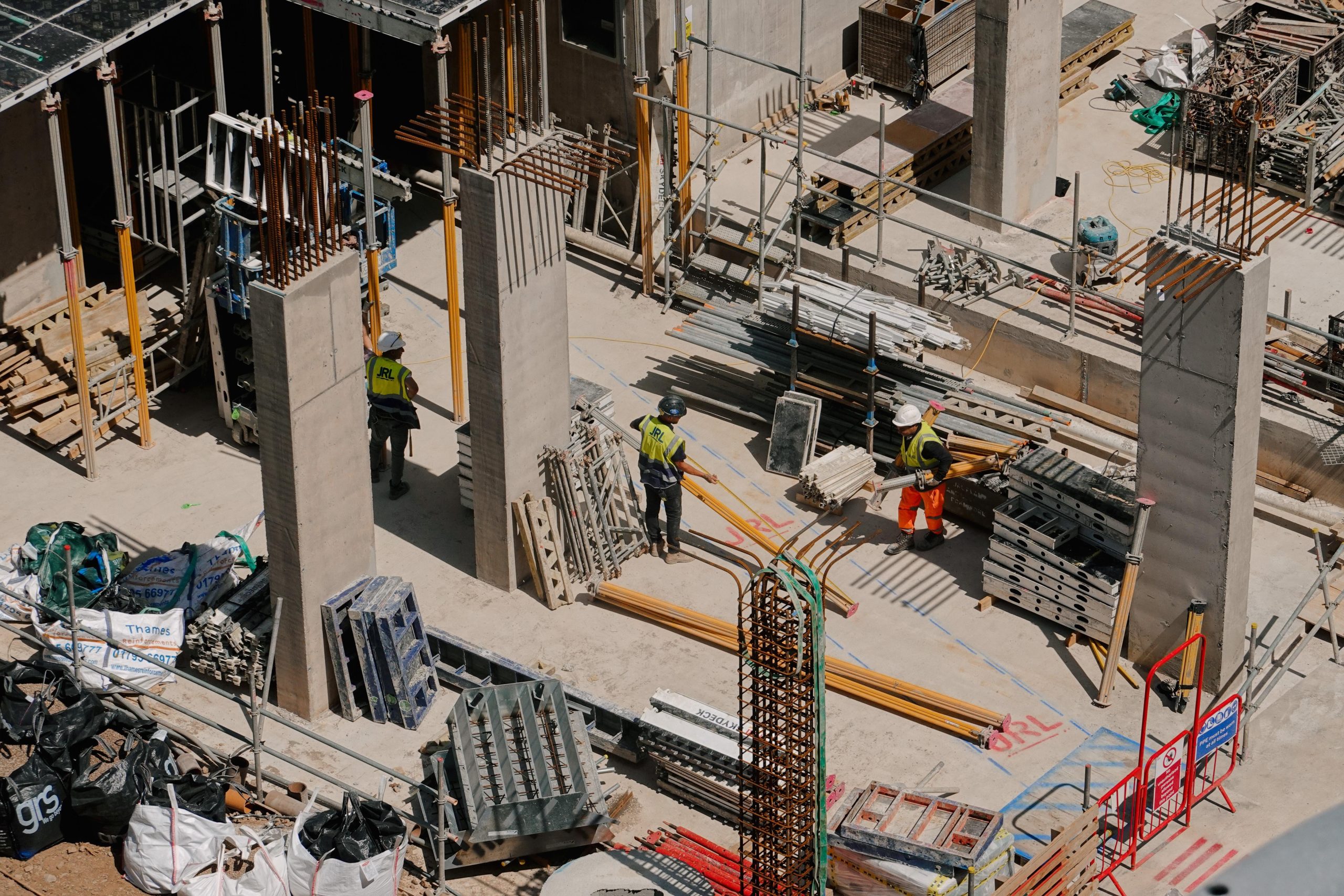
The ubiquitous material that built empires and modern cities, concrete, is notoriously one of the planet’s biggest polluters. Yet, a surprising scientific endeavor is looking to ancient Rome for a solution that could revolutionize construction and potentially mitigate climate change. Researchers are rediscovering the secrets behind Roman concrete, a material whose durability and environmental impact are proving far more sophisticated than previously understood.
Ancient Ingenuity, Modern Promise
For centuries, the sheer speed and lasting power of Roman architecture have astounded engineers. The secret, it turns out, lay in a sophisticated mix of volcanic ash and lime. This ancient recipe allowed Romans to create a material that not only hardened rapidly but also possessed an incredible resilience, with structures like the Pantheon enduring for millennia. Admir Masic, a materials science professor at MIT, has been at the forefront of unearthing these forgotten techniques. “Romans lived through a true architectural revolution,” Masic notes, “and at the foundation of this revolution, literally, was a concrete discovery.” The ability to transform simple earth into durable, moldable structures “literally changed everything.” While the knowledge of concrete’s full potential was lost for centuries after Rome’s fall, its rediscovery in the 18th century ushered in a new era of construction, albeit with a significant environmental cost.
Rethinking Concrete’s Carbon Footprint
Modern concrete production is responsible for approximately 8% of global CO2 emissions, a staggering figure driven by the energy-intensive process of creating Portland cement, the key binding agent. However, the Roman approach offers a compelling alternative. Researchers are finding that the volcanic ash used by the Romans, when mixed with lime and seawater, not only creates a strong and self-healing material but also has a significantly lower carbon footprint. The key lies in the chemical reactions that occur over time. Unlike modern cement, which releases CO2 during its initial production, Roman concrete appears to absorb CO2 as it ages, actively sequestering carbon. This regenerative property is generating immense excitement within the scientific community, offering a tangible pathway towards more sustainable building practices.
A Greener Future for Construction
The implications of this research extend far beyond academic curiosity. If these ancient methods can be scaled and adapted for modern construction, the building industry could undergo a profound transformation. Imagine infrastructure that not only lasts longer but also actively contributes to environmental health rather than detracting from it. This quest to “fix” concrete is not just about replicating the past; it’s about innovating for the future. By understanding and re-implementing the sustainable principles inherent in Roman concrete, scientists and engineers are paving the way for a construction sector that is less of a burden on the planet and more of a partner in its preservation. The quest is surprisingly hopeful, suggesting that the very material that built our past could be instrumental in securing a sustainable future.
Based on materials: Vox