
Trump’s Venezuela Intervention: Motives Murky Amidst Global Outcry
Over the weekend, a stunning turn of events unfolded as the United States, under the leadership of President Donald Trump, executed a military intervention in Venezuela, culminating in the capture of President Nicolás Maduro and the declaration of U.S. control over the South American nation. The justification for this bold move, however, remains shrouded in ambiguity, leaving both domestic and international observers scratching their heads.
Conflicting Narratives Emerge
The Trump administration has offered a series of explanations, each seemingly more convoluted than the last. Vice President JD Vance initially framed the intervention as a mission to bring Maduro to justice for alleged drug trafficking offenses, citing a 2020 indictment. “You don’t get to avoid justice for drug trafficking in the United States because you live in a palace in Caracas,” Vance proclaimed on social media, painting Trump as a crusader against international drug lords.
However, this narrative has been met with skepticism. Critics point out the timing of the intervention, years after the initial indictment, and question whether drug enforcement alone could warrant such a drastic action against a sovereign nation. Some speculate that the true motivations lie elsewhere, perhaps fueled by strategic interests or access to Venezuela’s vast oil reserves.
Oil as a Potential Catalyst
While no concrete evidence has surfaced to directly link the intervention to oil interests, the possibility cannot be dismissed. Venezuela holds the world’s largest proven oil reserves, and the U.S. has historically shown a keen interest in securing access to these resources. The removal of Maduro, a leader who has often clashed with U.S. foreign policy, could pave the way for a more favorable relationship and potentially open the door for increased U.S. involvement in Venezuela’s oil industry.
This situation raises complex questions about the ethics of foreign intervention and the potential for economic gain to influence political decisions. Without clear and consistent explanations from the Trump administration, speculation will continue to swirl, fueling international condemnation and further destabilizing the already volatile region.
A Region on Edge
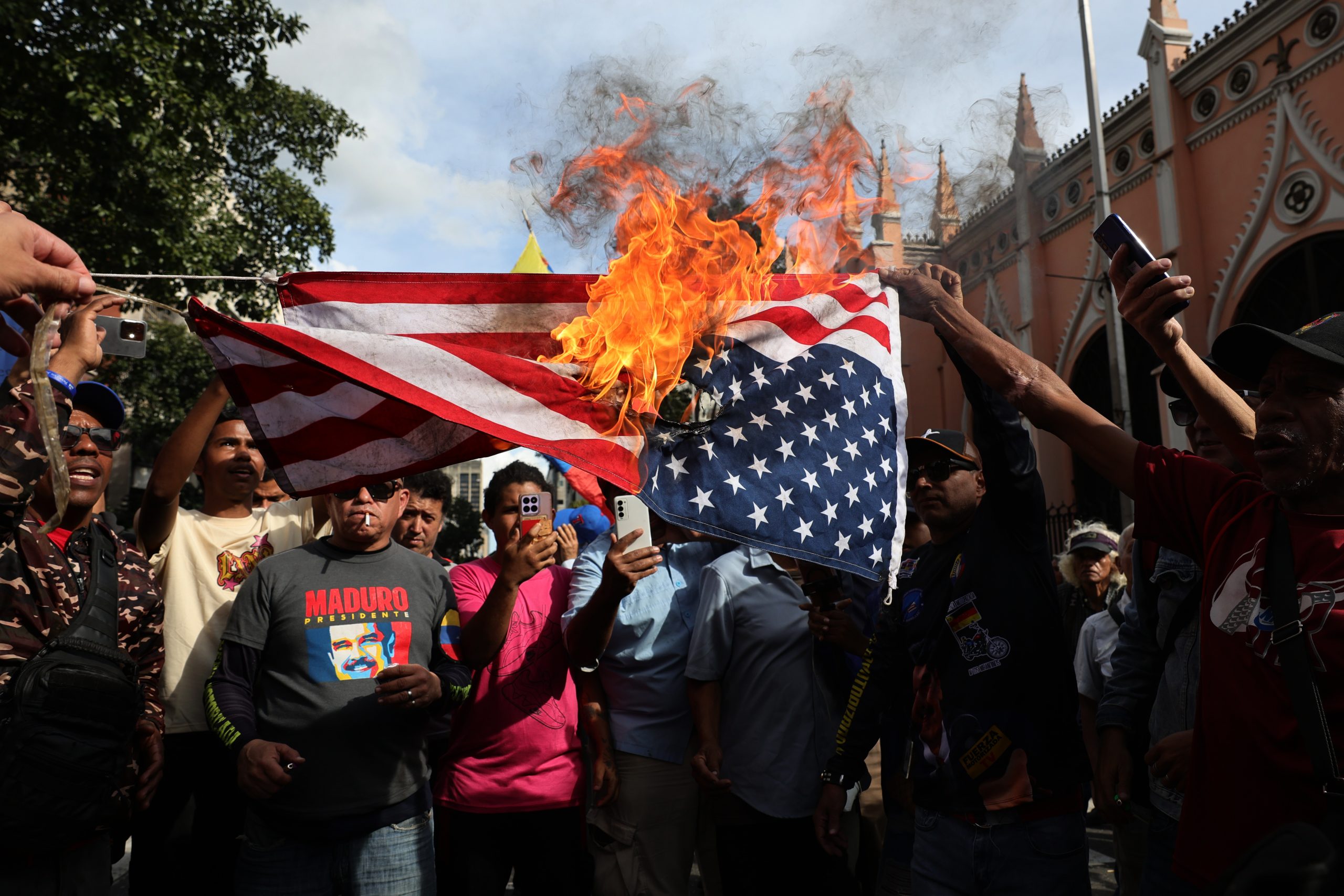
The U.S. intervention in Venezuela has sent shockwaves throughout Latin America, with many nations expressing concern over the violation of sovereignty and the potential for further unrest. The long-term consequences of this action remain uncertain, but it is clear that it has significantly strained U.S. relations with its neighbors and raised serious questions about the future of democracy and stability in the region. As the situation unfolds, the world watches with bated breath, hoping for a peaceful resolution and a return to diplomacy.
Based on materials: Vox



