
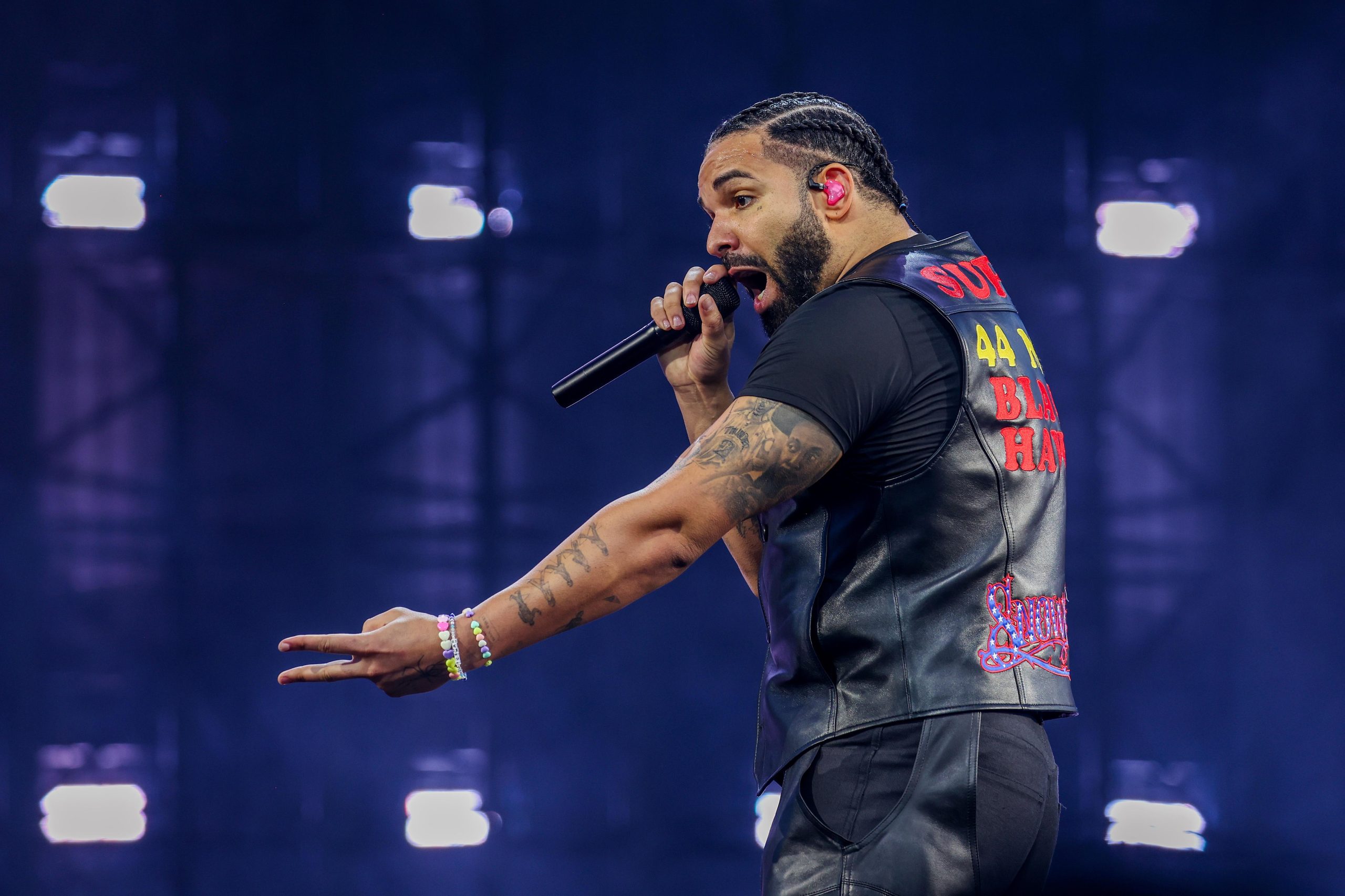
The music industry is abuzz with the concept of an artist’s “flop era,” a period where once-dominant figures struggle to replicate past chart success. From Drake’s recent vocal sparring with Kendrick Lamar to Katy Perry’s less impactful recent singles and Lizzo’s latest album failing to generate the expected buzz, the signs are palpable for many once-reigning artists. But what truly defines a musical flop, and what factors contribute to this perceived decline?
Defining the Flop: Expectations vs. Reality
According to music critic and author Tom Breihan, the notion of a “flop” is not as straightforward as it might seem. Breihan, executive editor at StereoGum and author of “The Number Ones: Twenty Chart-Topping Hits That Reveal the History of Pop Music,” emphasizes that a song’s success or failure is intrinsically linked to pre-existing expectations.
“There are a million songs on Spotify that nobody will ever hear,” Breihan explained to Vox. “Those songs are not necessarily flops because they did not necessarily come with expectations. When a major artist does not reach whatever a particular benchmark might be,
that’s
when we start talking about flops.” This perspective highlights that a song failing to find an audience is only considered a flop if it was anticipated to be a significant hit, often due to the artist’s established track record or substantial promotional backing. The sheer volume of music released daily means that obscurity is the norm, not the exception, for most tracks.
The Shifting Sands of Pop Culture and Algorithm Influence
Several factors beyond an artist’s direct control can contribute to a song’s underperformance. The landscape of popular music is constantly evolving, influenced by rapid-fire trends, the rise of new genres, and the ever-present power of streaming algorithms. What resonates with audiences today might be passé tomorrow.
Furthermore, the way music is consumed has dramatically changed. While radio play and physical sales once dictated success, streaming platforms now dominate. This shift means that a song’s virality on platforms like TikTok or its placement on curated Spotify playlists can be more critical than traditional metrics. An artist might have a technically sound song, but if it doesn’t align with current digital trends or capture the fleeting attention of online audiences, it risks becoming a non-starter. The intense competition for listeners’ time and attention, coupled with the algorithmic nature of music discovery, creates a challenging environment for even established artists.
Beyond Individual Performance: The Broader Industry Context
The concept of a “flop era” can also be viewed within a broader industry context. The economic pressures on artists and labels are immense, with a constant demand for new content to maintain engagement and revenue streams. This can lead to artists feeling pressured to release music more frequently, potentially impacting the quality or originality of their work.
Moreover, the public’s perception of artists is increasingly shaped by social media and online discourse. A narrative of decline can quickly take hold, influencing how fans and critics alike engage with new releases. While some artists may indeed be experiencing a genuine dip in creative output or audience connection, the label of “flop era” can sometimes be a subjective and even performative designation amplified by the digital age. Ultimately, a song’s journey from creation to audience reception is a complex interplay of artistic vision, market forces, technological shifts, and the ever-unpredictable currents of popular taste.
Based on materials: Vox



