
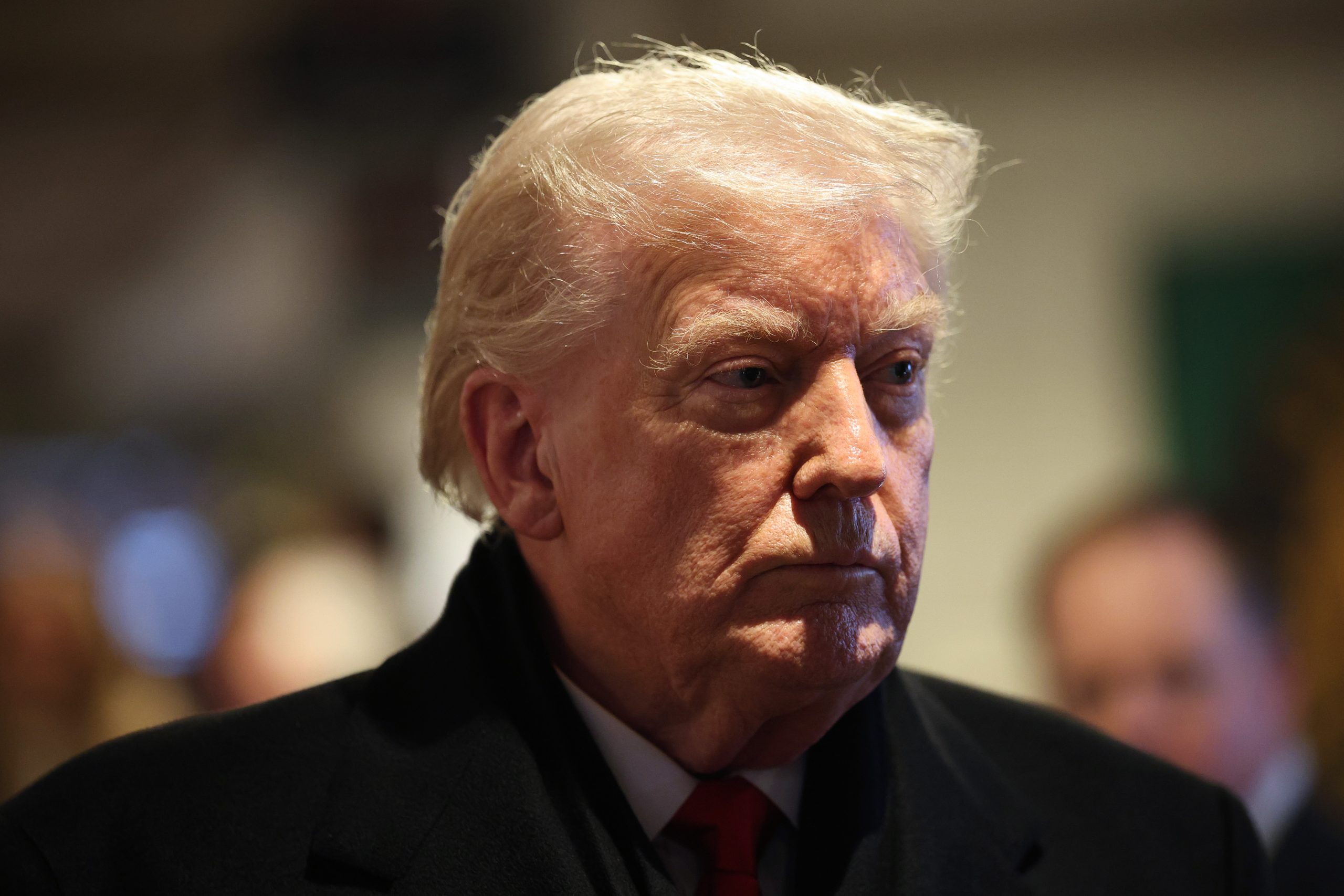
Trump’s Omar Attack: Incendiary Rhetoric After Iowa Incident
Following an unsettling incident involving Representative Ilhan Omar in Iowa, former President Donald Trump has doubled down on his criticism of the Minnesota congresswoman, sparking renewed concerns about the potential consequences of his inflammatory rhetoric. The incident, which saw Omar targeted with an unknown liquid sprayed from a syringe at a town hall meeting, has been followed by Trump’s accusations, further inflaming an already tense political climate.
The Iowa Incident and Trump’s Response
The incident occurred at a town hall in Iowa where a man sprayed an unknown liquid on Rep. Omar with a syringe. While Omar was unharmed and continued with the event, the event itself triggered alarm, particularly given the backdrop of escalating anti-Somali rhetoric. In response, Trump, rather than condemning the act, told ABC News that Omar was a “fraud” and suggested she may have orchestrated the attack herself. This accusation, delivered with characteristic bluntness, has intensified criticism of Trump’s approach to political discourse.
A History of Targeted Rhetoric
Trump’s recent remarks are not isolated incidents. Over the years, he has repeatedly targeted Omar, a Somali-American who represents Minnesota, with harsh and often personal attacks. This pattern of behavior has led to concerns that Trump’s words could incite violence or embolden those with extremist views. Critics argue that such rhetoric contributes to a climate of fear and division, undermining democratic values and endangering public figures.
Implications for Political Discourse
The ongoing tension between Trump and Omar highlights a broader issue within American politics: the increasing polarization and the weaponization of rhetoric. Trump’s refusal to moderate his tone, even after a potentially dangerous incident, raises questions about the responsibility of political leaders to foster a more civil and respectful dialogue. The long-term effects of such divisive language could further erode trust in institutions and exacerbate social divisions.
Conclusion
The incident involving Rep. Omar and Trump’s subsequent remarks serve as a stark reminder of the challenges facing American democracy. As political leaders navigate a complex and rapidly changing landscape, it is crucial that they prioritize responsible communication and condemn all forms of violence and intimidation. The future of American politics depends on the ability to bridge divides and engage in constructive dialogue, even amidst deep disagreements.
Based on materials: Vox



