
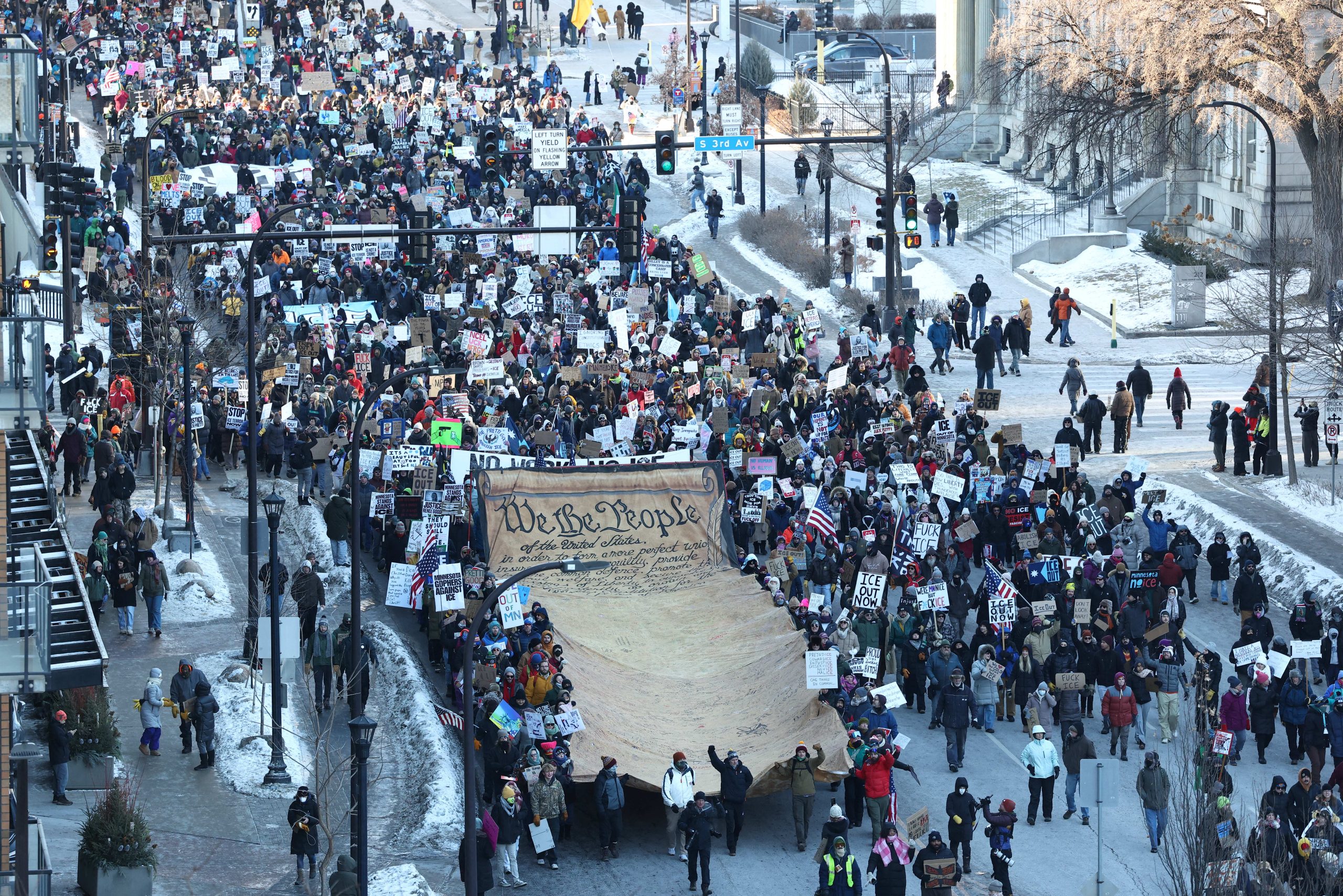
Minneapolis is emerging as a key battleground in the ongoing resistance against Trump administration policies, but the form this resistance takes is evolving beyond traditional protest movements. While immigration enforcement operations continue in Minnesota, a wave of anti-ICE demonstrations has swept the city and the nation, from the streets of Los Angeles to the small towns of Maine. However, in the Twin Cities, something different is brewing: a decentralized, community-focused approach that some are calling “neighborism” or “direct action.”
Beyond Traditional Protests: A New Model
This new model of resistance differs significantly from the large-scale, anti-government protests that characterized Trump’s first term. Instead of centralized leadership and structured organization, the Minneapolis movement emphasizes grassroots activism and direct engagement with affected communities. One organizer described it as “unorganized-organized,” highlighting its fluid and adaptable nature. This approach allows for greater flexibility and responsiveness to local needs, fostering a sense of collective ownership and responsibility.
“Neighborism” in Action: Community-Based Resistance
“Neighborism” focuses on providing direct support and resources to immigrants and other vulnerable populations. This includes organizing legal aid clinics, providing sanctuary, and raising awareness about immigration policies. By focusing on practical assistance and community building, these efforts aim to create a safety net for those targeted by the Trump administration. This approach seeks to challenge not just the policies themselves, but also the underlying narratives that fuel them. The focus is on building solidarity and fostering empathy within the community.
Expert Analysis: Theda Skocpol Weighs In
To understand the implications of this new model, Vox spoke with Harvard University’s Theda Skocpol, a leading expert on political organizing. Skocpol’s insights shed light on the potential of “neighborism” to create lasting change. She emphasizes the importance of local engagement and the power of collective action at the community level. While traditional protests can raise awareness and exert pressure on policymakers, community-based resistance can have a more immediate and tangible impact on people’s lives.
Conclusion: The Future of Resistance
The “neighborism” movement in Minneapolis represents a significant shift in the landscape of anti-Trump resistance. By focusing on direct action, community support, and decentralized organizing, it offers a powerful alternative to traditional protest models. While the long-term impact of this approach remains to be seen, it signals a growing trend towards localized, community-driven activism that has the potential to reshape the future of political engagement. This grassroots approach may prove more resilient and effective in challenging policies and building a more just and equitable society.
Based on materials: Vox



