Turning Threat to Treasure: Can Invasive Species Save the Planet (and Make a Profit)?
The fight against invasive species is typically framed as a costly battle, requiring significant resources to eradicate or control populations that threaten native ecosystems. But what if we could turn the tables, transforming these ecological liabilities into economic assets? That’s the premise behind a growing movement of entrepreneurs and venture capitalists who are betting on the idea that conservation and profit can go hand in hand.
From Lionfish Leather to Python Purses: The Rise of “Invasive Chic”
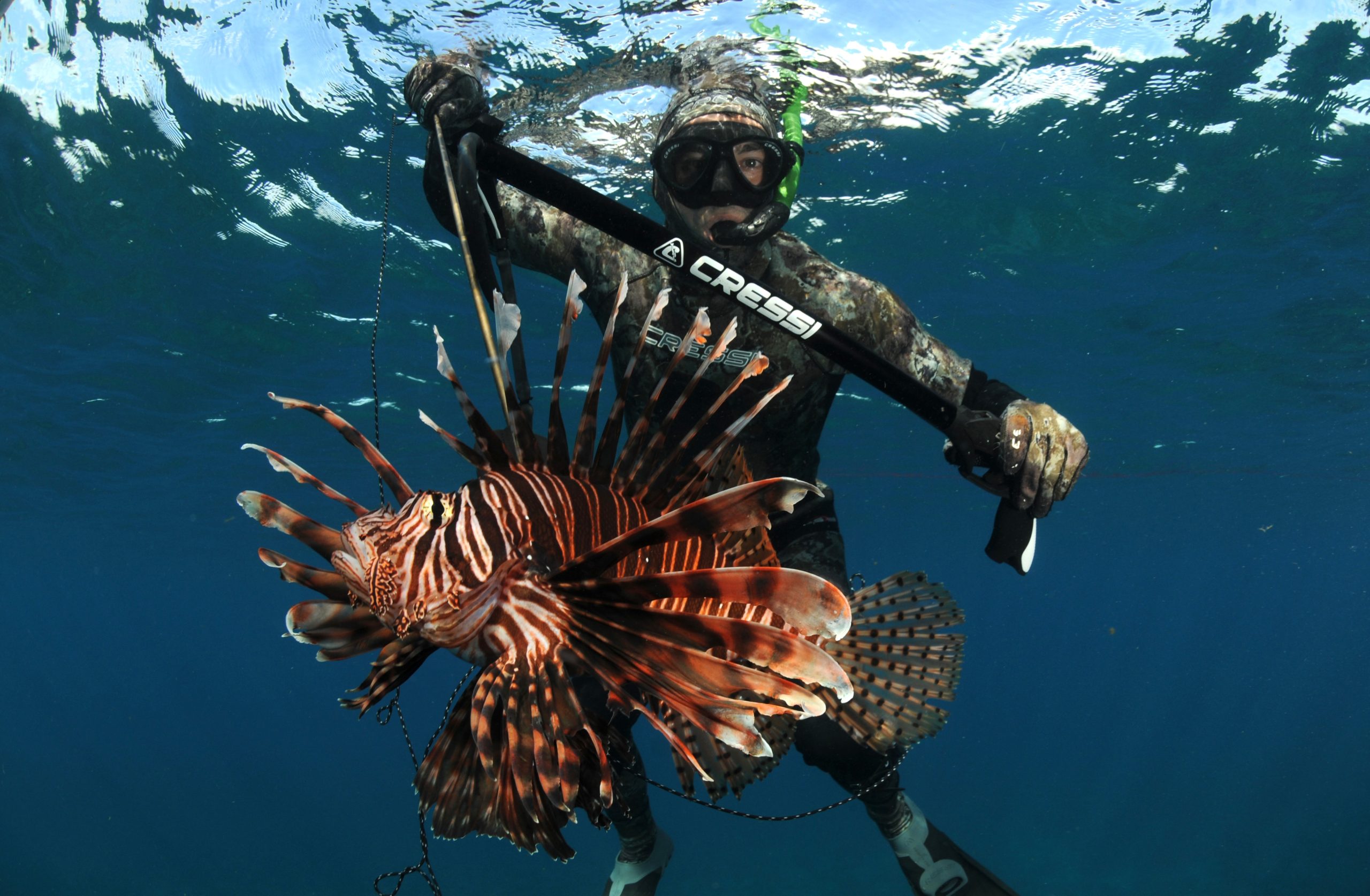
One compelling example is Inversa, a Miami-based startup that’s making waves by crafting luxury leather goods from invasive species. Forget traditional cowhide; Inversa is sourcing its materials from Burmese pythons, lionfish, and iguanas – all notorious invaders wreaking havoc on Florida’s delicate ecosystems. Grundéns, a clothing and gear company, is already selling flip-flops with lionfish leather, signaling a potential shift in consumer attitudes towards sustainable and ethical sourcing.
The concept is elegantly simple: create a market for invasive species, thereby incentivizing their removal and reducing their impact on native flora and fauna. Divers and hunters are paid to harvest these animals, providing them with a new source of income while simultaneously contributing to ecosystem restoration. The materials are then processed into high-end products, appealing to environmentally conscious consumers willing to pay a premium for unique and sustainable goods.
A Win-Win Scenario or Greenwashing Hype?
While the concept of “invasive chic” holds immense promise, critical questions remain. Can the demand for these products truly scale to a level that makes a significant dent in invasive species populations? Are the environmental benefits real, or simply a marketing ploy designed to capitalize on the eco-conscious consumer?
The long-term success of this approach hinges on several factors: ensuring sustainable harvesting practices, minimizing the environmental impact of processing and manufacturing, and maintaining consumer demand. Transparency and rigorous monitoring are crucial to prevent unintended consequences, such as over-harvesting or the introduction of new invasive species to meet market demands.
The Future of Conservation: A Market-Driven Approach?
Despite the challenges, the rise of companies like Inversa suggests a potentially transformative shift in how we approach conservation. By harnessing the power of market forces, we can create economic incentives for environmental stewardship, turning ecological problems into opportunities for innovation and sustainable development. Whether “invasive chic” becomes a mainstream trend or remains a niche market, it represents a bold and innovative step towards a more sustainable future, proving that sometimes, the best way to protect nature is to profit from it responsibly.
Based on materials: Vox