
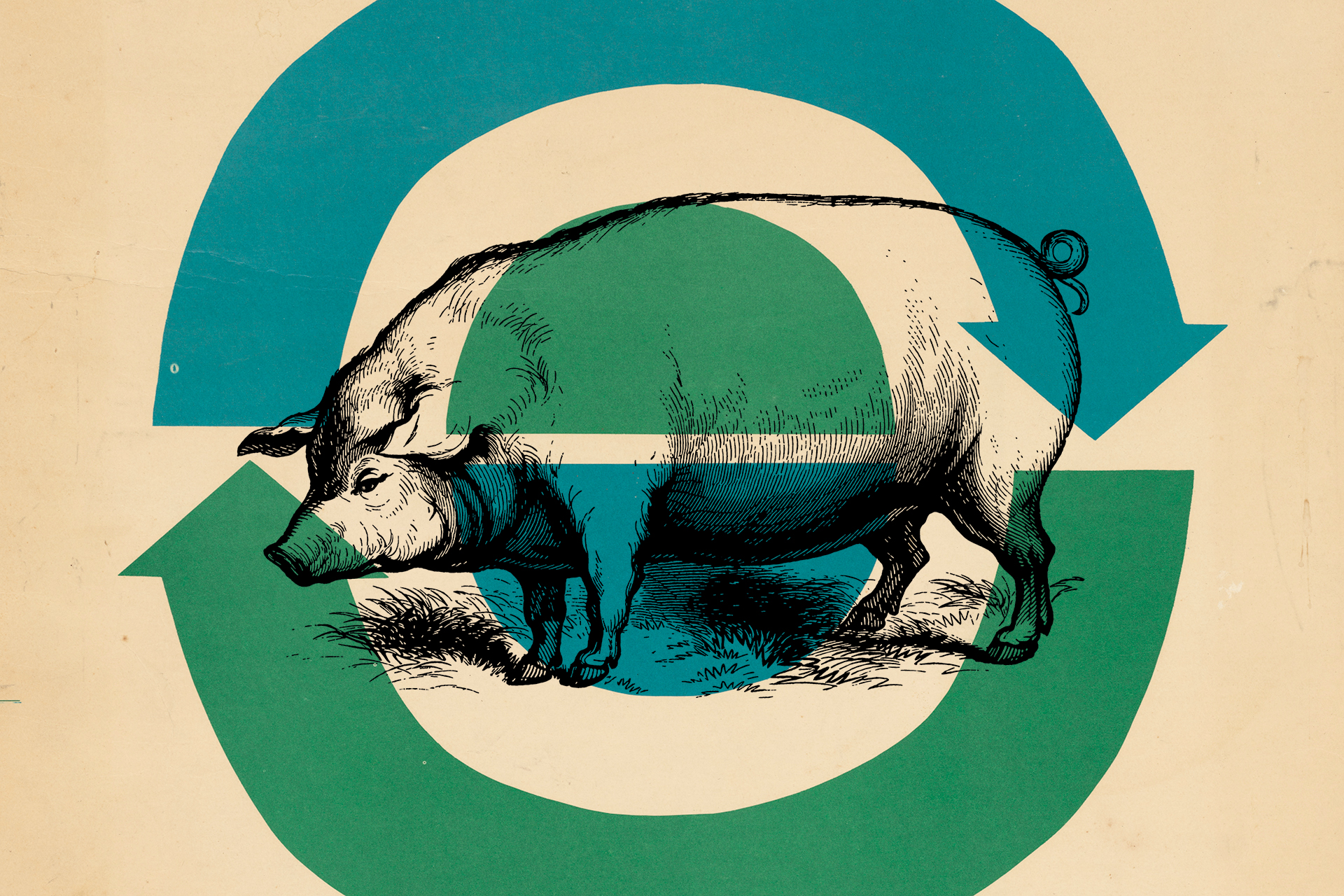
Earth Day: Individual Actions That Truly Impact Climate
Earth Day has arrived once again, prompting the familiar questions: What meaningful actions can individuals take to address the planet’s pressing environmental challenges? The sheer scale of the climate crisis often leads to a sense of powerlessness, with many believing that only governments and large corporations hold the key to solutions. While systemic change is undoubtedly crucial, dismissing the impact of individual actions entirely is a mistake. Some choices we make in our daily lives can, in fact, contribute significantly to a more sustainable future.
Beyond Recycling: Focusing on Food
The common refrain of recycling and reducing plastic consumption, while important, often overshadows other impactful areas. Project Drawdown, a non-profit organization focused on climate solutions, conducted a comprehensive analysis of household actions to minimize carbon footprints. Their findings highlight the surprising power of food-related choices. Reducing food waste and adopting a “plant-rich” diet emerged as top contenders for individual impact.
The sheer volume of food wasted globally is staggering. When food ends up in landfills, it decomposes and releases methane, a potent greenhouse gas far more harmful than carbon dioxide. By consciously planning meals, using leftovers creatively, and composting food scraps, individuals can significantly reduce their contribution to methane emissions.
Furthermore, shifting towards a plant-rich diet, even without completely eliminating meat and dairy, can have a substantial positive effect. Animal agriculture is a major source of greenhouse gases, deforestation, and water pollution. Reducing consumption of meat and dairy products lowers demand, thereby lessening the environmental burden associated with their production.
Rethinking Consumption: Beyond the Obvious
While food waste and dietary choices are key, other less-discussed actions also deserve attention. Consider the environmental impact of fast fashion, for example. The textile industry is notoriously polluting, consuming vast amounts of water and energy while generating significant waste. Choosing durable, ethically sourced clothing and extending the lifespan of garments can make a real difference.
It’s important to remember that individual actions are not a substitute for systemic change. We need strong environmental regulations, corporate accountability, and investments in renewable energy. However, individual choices, when made collectively, can create a powerful ripple effect, influencing markets and driving demand for sustainable products and practices.
The Power of Collective Action
Ultimately, the most impactful thing individuals can do is to combine personal responsibility with advocacy for broader societal change. Support policies that promote renewable energy, sustainable agriculture, and responsible consumption. Engage in conversations with friends, family, and community members to raise awareness and inspire action. By embracing both individual responsibility and collective advocacy, we can amplify our impact and contribute to a more sustainable future for our planet.
SOURCE: Vox
Based on materials: Vox



