
“Yesteryear” Delivers a Hilarious, Painful Dose of Reality to Tradwife Influencer
Caro Claire Burke’s debut novel, “Yesteryear,” has landed with a splash, offering a wickedly funny and thought-provoking look at the “tradwife” phenomenon. The book’s premise is irresistible: Natalie, a Harvard dropout who traded academic pursuits for a life of luxury as a young, wealthy wife and online influencer promoting traditional values, suddenly finds herself transported to 1855. Stripped of her modern conveniences, designer wardrobe, and army of helpers, Natalie is thrust into a world of brutal labor, primitive living, and the stark realities of 19th-century pioneer life.
From Influencer to Outhouse: A Culture Clash of Epic Proportions
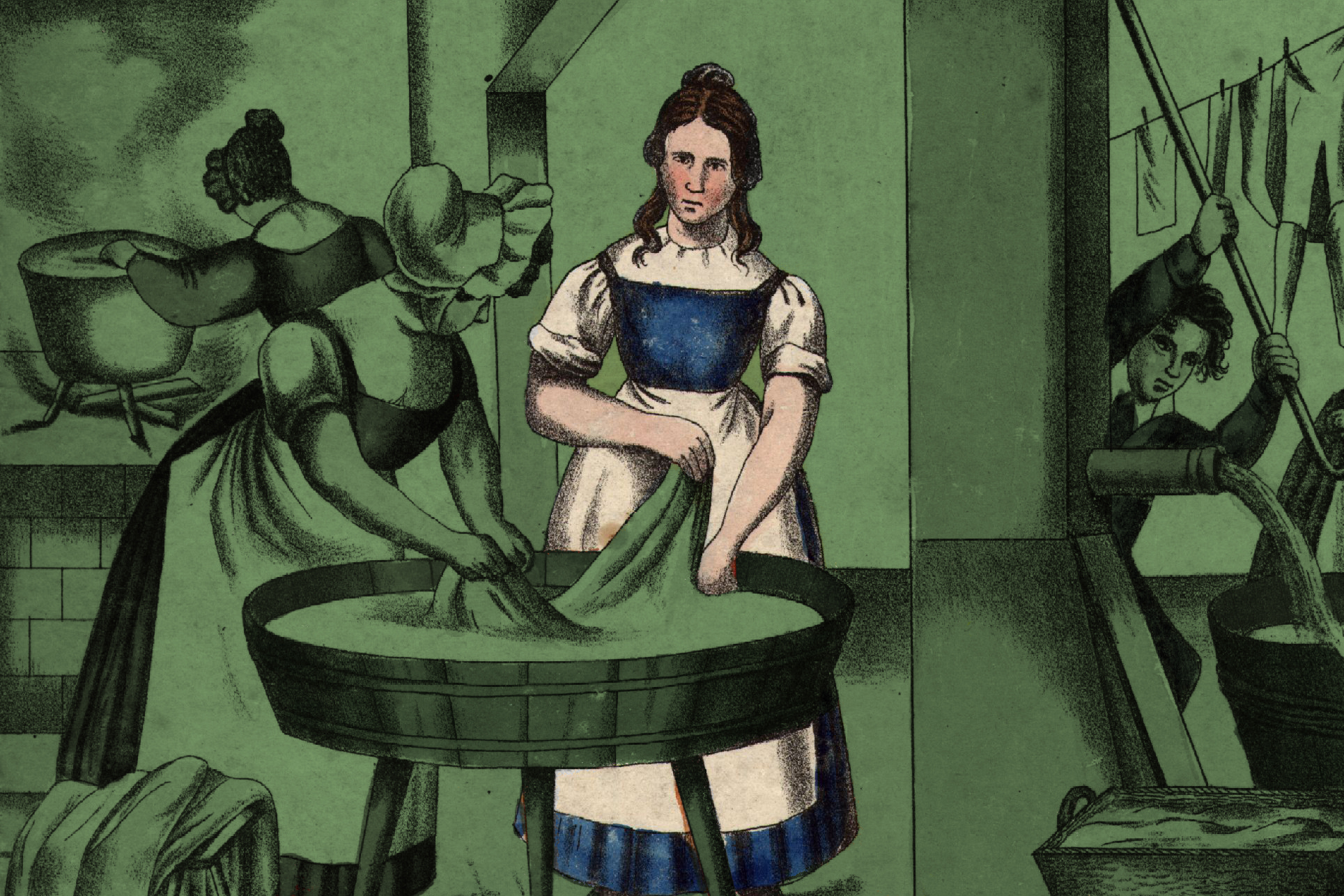
The humor in “Yesteryear” stems from the jarring contrast between Natalie’s curated online persona and the harsh realities she faces. Gone are the tasteful appliances and luxury sweaters; in their place, an outhouse and endless chores involving homemade lye soap. The novel doesn’t shy away from depicting the physical and emotional toll of 19th-century life on a woman accustomed to privilege. Natalie’s initial reaction is, understandably, a lot of crying.
A Bear Trap and Bacon Grease: The Price of Escapism
The narrative takes a darker turn when Natalie attempts to escape her new reality. Her misadventure leads to a painful encounter with a bear trap, resulting in a severely injured leg. The subsequent experience with 19th-century medicine – think bacon grease ointment and anesthetic-free stitches – is a particularly brutal awakening. The excruciating pain serves as a stark reminder of the comforts she previously took for granted, highlighting the often-romanticized vision of the “good old days” peddled by tradwife influencers.
Beyond the Laughs: A Commentary on Modern Values
“Yesteryear” is more than just a fish-out-of-water comedy. It serves as a sharp satire of contemporary values, particularly the longing for a bygone era often divorced from historical realities. Burke uses Natalie’s jarring experiences to expose the privilege and romanticization inherent in the tradwife movement. The novel forces readers to confront the uncomfortable truths about the past and the complexities of modern life, all while delivering plenty of laughs along the way. “Yesteryear” cleverly uses humor to deliver a potent message about the dangers of selective nostalgia and the often-unseen labor behind idealized images of the past.
Based on materials: Vox



