
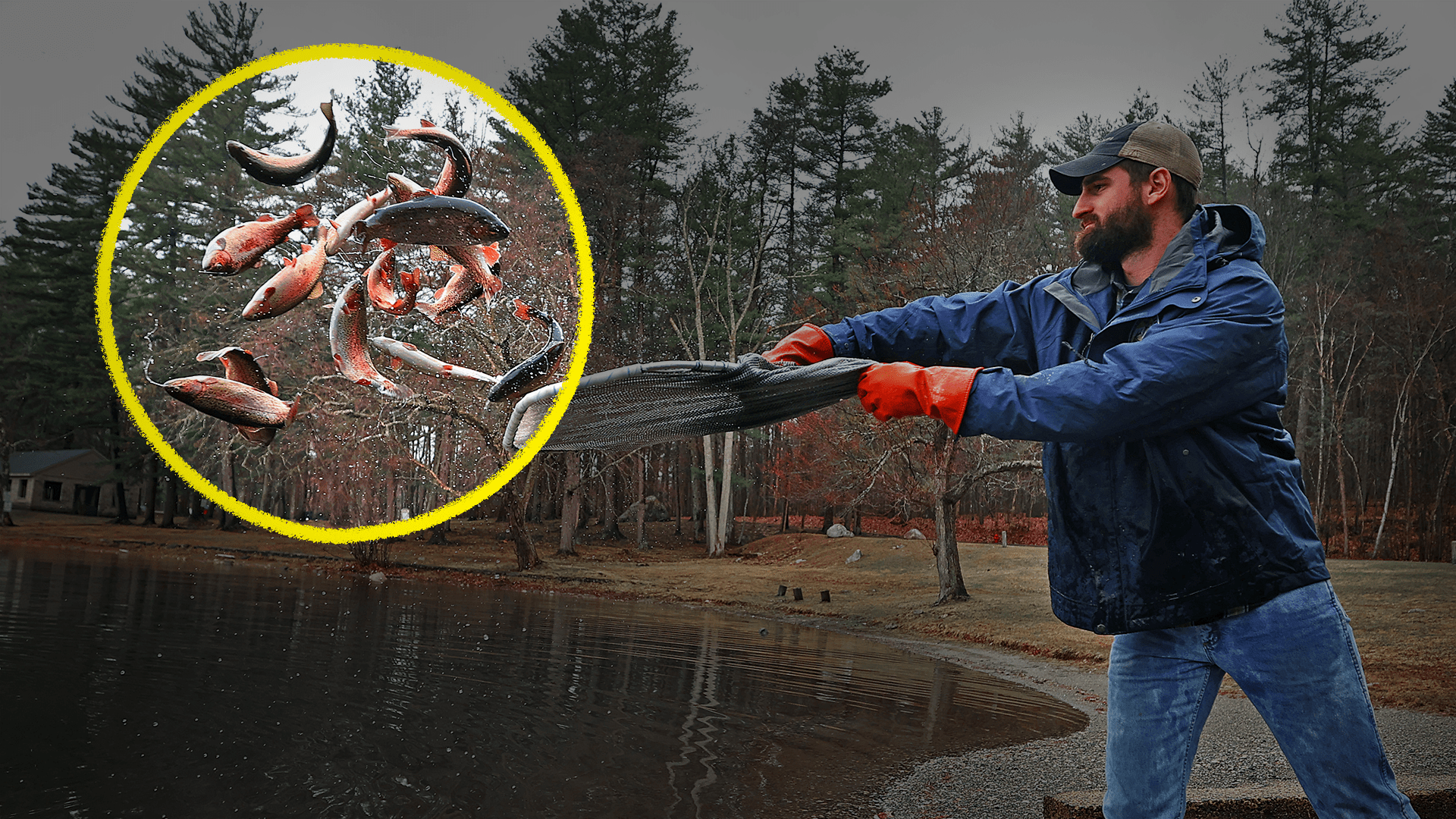
Stocking Up: Why States Release Millions of Non-Native Fish
Across the United States, state and federal wildlife agencies are engaged in a large-scale, annual operation: breeding and releasing millions of fish into the wild. This practice, seemingly beneficial at first glance, aims to bolster fishing opportunities. But a closer look reveals a complex story with potential ecological consequences. Why are these agencies so invested in stocking waterways with fish, even when those fish aren’t native to the environment?
The Declining Native Fish Populations
The primary reason for this widespread fish stocking is the unfortunate decline of native fish populations. Decades of environmental degradation, including the construction of dams that disrupt natural river flows, pollution from industrial and agricultural runoff, and the increasingly concerning rise in water temperatures due to climate change, have all contributed to the decline. Many ecosystems simply cannot sustain the robust fish populations they once harbored.
Releasing fish, such as rainbow trout (native to the West Coast) and brown trout (originating from Europe, Asia, and Northern Africa) in states like Connecticut, is seen as a way to compensate for these losses. These fish are popular among anglers, and their presence can support recreational fishing industries.
The Risks of Non-Native Introductions
However, introducing non-native species, even with the best intentions, can carry significant risks. While state agencies implement preventative measures and monitoring systems, the potential for ecological disruption remains. Non-native fish can compete with native species for food and habitat, sometimes outcompeting them. They can also introduce new diseases or parasites to which native fish have no immunity. The long-term consequences of these introductions can be difficult to predict and potentially devastating to the overall ecosystem health.
The practice highlights a difficult balancing act: the desire to provide recreational opportunities and economic benefits versus the need to protect the integrity of natural ecosystems. The reliance on non-native stocking also raises questions about the effectiveness of addressing the underlying causes of native fish decline, such as pollution and habitat destruction.
A Complex Solution with Unclear Long-Term Effects
The annual release of millions of fish into American waterways is a complex issue with both benefits and drawbacks. While it provides immediate recreational opportunities and supports local economies, the long-term ecological consequences of introducing non-native species remain a concern. A more sustainable approach would prioritize restoring native habitats, reducing pollution, and mitigating the effects of climate change to support the recovery of native fish populations and create healthier, more resilient ecosystems.
SOURCE INFORMATION:
TITLE: Why are states unleashing millions of these fish?
DESCRIPTION: Every year, federal and state wildlife agencies in the US breed millions of fish and release them into the wild, all for fishers to catch. They do this because many ecosystems no longer support the thriving fish populations they once did, due to dams, pollution, and rising water temperatures. But there’s a catch. In many […]
CONTENT: Every year, federal and state wildlife agencies in the US breed millions of fish and release them into the wild, all for fishers to catch. They do this because many ecosystems no longer support the thriving fish populations they once did, due to dams, pollution, and rising water temperatures. But there’s a catch. In many cases, the fish that are being released aren’t native to these ecosystems. In Connecticut, where this video was filmed, the Department of Energy and Environmental Protection (DEEP) breeds and releases rainbow trout — from the West Coast — and brown trout, from Europe, Asia, and Northern Africa. Of course, states aren’t just throwing fish into the water at random. There are many preventative measures and monitoring systems in place to protect local ecosystems from the dangers of non-native species. But things can still go wrong. Introducing non-native fish can wreak havoc on an ecosystem. So why are state wildlife agencies doing it by the million?&
SOURCE: Vox
Based on materials: Vox



