
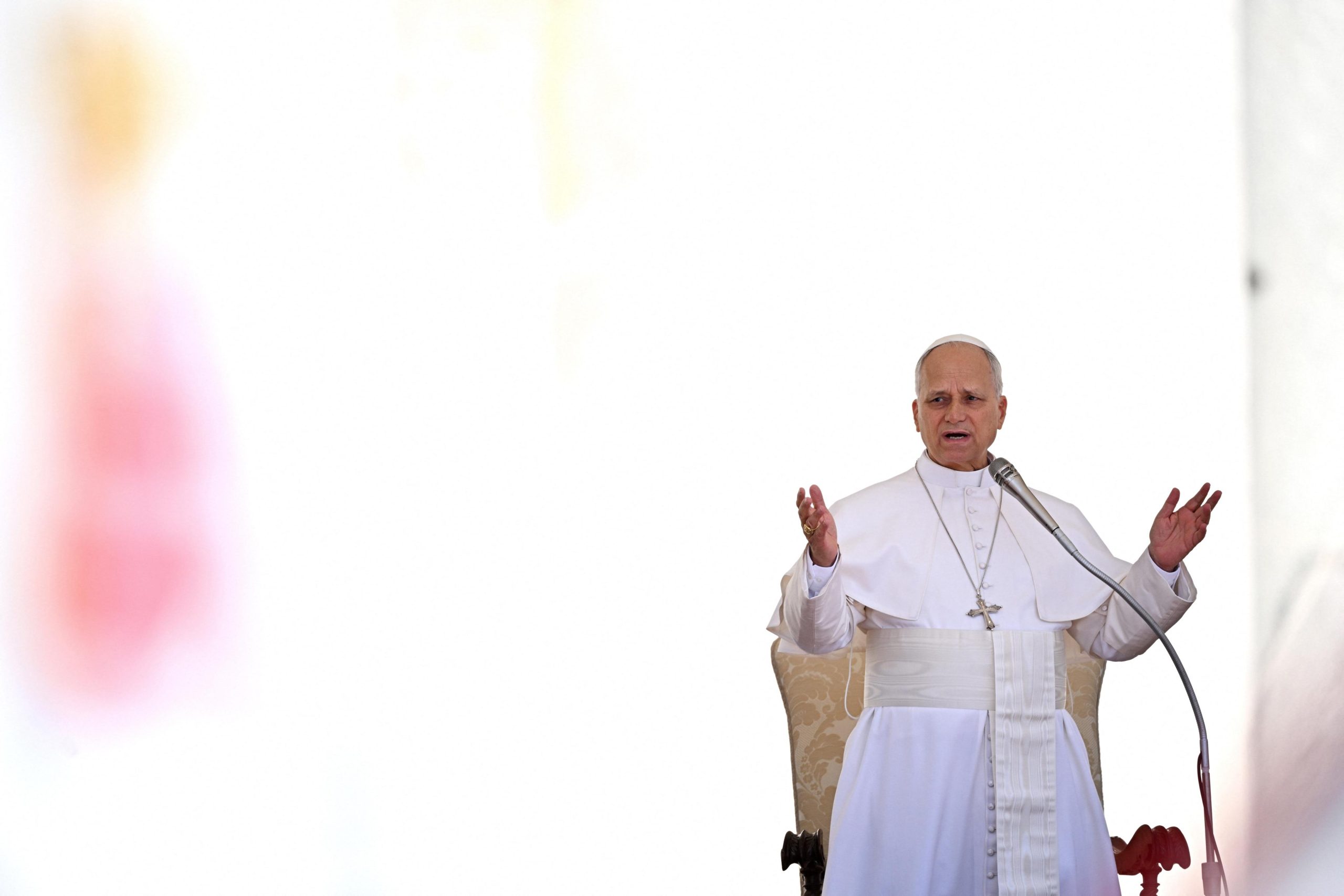
Pope Leo XIV Calls for Ethical AI Development in New Encyclical
The Vatican has officially entered the global conversation surrounding artificial intelligence, with Pope Leo XIV releasing his first encyclical, “Magnifica humanitas” (“Magnificent Humanity”), this week. The document addresses the rapidly evolving technology and its potential impact on society, urging caution and emphasizing the need for ethical guidelines. While not condemning AI outright, the Pope’s message is a clear call for a more deliberate and morally conscious approach to its development and implementation.
Slowing the Pace for Moral Considerations
The core argument of “Magnifica humanitas” is that AI, while not inherently immoral, requires careful consideration and the establishment of “moral guardrails.” Pope Leo XIV suggests slowing the current pace of AI adoption to allow societies to adapt and mitigate potential risks. These risks include economic disruption, job displacement, and the concentration of power in the hands of a few tech giants. The encyclical emphasizes the importance of building robust social safety nets to support those affected by these changes.
Democracy and the Future of AI Governance
A key concern raised in the encyclical is the need for democratic processes to govern the development and deployment of AI. Pope Leo XIV cautions against allowing a small group of “tech oligarchs” to control the future of this powerful technology. He argues that the public must have a voice in shaping the direction of AI development to ensure it serves the common good and aligns with human values. This call for democratic oversight highlights the potential for AI to exacerbate existing inequalities and the importance of inclusive decision-making.
Beyond “Intelligence”: Recognizing Human Uniqueness
The encyclical also challenges the very notion of “artificial intelligence,” arguing that true intelligence is a uniquely human attribute. This assertion underscores the importance of preserving human dignity and recognizing the inherent value of human intellect and creativity in an age where machines are increasingly capable of performing tasks previously thought to require human intelligence. The Pope’s message serves as a reminder that AI should be used to augment human capabilities, not replace them entirely.
In conclusion, Pope Leo XIV’s “Magnifica humanitas” is a significant contribution to the ongoing debate about the ethical implications of artificial intelligence. By calling for moral guardrails, democratic governance, and a recognition of human uniqueness, the encyclical provides a framework for responsible AI development that prioritizes human well-being and the common good. It remains to be seen how this message will resonate with policymakers, tech leaders, and the public, but it undoubtedly adds a powerful voice to the global conversation about the future of AI.
Based on materials: Vox



