
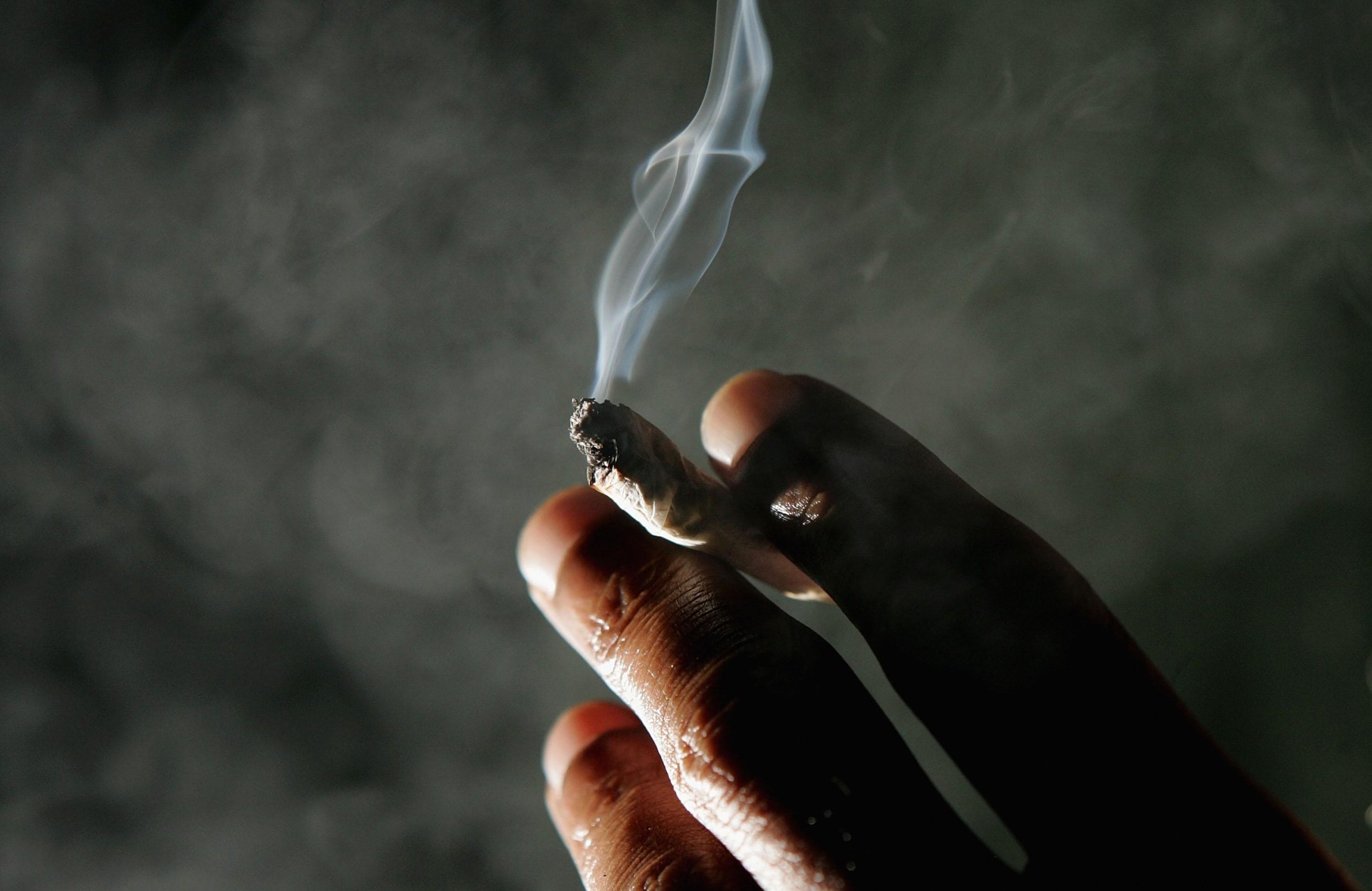
The Supreme Court has delivered a significant ruling that could reshape the landscape of gun ownership for individuals who use marijuana, even in states where it remains illegal federally. In a landmark decision on United States v. Hemani, the nation’s highest court has declared that the federal government cannot broadly prohibit individuals deemed “unlawful users” of marijuana from possessing firearms. This ruling carries substantial implications, potentially impacting a wide array of drug users.
Challenging Broad Federal Prohibitions
At the heart of the case was a federal statute that prohibits individuals who are unlawful users of any “controlled substance” from owning guns. Justice Neil Gorsuch, writing for the majority, articulated a critical assessment of this law’s sweeping nature. He pointed out that the statute, as written, could ensnare individuals whose drug use is relatively benign and does not necessarily indicate a threat to public safety. The opinion highlighted examples such as a spouse who occasionally uses a partner’s prescription sleep aid or a student who uses a friend’s stimulant medication for academic purposes.
The Court’s reasoning suggests a move away from categorical bans based on mere drug use and towards a more nuanced approach that considers the specific nature of the substance and the individual’s circumstances. This interpretation could pave the way for a re-evaluation of how federal gun laws interact with the increasingly complex realities of drug use, particularly as states continue to diverge on marijuana policy.
Implications for Drug Users and Future Litigation
The Hemani decision is likely to reverberate beyond just marijuana users. By questioning the broad scope of the federal statute, the Supreme Court has opened the door for further legal challenges from individuals who use other substances, including prescription medications, without evidence of a propensity for violence. This could lead to a wave of litigation aimed at clarifying which types of drug use, if any, can reasonably justify a firearm prohibition under federal law.
Legal analysts suggest that future cases may focus on whether a user’s conduct demonstrates a danger to themselves or others, rather than simply their status as a user of a controlled substance. This could require the government to present more specific evidence of risk to deny firearm possession, shifting the burden of proof and potentially benefiting a broader group of individuals previously subject to outright bans. The ruling underscores the evolving legal interpretations of gun rights in light of changing societal norms and scientific understanding of various substances.
A Shifting Legal Terrain
The Supreme Court’s decision in
United States v. Hemani
marks a pivotal moment in the intersection of drug policy and gun rights. While the immediate impact is on marijuana users, the underlying principle of scrutinizing broad federal prohibitions could lead to significant legal shifts for other drug users as well. As the nation continues to grapple with diverse approaches to drug regulation and gun control, this ruling provides a crucial legal precedent that emphasizes a more individualized and context-specific assessment of firearm eligibility. The full ramifications of this decision will likely unfold in subsequent court cases and legislative debates.
Based on materials: Vox



