
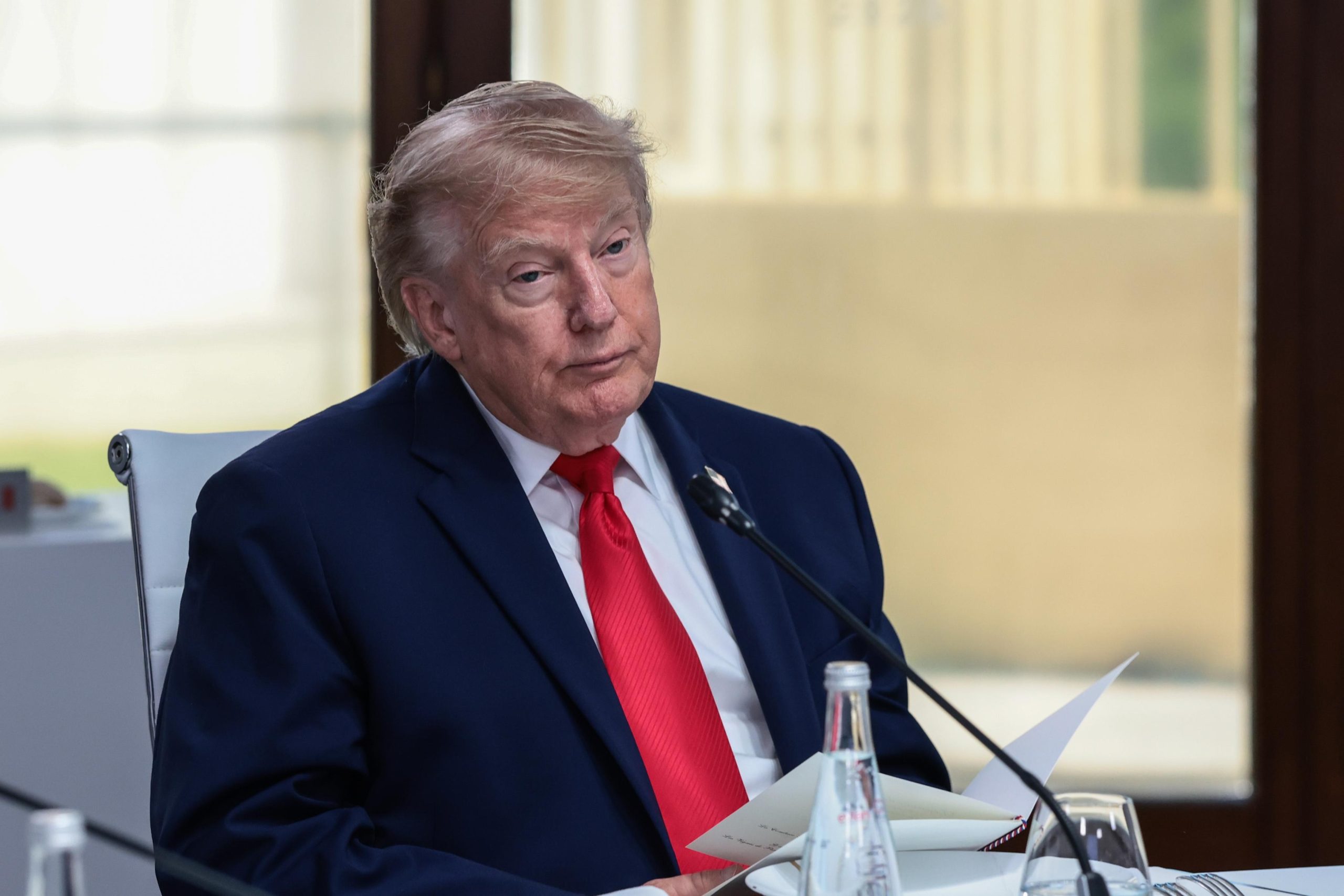
The intricacies of the recently announced deal between the United States and Iran are beginning to surface, and the initial reception from observers is far from celebratory. Following President Trump’s broad announcement of a peace agreement, the specific terms of the memorandum of understanding (MOU) have been gradually revealed through media outlets, shedding light on the 14-point framework designed to de-escalate immediate conflicts and pave the way for future nuclear program discussions.
Navigating a Complex Framework
The released text, though relatively concise, attempts to address a range of pressing issues. Notably, the agreement seeks to bring an end to immediate hostilities across multiple fronts, including a critical focus on Lebanon. However, this particular aspect has already drawn concern, with some analysts predicting it could prove to be an enduring challenge. The MOU outlines a process for ongoing negotiations concerning Iran’s nuclear ambitions, a core point of contention that has long defined the complex relationship between the two nations. The United States, as a key signatory, faces the delicate task of balancing its stated objectives with the realities of regional geopolitics and Iran’s long-standing positions.
Early Reactions and Lingering Questions
The early reviews of the deal’s substance are largely negative, underscoring a significant gap between the administration’s initial pronouncements and the detailed provisions. Critics are pointing to the ambiguity surrounding several key clauses and the potential for unintended consequences. The lack of specific enforcement mechanisms and the reliance on future negotiations for critical aspects of the agreement have raised red flags. Furthermore, the inclusion of Lebanon in the de-escalation efforts, without clear mechanisms for its long-term stability, suggests a potential for continued instability in the region. The success of this deal hinges not only on the goodwill of the signatories but also on the ability to translate these broad strokes into tangible, lasting peace.
The Path Forward: Negotiations and Scrutiny
As the details of the MOU continue to be dissected, the focus will inevitably shift to the implementation phase and the ensuing negotiations. The coming months will be crucial in determining whether this agreement can achieve its stated goals or if it will become another chapter in the protracted and often fraught diplomatic history between the United States and Iran. The international community will be watching closely, scrutinizing every step and demanding transparency as the delicate process of nuclear talks and regional de-escalation unfolds. The “art of the deal,” as applied to this sensitive geopolitical landscape, faces its most significant test.
Based on materials: Vox



