
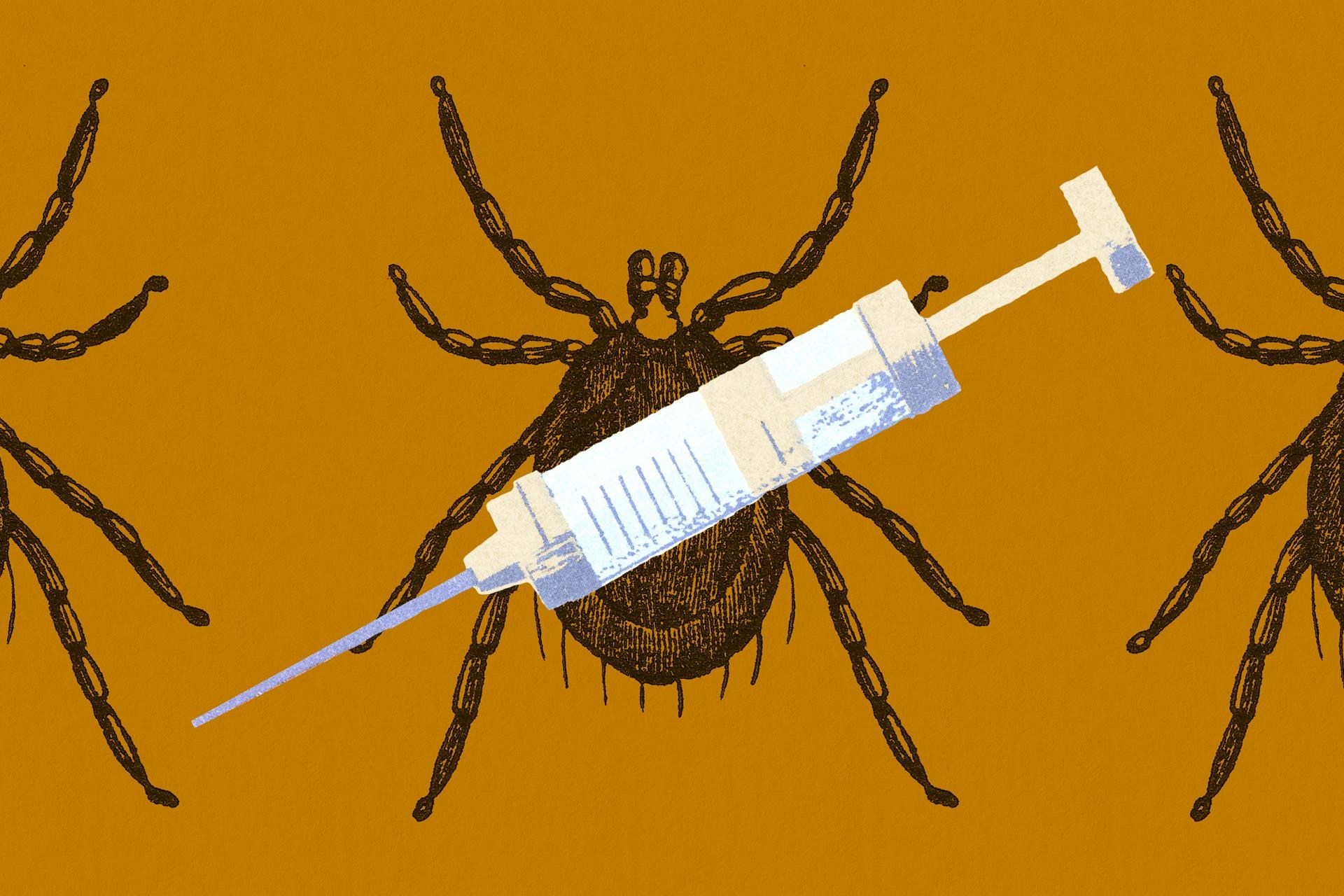
Ticks, those minuscule arachnids, pose a significant and growing threat to public health across America. Their silent, insidious nature allows them to transmit debilitating diseases, most notably Lyme disease, often before their presence is even detected. The realization that a stealthy attack has occurred dawns weeks or months later, as the harrowing symptoms of Lyme disease begin to manifest.
The concern surrounding ticks is escalating for several reasons. Their geographical reach is expanding, encroaching on urban environments and establishing themselves in previously unaffected regions of the United States. Beyond Lyme disease, tick bites are now linked to other serious health issues, such as alpha-gal syndrome. This condition, triggered by tick bites, induces severe allergies to red meat, prompting urgent attention from public health officials.
The Expanding Reach of Tick-Borne Illnesses
The numbers are stark: an estimated half a million individuals contract Lyme disease annually in the U.S., and projections indicate this figure will continue to climb. This year’s tick season has been particularly aggressive, with early reports indicating a surge in tick bites leading to illness. This expansion isn’t just a matter of increased awareness; it reflects real environmental changes that favor tick populations and their parasitic behavior. Warmer winters, changes in land use, and the migration patterns of wildlife that carry ticks all contribute to this growing public health challenge. The common tick,
Ixodes scapularis
, often referred to as the deer tick or black-legged tick, is the primary vector for Lyme disease, and its adaptability is a key factor in its widespread dissemination.
Strategies for Prevention and Control
Fortunately, the battle against ticks and the diseases they carry is not a losing one. A multi-pronged approach focusing on prevention, public awareness, and innovative control methods offers a path forward. Personal vigilance remains paramount. Understanding tick habitats, such as tall grass, wooded areas, and leaf litter, and taking precautions like wearing protective clothing, using EPA-approved repellents, and conducting thorough tick checks after outdoor activities can significantly reduce the risk of bites.
Beyond individual actions, community-level efforts are crucial. Integrated tick management strategies are gaining traction, involving measures like targeted pesticide applications in high-risk areas, the management of wildlife populations that host ticks, and public education campaigns. Researchers are also exploring novel approaches, including the development of new repellents, vaccines against tick-borne pathogens, and even biological control methods that target tick life cycles. The fight against ticks requires a concerted effort from individuals, communities, and scientific researchers to mitigate their impact and protect public health.
A Call to Action for a Healthier Future
The proliferation of ticks and the diseases they transmit present a complex ecological and public health puzzle. However, by combining scientific understanding with practical preventative measures and a commitment to ongoing research, we can effectively combat this persistent threat. Empowering individuals with knowledge about tick behavior and protection, alongside the implementation of robust public health initiatives, will be key to turning the tide. The growing prevalence of Lyme disease and other tick-borne illnesses demands our attention, but with a proactive and informed approach, we can work towards a future where the risk posed by these tiny adversaries is significantly diminished.
SOURCE INFORMATION:
TITLE: Ticks are spreading Lyme disease across America, but we can beat them. Here’s how.
DESCRIPTION: Ticks are one of humanity’s most dastardly adversaries: tiny, at times nigh-invisible arthropods that burrow into your skin, leech your blood, and sometimes transfer debilitating disease before they vanish, without you ever knowing they were there. It can be only months or weeks later, when Lyme disease’s harrowing symptoms begin to take hold, that you […]
CONTENT: Ticks are one of humanity’s most dastardly adversaries: tiny, at times nigh-invisible arthropods that burrow into your skin, leech your blood, and sometimes transfer debilitating disease before they vanish, without you ever knowing they were there. It can be only months or weeks later, when Lyme disease’s harrowing symptoms begin to take hold, that you realize the stealth attack even occurred. These days, it seems like there are more reasons than ever to fear ticks. Their range is spreading into cities and entirely new geographic regions in the US. Their arsenal extends beyond Lyme disease: alpha-gal syndrome, a condition caused by tick bites that creates alarming allergies to meat, has become a serious concern for public health authorities this year. Nearly half a million people are estimated to contract Lyme disease annually — and those numbers will continue growing. This year’s tick season is off to an especially rough start: Tick bites have been sending the residents
SOURCE: Vox
Based on materials: Vox



