
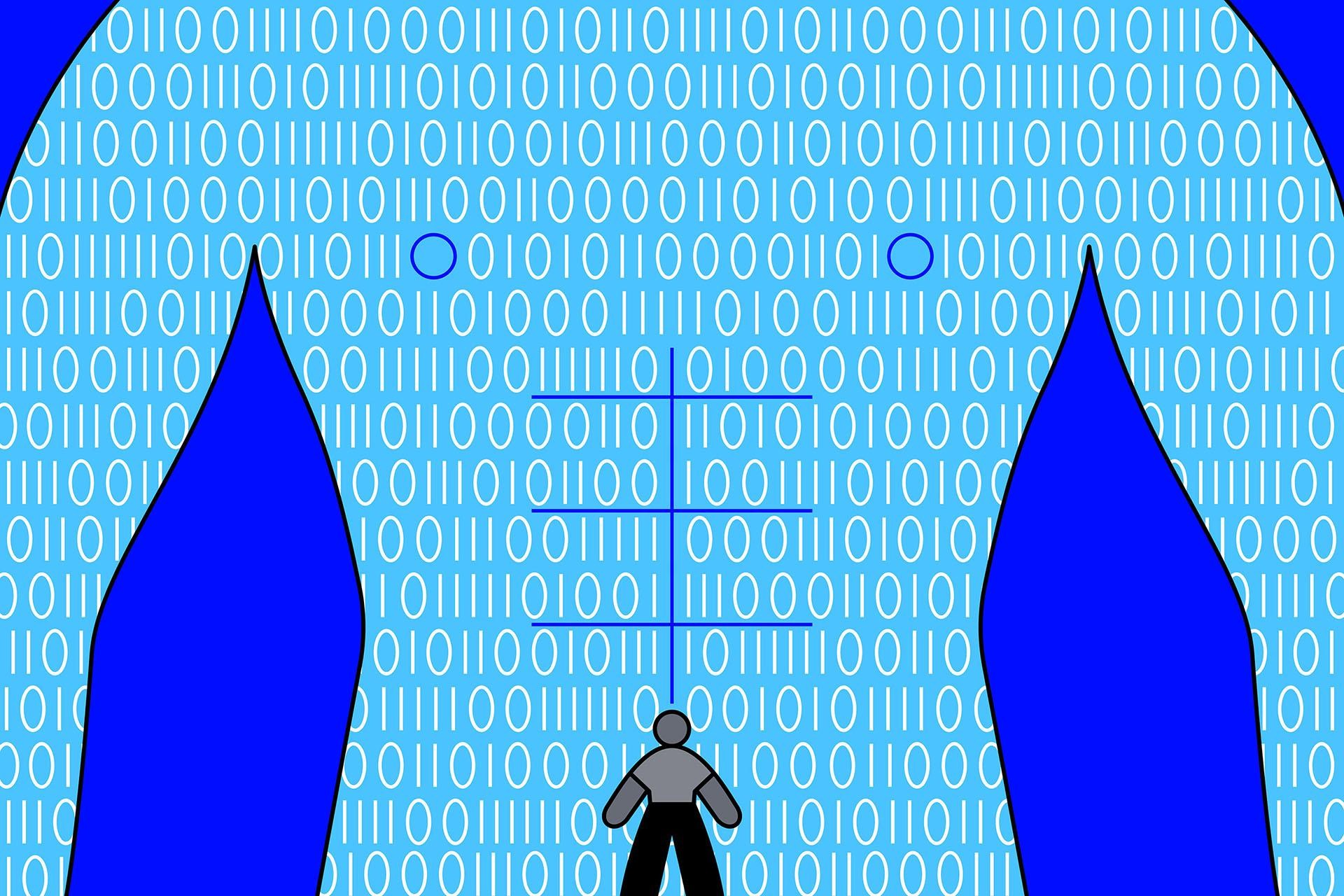
In the ever-evolving digital landscape, a new phenomenon is captivating audiences, particularly within the gay male community: AI-generated “thirst traps.” These hyper-realistic, often scantily clad digital creations are amassing significant followings, raising questions about our attraction to manufactured perfection and the future of online personas.
One such digital influencer, Derek Lam, has garnered tens of thousands of followers across platforms like TikTok and X. His content features shirtless dancing and a consistent aesthetic that has drawn a deluge of complimentary comments in multiple languages, with admirers praising his perceived beauty and sensuality. Phrases like “beautiful,” “hombre bello y sensual,” and superlatives such as “this might be the finest man on the internet” flood his comment sections, often accompanied by a flurry of heart and laughing emojis. This enthusiastic reception suggests a powerful draw to the idealized image presented, a draw so strong that Lam is reportedly leveraging it to sell “exclusive,” adult-oriented content.
The Uncanny Valley of Attraction
What makes these AI-generated figures so compelling? While their physical attractiveness is undeniable, a closer look reveals subtle cues that hint at their artificial nature. Derek Lam, for instance, never speaks in his videos, which are notably brief, lasting only a few seconds. This lack of verbal interaction and limited behavioral range are tell-tale signs that distinguish him from a flesh-and-blood influencer. The “uncanny valley” effect, where something appears almost human but not quite, may be at play, creating a unique form of fascination. The absence of perceived flaws or the unpredictable nature of human behavior might contribute to their appeal, offering a curated and controllable form of digital companionship or aesthetic pleasure.
Implications for Online Identity and Commerce
The rise of AI influencers like Derek Lam has significant implications for how we perceive online identity and engage in digital commerce. The ability to create seemingly perfect individuals without the constraints of human limitations – such as aging, personal scandals, or the need for rest – offers a new frontier for content creation and marketing. The fact that these digital personas can generate substantial engagement and revenue suggests a shift in how audiences connect with online content. This trend could pave the way for new forms of celebrity, advertising, and even virtual relationships, blurring the lines between the real and the simulated. As AI technology continues to advance, we can expect to see more sophisticated and convincing digital beings enter the online arena, further challenging our notions of authenticity and connection. The allure of these AI “thirst traps” underscores a complex interplay between technology, human desire, and the ever-evolving nature of online culture.
Based on materials: Vox



