
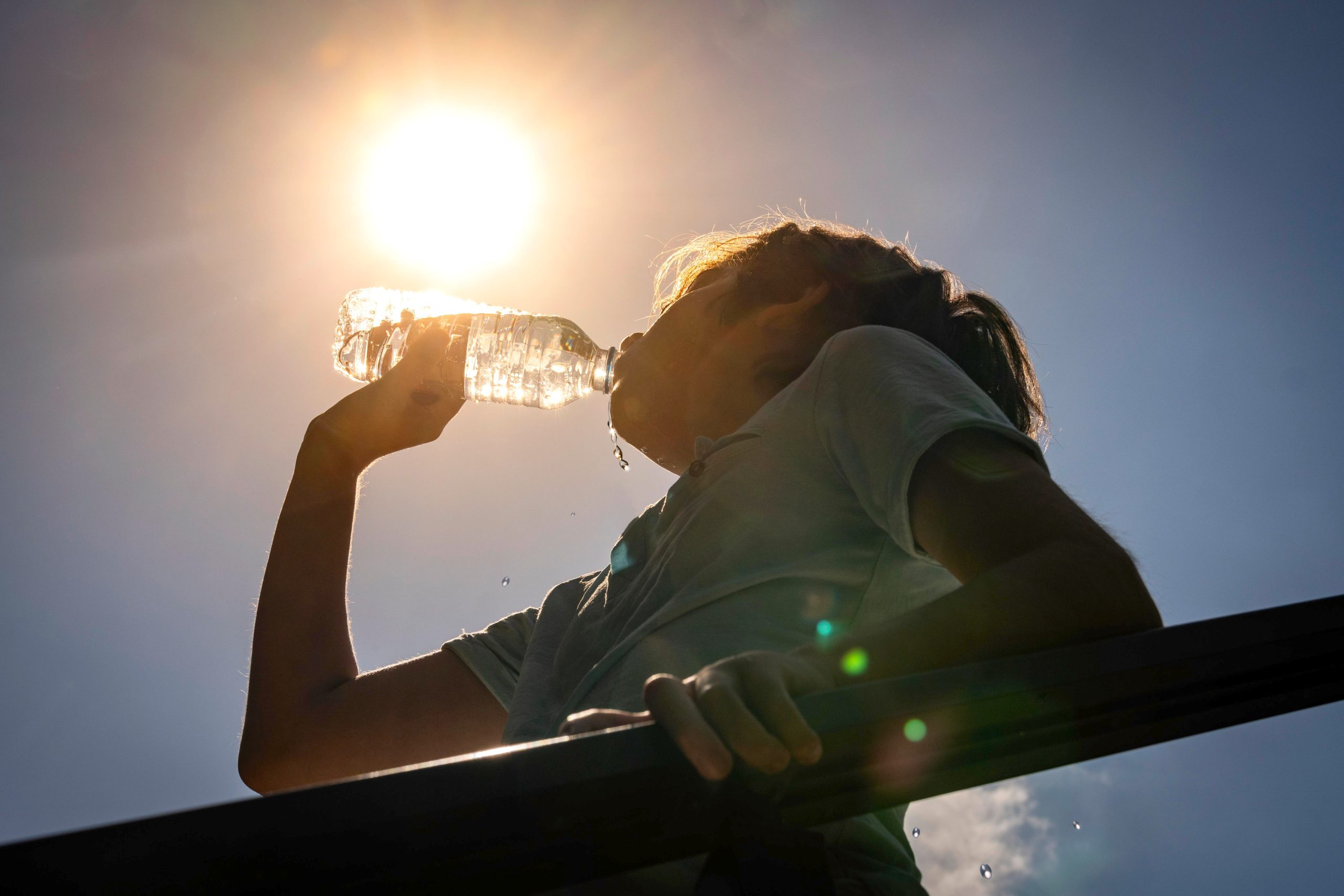
The idyllic image of summer camp—days filled with outdoor exploration and s’mores by the campfire—is facing a significant overhaul. As climate change intensifies, extreme weather events like punishing heat waves and wildfire smoke are forcing summer camps across the nation to rethink their traditional programming, often curtailing the very outdoor experiences they aim to provide.
Shifting Schedules and Sheltering Campers
For many camps, the shift has been abrupt and challenging. Organizers who once prided themselves on maximizing outdoor time are now frequently faced with the necessity of indoor activities. This past summer, a family in New York City saw their child return from a nature-focused camp with a persistent heat rash, a direct consequence of a severe heatwave. Later that season, smoke from Canadian wildfires necessitated a move to an indoor school facility, a stark contrast to the camp’s intended immersive outdoor experience. These incidents are not isolated; camp directors nationwide are grappling with similar disruptions, ranging from program modifications to outright cancellations due to the unpredictable nature of modern summers.
The Impact on Childhood Development
The reduction in outdoor time at summer camps is a growing concern for child development experts. These crucial months offer a unique opportunity for children to engage with nature, develop physical stamina, and foster essential social skills through unstructured play and group activities. When extreme heat or poor air quality forces a retreat indoors, these benefits are diminished. This trend is particularly worrisome as it coincides with a broader societal decline in opportunities for free play and recess in schools, making summer camp an even more vital arena for children’s holistic growth. The ability to adapt and overcome challenges, often learned through navigating outdoor environments, is also being impacted.
Adapting for the Future
Camp administrators are demonstrating resilience and innovation in the face of these environmental shifts. Strategies include adjusting daily schedules to avoid the hottest parts of the day, incorporating more water-based activities, and developing robust indoor programming. However, the underlying challenge remains: how to deliver the enriching outdoor experience that is the hallmark of summer camp while ensuring the safety and well-being of campers in a rapidly changing climate. The long-term sustainability of traditional camp models hinges on their capacity to adapt, finding a balance between embracing nature and respecting its increasingly volatile conditions. The future of summer camp may well be defined by its ability to navigate this new environmental reality.
Based on materials: Vox



