
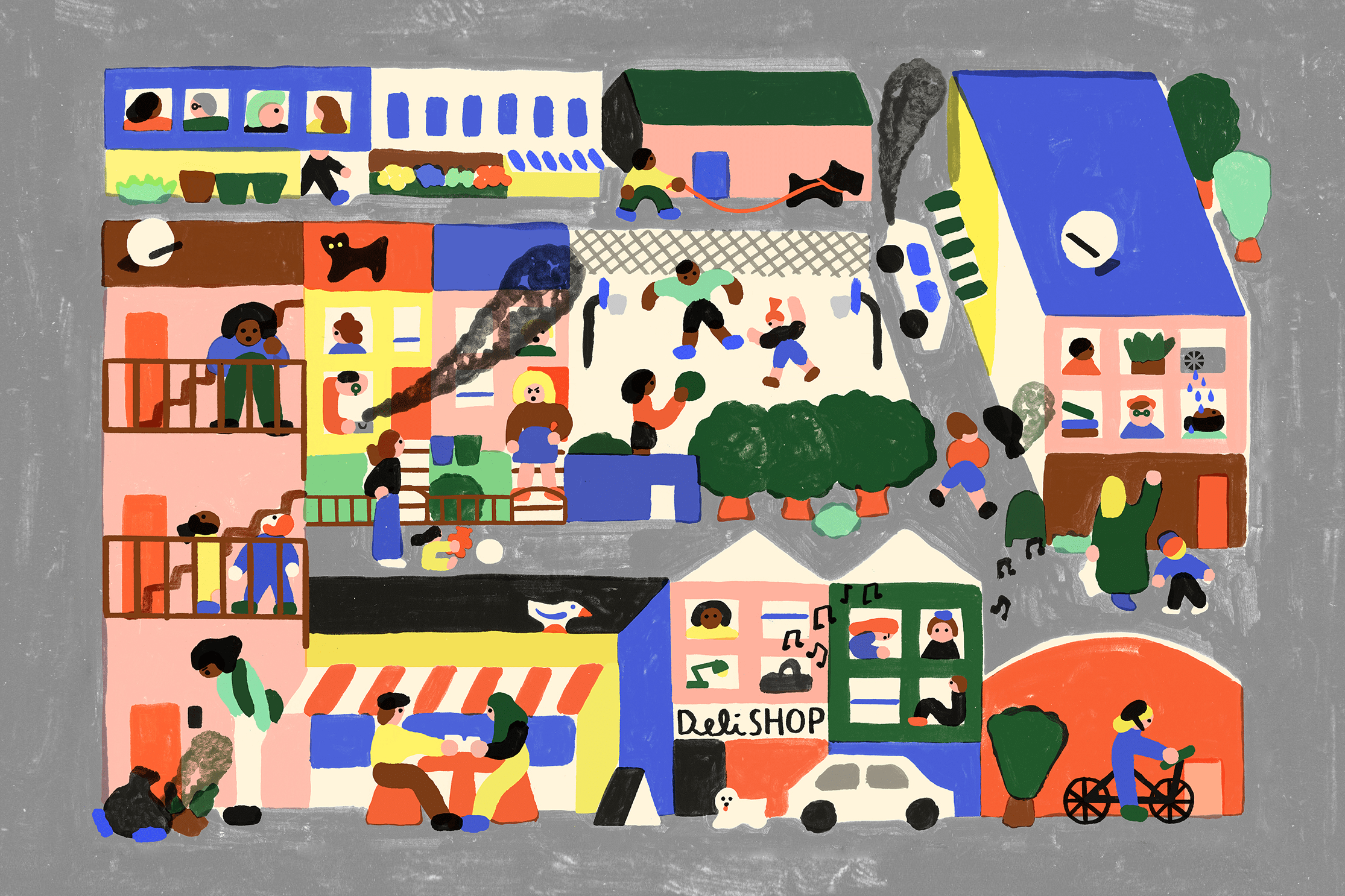
The familiar wave to a passing neighbor might be becoming a relic of the past for many Americans. A recent survey from the Pew Research Center reveals a concerning decline in neighborly connections, highlighting a growing disconnect in communities across the United States. While the concept of community can be broad, the immediate presence of neighbors is a near-universal experience, and the quality of these relationships profoundly impacts our well-being.
The Shrinking Circle of Familiarity
The data paints a stark picture: in 2025, a mere 26 percent of U.S. adults reported knowing all or most of their neighbors. This represents a significant drop from 31 percent in 2018, indicating a steady erosion of casual acquaintance and deeper connection. This trend is particularly poignant as researchers emphasize the critical role these local bonds play in both mental and physical health. Experts consulted by Vox underscore that strong neighborhood ties can bolster resilience, provide informal support networks, and even contribute to a greater sense of safety and belonging.
Trust Remains, But Familiarity Lags
Despite the dip in knowing one’s neighbors, a notable bright spot emerges: trust. A robust 90 percent of adults surveyed expressed trust in some, most, or all of the people residing in their immediate vicinity. This suggests that while active engagement and recognition may be waning, a foundational level of goodwill and confidence in neighbors persists. However, this trust is not evenly distributed. The survey indicates that those most likely to report knowing and trusting their neighbors tend to be older, higher-income white individuals residing in rural or suburban areas, and who regularly participate in religious services. This demographic profile leaves a substantial portion of the population on the fringes of these close-knit connections, raising questions about inclusivity and the broader societal implications of this trend.
Rebuilding Bridges in an Increasingly Isolated World
The findings from the Pew Research Center serve as a critical call to action. As our lives become increasingly digitized and, at times, more isolated, fostering genuine connections with those living closest to us becomes even more vital. This decline in neighborly relationships isn’t just a matter of missed opportunities for casual conversation; it has tangible consequences for individual and collective well-being. Understanding the factors contributing to this disconnect – be it busy schedules, evolving social norms, or urban design – is the first step toward reversing the trend. Initiatives that encourage local engagement, from neighborhood watch programs to community gardens and block parties, could play a crucial role in rebuilding these essential bonds and ensuring that the “people next door” are more than just strangers sharing a property line.
SOURCE: Vox
Based on materials: Vox



