
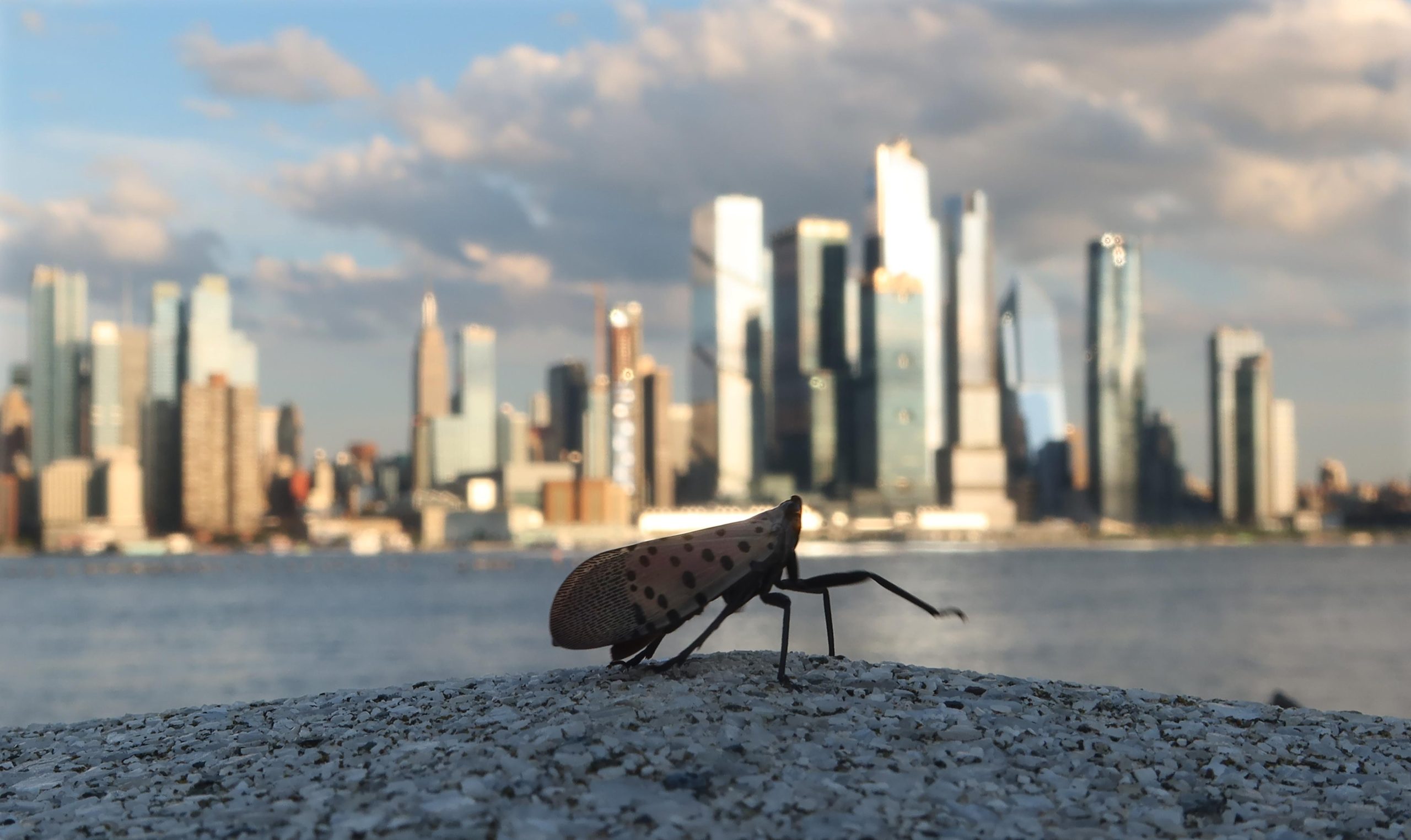
The spotted lanternfly, an iridescent and invasive insect, has become a familiar, and often alarming, sight across many parts of the United States, particularly in urban areas like Brooklyn. With their distinctive spotted wings and flashes of red underneath, these creatures have a striking appearance, but their rapid proliferation signals a significant ecological concern. While the instinct for many is to eliminate them on sight, a recent anecdotal account highlights a growing ambivalence and debate surrounding the best approach to managing this unwelcome arrival.
A Growing Menace and Public Response
Spotted lanternflies (SLF) first gained a significant foothold in the US around 2020 and 2021, and their presence has only intensified since. These insects are not just a nuisance; they pose a serious threat to a wide range of plants, including valuable agricultural crops like grapes, apples, and hops, as well as trees and ornamental plants. They feed by piercing plant stems and branches to suck sap, weakening the plants and making them susceptible to disease. Furthermore, as they feed, they excrete a sticky, sugary substance known as honeydew, which can promote the growth of sooty mold, further damaging plants and creating a mess.
The rapid spread and visible presence of SLF have prompted widespread calls for action from both government agencies and concerned citizens. Many local and state authorities, along with agricultural departments, have issued guidelines and urged the public to kill any spotted lanternflies they encounter. This has led to a collective, albeit sometimes awkward, effort to eradicate the pests, turning everyday walks into impromptu bug-hunting expeditions. The satisfaction of participating in a community-wide effort to combat an invasive species can be a powerful motivator.
Navigating the Ethical and Practical Dilemmas
However, the aggressive eradication campaigns have also sparked a degree of unease and ethical questioning. The act of enthusiastically stomping on insects, even invasive ones, can feel jarring to some. There’s a notable tension between the pragmatic need to protect native ecosystems and agriculture, and the more nuanced feelings about animal welfare and the ecological role of all living creatures. This internal conflict was evident in the anecdote where the author, upon seeing a lanternfly, felt compelled to kill it as per advisement, only to be met with encouragement from a neighbor, yet still wrestled with a sense of “weirdness” about the situation.
Beyond the ethical considerations, practical questions also arise. While individual action is encouraged, the sheer scale of lanternfly infestations can make personal efforts feel like a drop in the ocean. Experts emphasize that while killing individual insects helps, a coordinated approach involving larger-scale control measures, monitoring, and understanding the insect’s life cycle is crucial for long-term management. Furthermore, there’s a growing interest in understanding the broader ecological impacts of not just the lanternfly itself, but also the methods used to control it.
Looking Ahead: Integrated Pest Management and Public Awareness
The spotted lanternfly invasion serves as a stark reminder of the vulnerability of local ecosystems to invasive species. While the immediate reaction of stomping on these bugs is understandable and often encouraged, the situation calls for a more comprehensive approach. This includes continued public education on identification and reporting, alongside ongoing research into effective and environmentally sound control methods. Integrated pest management strategies, which combine biological, cultural, and chemical controls, are likely to be key in mitigating the damage caused by SLF. As these insects continue their march across the landscape, the public’s engagement, informed by both urgency and a thoughtful consideration of our role in the environment, will be vital in navigating this ongoing ecological challenge.
Based on materials: Vox



