
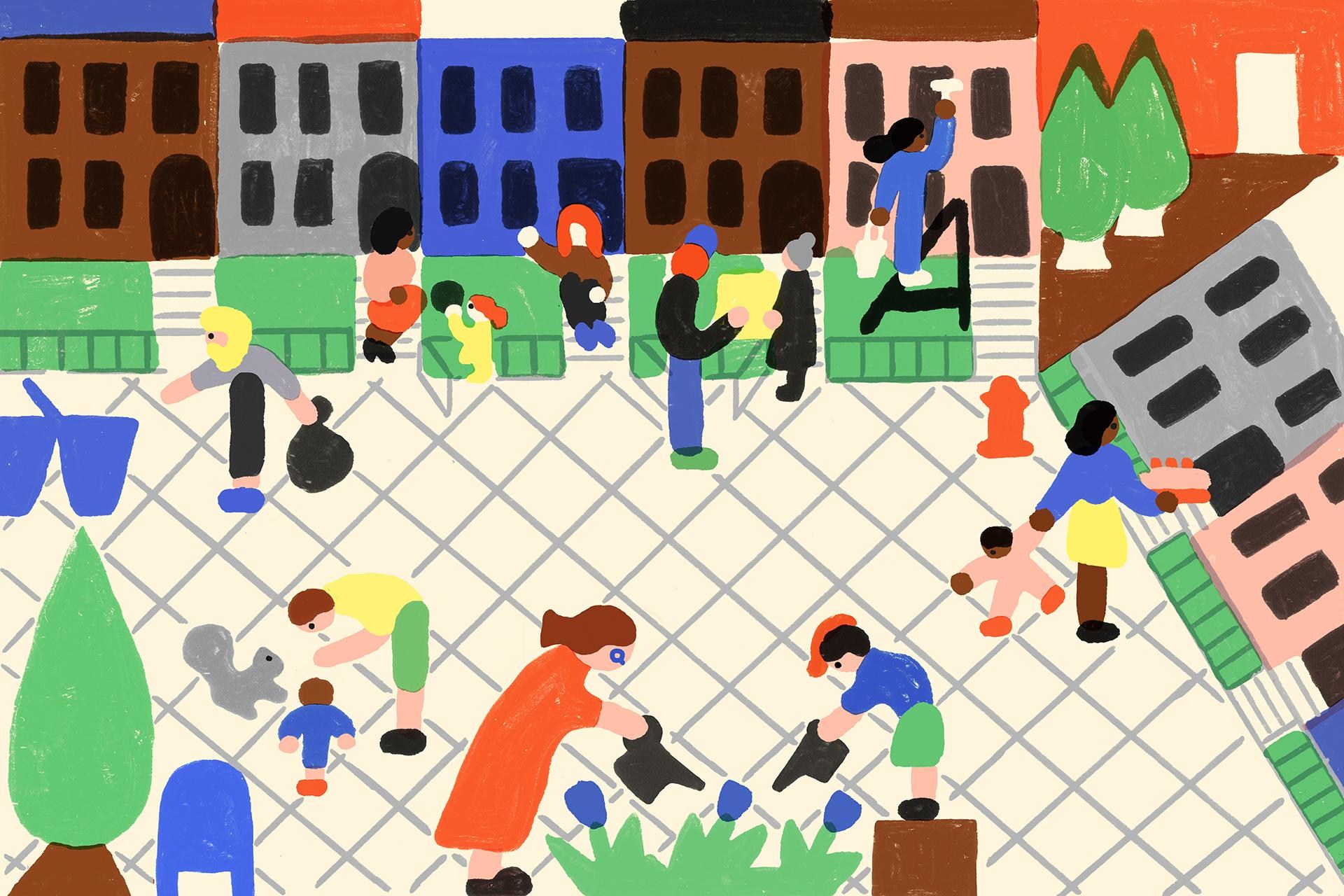
In an era of remote work and digital immersion, the simple act of knowing your neighbors can feel like a relic of a bygone era. For many, particularly younger generations, the default setting is often isolation, even when living in close proximity to others. This disconnect, while increasingly common, has profound implications for individual well-being and community cohesion.
The Shifting Landscape of Neighborly Relations
The author’s personal confession of living in an apartment complex for four years without knowing a single neighbor is a sentiment echoed by many. While a 2025 Pew Research report indicates that a majority of U.S. adults
do
know at least some of their neighbors, a closer look reveals a demographic divide. This familiarity is more prevalent among older adults, often residing in suburban, home-owning environments. Conversely, data suggests that Millennials and Gen Z are significantly less likely to cultivate these local connections.
Several societal factors contribute to this trend. The rise of car-dependent communities inherently limits spontaneous interactions; the commute from home to car to destination often bypasses opportunities for casual encounters. Furthermore, the increasing prevalence of remote work, while offering flexibility, can exacerbate feelings of isolation. When one’s social circle shrinks to the digital realm and the occasional grocery store run, the opportunities to organically meet and connect with those living next door diminish significantly.
The Untapped Potential of Local Connections
The benefits of knowing your neighbors extend far beyond mere acquaintance. These connections can foster a sense of belonging, enhance personal safety through mutual awareness, and even contribute to improved mental and physical health. In times of need, a trusted neighbor can be an invaluable resource, offering support, sharing resources, or simply providing a friendly face.
The Pew report highlights that those who
do
know their neighbors often perceive them as a source of emotional support and practical assistance. This is particularly true in neighborhoods where residents actively engage, whether through organized events, shared amenities, or simply consistent, friendly interactions. The underlying sentiment is that viewing these relationships as an investment in one’s overall well-being, rather than a burdensome chore, can fundamentally shift the approach to community engagement.
Cultivating Connection in a Disconnected World
Bridging the gap with neighbors doesn’t require grand gestures. Small, consistent efforts can yield significant results. Simple acts like a friendly wave, a brief chat while taking out the trash, or offering a helping hand with a minor task can lay the groundwork for deeper connections. For apartment dwellers, organizing a small building potluck or initiating a shared community board can foster a sense of camaraderie. In more suburban settings, participating in neighborhood watch programs or attending local events can create natural opportunities for interaction.
Ultimately, the key lies in shifting perspective. Seeing neighbors not as strangers occupying adjacent spaces, but as potential allies and sources of support, can transform the way we approach our local environments. In an increasingly fragmented world, nurturing these proximate relationships offers a powerful pathway to a more connected, supportive, and fulfilling life.
Based on materials: Vox



