
The deepening housing crisis across America is prompting a resurgence of an old policy idea: rent control. As more states and cities grapple with soaring housing costs, governments are exploring measures to curb aggressive rent hikes, a move that resonates with voters but often draws criticism from economists.
The Growing Appeal of Rent Caps
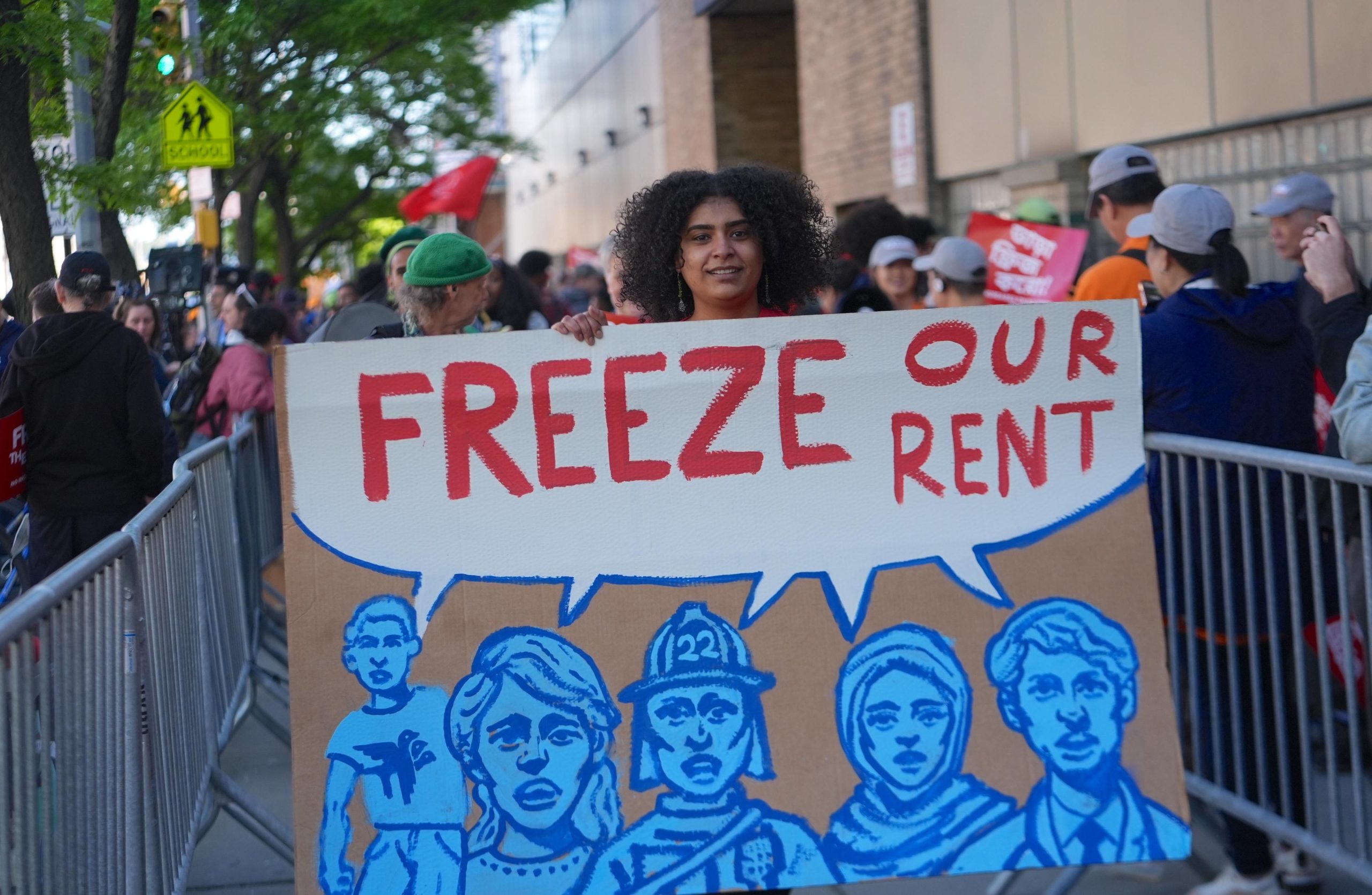
From Oregon and Washington to California, statewide rent control measures have been enacted in recent years. The Biden administration even floated the idea of a nationwide rent cap for large buildings in 2024. Most recently, New York City’s Rent Guidelines Board approved a two-year rent freeze for approximately one million rent-stabilized apartments. This decision aligns with a key campaign promise from Mayor Zohran Mamdani, highlighting the policy’s popularity among constituents facing escalating housing expenses. The image of New Yorkers, including union activists, rallying for a rent freeze outside LaGuardia Community College underscores the significant public demand for such interventions.
Economists’ Skepticism and a Lingering Question
Despite its electoral appeal, rent control has historically been a contentious issue among economists. A 2012 survey revealed that a mere 2 percent of economists agreed that rent control was a good policy. The primary concern often cited is that rent stabilization can disincentivize new construction and lead to a decline in the quality of existing housing stock. Critics argue that by limiting potential returns, developers are less likely to invest in new rental properties, thereby exacerbating the long-term supply shortage. Furthermore, landlords might reduce maintenance and upkeep on rent-controlled units, leading to a deterioration of the housing environment.
However, the narrative is not entirely monolithic. While the majority of economists maintain their reservations, a segment acknowledges that under specific circumstances, rent control might offer a valuable tool. These exceptions often hinge on the precise design and implementation of the policy. For instance, narrowly tailored rent stabilization that exempts new construction or targets specific types of units might mitigate some of the negative consequences. The ongoing debate suggests that as the housing affordability crisis intensifies, policymakers may be compelled to re-examine traditional economic critiques and explore nuanced approaches to rent regulation.
Looking Ahead: A Policy in Flux
The recent surge in rent control adoption indicates a growing willingness among lawmakers to prioritize immediate relief for tenants, even in the face of established economic skepticism. The success or failure of these policies will likely be closely watched, not just by voters and economists, but by other cities and states facing similar housing challenges. As the housing market continues to evolve, the future of rent control remains a critical and evolving area of public policy, balancing the immediate needs of residents with the long-term health of the housing market.
Based on materials: Vox



