
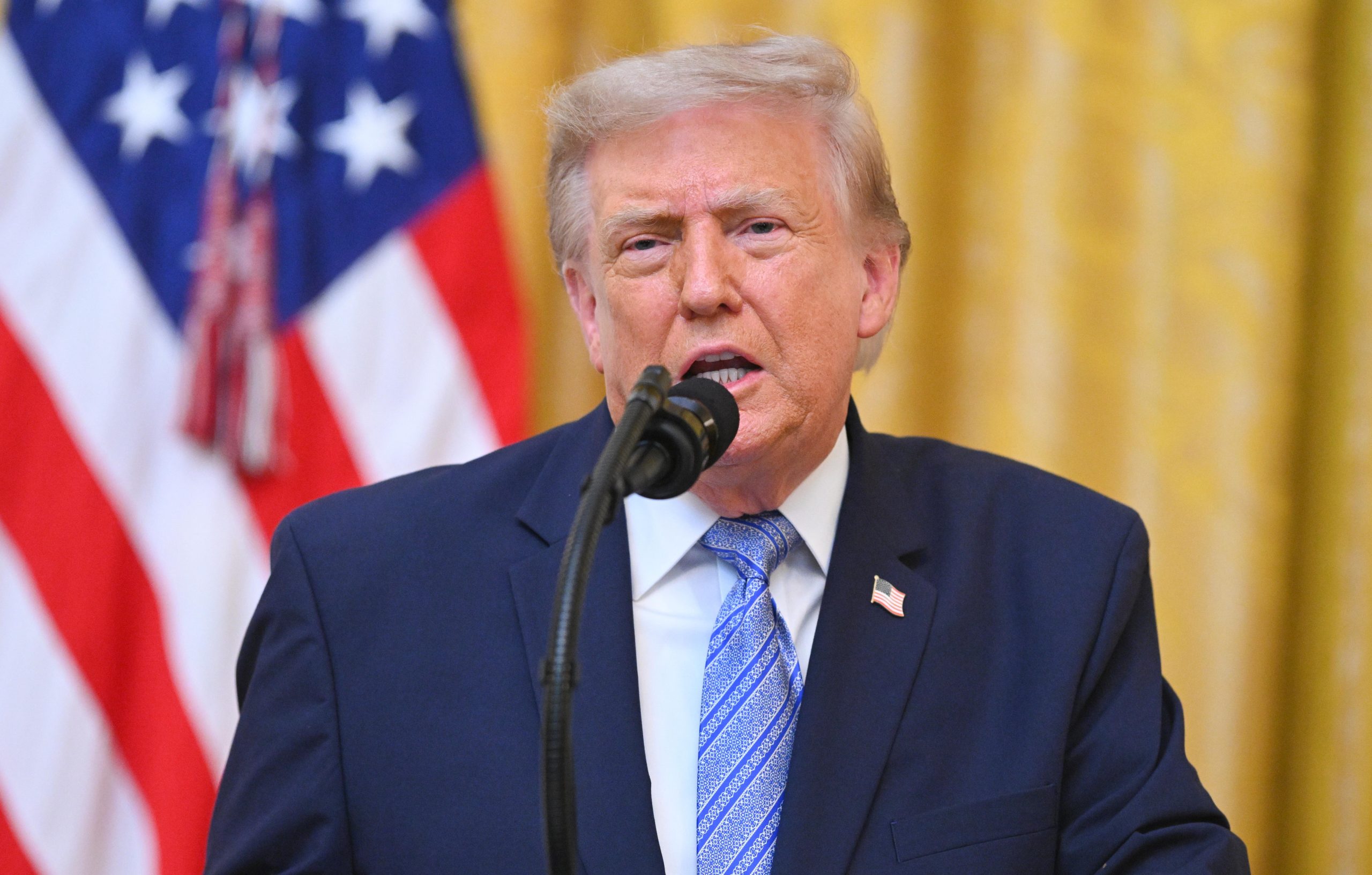
In a surprising turn of events, President Donald Trump’s recent address concerning election security, rife with unsubstantiated claims and allegations, may paradoxically offer a glimmer of hope for the health of American democracy. While the President’s primetime speech was heavily laden with falsehoods, innuendo, and distorted truths, all seemingly designed to bolster his long-held belief in a rigged electoral system, the very nature of his pronouncements has sparked a different kind of conversation.
The President asserted that China had illicitly obtained sensitive voter data, accused the intelligence community of withholding critical information about foreign interference, and declared American elections “left vulnerable to being rigged and stolen.” These assertions, largely demonstrably false, exaggerated, or misleading – such as the claim about data China “stole,” which reportedly originated from publicly accessible voter registration files – would typically be cause for alarm. However, the public and political reaction to these claims has, in a peculiar way, highlighted the resilience of democratic institutions and the scrutiny they are under.
A Test of Democratic Resilience
The President’s claims, rather than being accepted at face value, have been met with widespread skepticism from both political opponents and, crucially, many within his own party and across various media outlets. This robust pushback, characterized by fact-checking, critical analysis, and calls for evidence, demonstrates a functioning system of checks and balances. Independent journalists, election officials, and cybersecurity experts have been swift to debunk the more egregious assertions, reinforcing the integrity of the electoral process. The fact that these claims have been so openly challenged, rather than leading to widespread panic or unquestioning acceptance, suggests a populace and a political landscape capable of discerning fact from fiction, even when presented by the highest office.
The Unintended Consequence of Scrutiny
The intense scrutiny applied to Trump’s election fraud narrative has, by necessity, led to a deeper public engagement with the mechanics of election security. Discussions have moved beyond mere partisan accusations to more substantive conversations about voter data protection, the role of intelligence agencies, and the safeguards in place to prevent foreign interference. This increased awareness and demand for transparency, however ironically spurred by misinformation, can serve as a powerful catalyst for strengthening democratic processes. When the public is more informed and vigilant, it becomes a more potent force in holding institutions accountable and demanding robust protections for the electoral system. The very act of defending the integrity of elections against unfounded allegations has, in essence, galvanized a broader commitment to their security.
Conclusion: A Call for Vigilance
While President Trump’s rhetoric concerning election integrity is undeniably problematic and contributes to a climate of distrust, the reaction it has generated offers a curious silver lining for American democracy. The widespread debunking of his claims, the increased public engagement with election security, and the continued assertion of democratic norms by a diverse array of voices demonstrate a system capable of self-correction and resilience. It underscores the importance of a free press, an informed citizenry, and the courage of those willing to stand up to misinformation, even when it emanates from the White House. The ongoing battle against election-related falsehoods serves as a stark reminder that vigilance and a commitment to truth are not just desirable but essential for the continued health and vitality of American democracy.
Based on materials: Vox



