
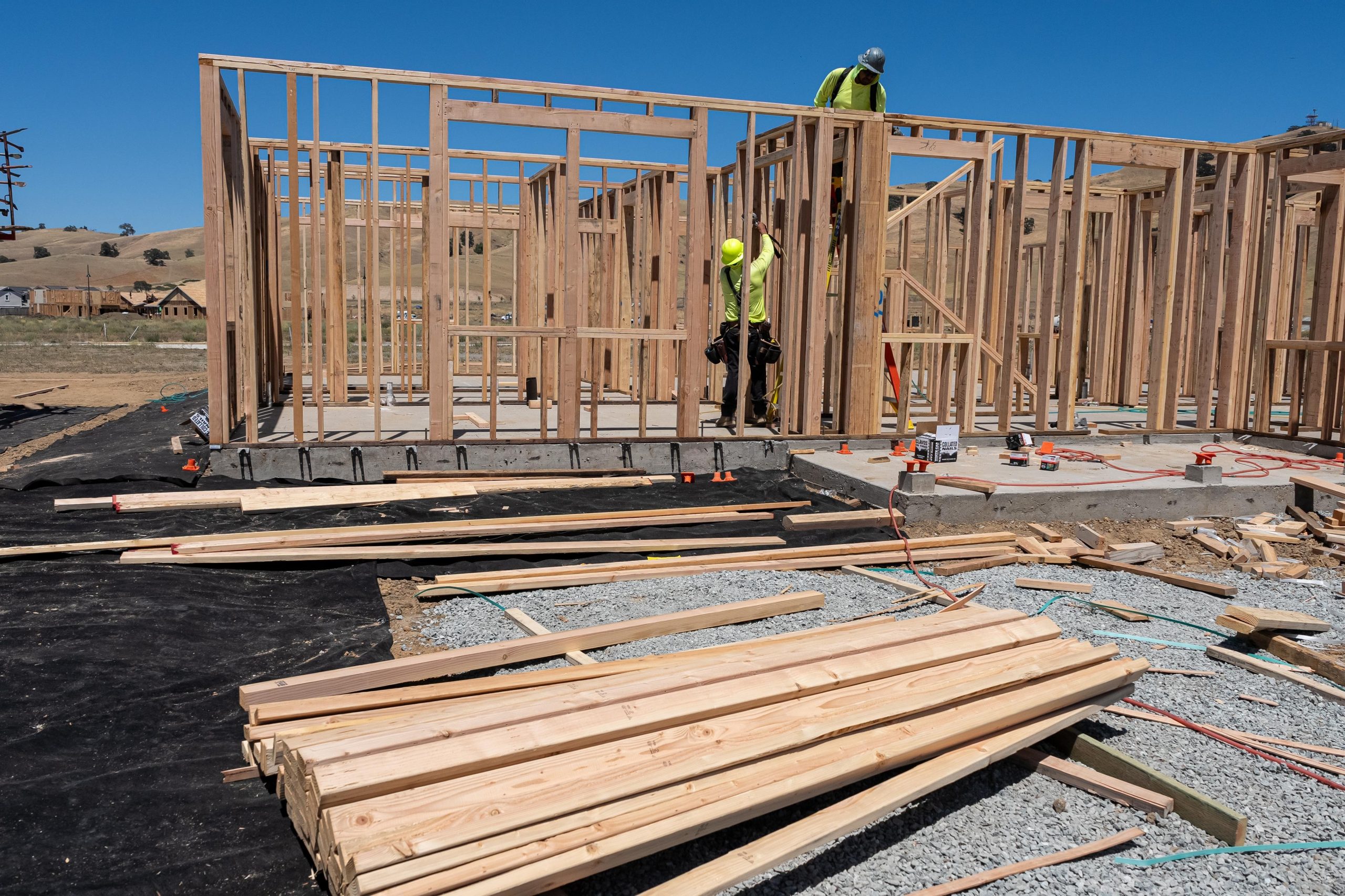
A groundbreaking “theory of everything” might not be emerging from the realm of physics as once hoped, but a surprising contender is gaining traction in social science. Three British writers, John Myers, Sam Bowman, and Ben Southwood, posited in a 2021 essay that a significant portion of the West’s most pressing issues can be traced back to a singular cause: a chronic shortage of housing in desirable locations. This “housing theory of everything,” initially presented on the progress-minded platform Works in Progress, has seen its evidence mount in the intervening years, suggesting a powerful, unifying explanation for seemingly disparate problems.
The core of the theory is elegantly simple: the availability and affordability of housing profoundly influence an individual’s life trajectory and, by extension, societal outcomes. Where you can afford to live dictates your employment opportunities, the length of your commute, the size of your family, the demographics of your neighborhood, and even your political leanings. When housing becomes scarce and expensive, these fundamental choices become constrained, triggering a cascade of negative consequences.
The Ripple Effect of Scarcity
The authors meticulously detail how this housing scarcity exacerbates a range of societal ills. Slow economic growth, for instance, is linked to a reduced ability for businesses to attract talent to areas where jobs are plentiful, as potential employees are priced out. Widening inequality can be attributed to the disproportionate burden of housing costs on lower and middle-income households, leaving less disposable income for savings, education, or investment. Fertility rates, a key demographic indicator, are also shown to decline as the cost and difficulty of raising a family in expensive urban centers become prohibitive.
Beyond economic and demographic impacts, the theory also connects housing shortages to issues like rising obesity rates, potentially due to longer commutes and less time for healthy activities, and even climate change. While the link to climate change might seem less direct, the theory suggests that limited housing options can lead to increased urban sprawl, longer commutes powered by fossil fuels, and a reduced incentive for dense, energy-efficient living. The inability to build new homes in areas of high demand also stifles innovation and economic dynamism, further contributing to stagnation.
A Call for Policy Re-evaluation
The implications of the “housing theory of everything” are profound, suggesting that many policy interventions aimed at addressing individual problems might be missing the root cause. Instead of treating symptoms, a focus on increasing housing supply in areas with strong job markets could offer a more effective and holistic solution. This would involve re-examining zoning laws, streamlining permitting processes, and incentivizing the construction of diverse housing types to meet the needs of a growing population.
While the idea of a single theory explaining such a broad spectrum of challenges is ambitious, the growing body of evidence supporting the housing theory of everything demands serious consideration. It presents a compelling argument that by tackling the fundamental issue of housing availability and affordability, societies may unlock solutions to many of their most persistent and complex problems, fostering greater economic prosperity, social equity, and overall well-being.
SOURCE: Vox
Based on materials: Vox



