
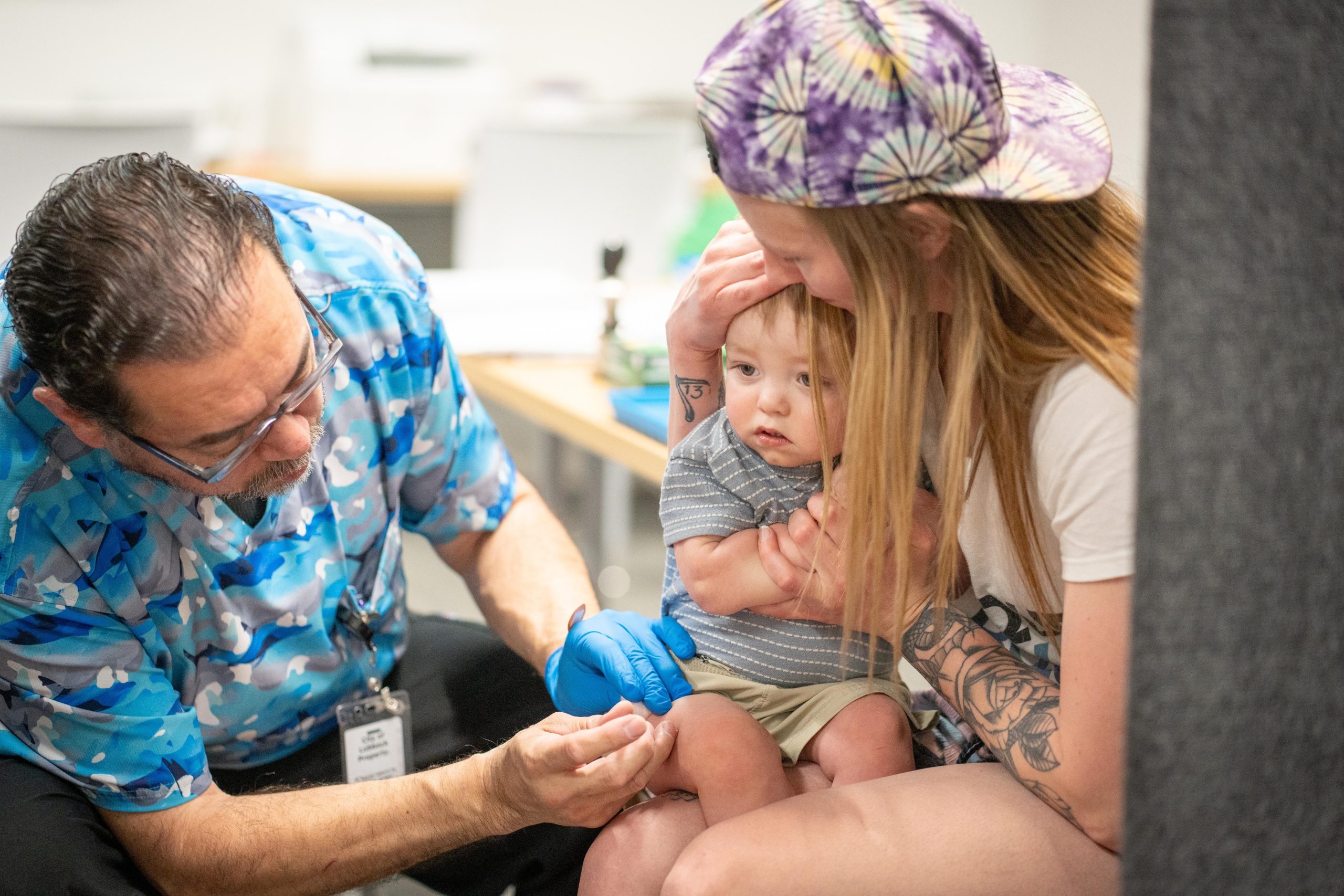
The United States is grappling with a resurgence of measles, a highly contagious disease that was officially eradicated in the year 2000. This year has seen more than 2,300 reported cases across the nation, marking the highest tally since 1992. New data from the Centers for Disease Control and Prevention (CDC) reveals that the number of measles cases in the past two years has surpassed that of the preceding 24 years, underscoring a significant public health challenge.
A Widespread and Troubling Trend
While some of the recent outbreaks, like those in South Carolina, Utah, Virginia, and Pennsylvania, have been contained, the underlying causes are far-reaching and complex. The primary driver behind this alarming resurgence is a decline in routine childhood vaccinations. A growing segment of parents are opting out of or delaying essential immunizations, including the Measles, Mumps, and Rubella (MMR) vaccine, for their children. This trend, fueled by misinformation and vaccine hesitancy, has created pockets of lower herd immunity, leaving communities vulnerable to the reintroduction and rapid spread of the virus.
The consequences of this decline are stark. Measles is an airborne virus that spreads with remarkable ease through coughing and sneezing. Before the widespread adoption of the MMR vaccine, millions of Americans contracted measles annually, leading to thousands of hospitalizations and hundreds of deaths. While the current outbreak has not reached those pre-vaccine levels, the potential for severe illness, complications such as pneumonia and encephalitis, and even fatalities remains a serious concern, particularly for young children and individuals with weakened immune systems.
Understanding the Roots of Vaccine Hesitancy
The reasons behind parents’ reluctance to vaccinate are multifaceted. A significant factor is the proliferation of anti-vaccine sentiments online, which often spread unsubstantiated claims about vaccine safety and efficacy. Historical controversies, though largely debunked by scientific consensus, continue to be revisited and amplified, fostering distrust in public health institutions and medical professionals. This erosion of trust, coupled with concerns about vaccine schedules or perceived risks, has led to a documented drop in vaccination rates. Public health officials are now faced with the dual challenge of not only treating current cases but also actively combating misinformation and rebuilding confidence in established public health interventions.
The Path Forward: Rebuilding Immunity and Trust
Addressing the measles resurgence requires a multi-pronged approach. Public health agencies are intensifying efforts to track and respond to outbreaks, providing resources and support to affected communities. Crucially, there is a renewed focus on public education campaigns designed to counter vaccine misinformation with accurate, science-based information. These campaigns aim to highlight the overwhelming safety and efficacy of vaccines, emphasizing their role in preventing serious illness and protecting not only individual children but also the broader community through herd immunity. Pediatricians and healthcare providers are also playing a vital role, engaging in open conversations with parents, addressing their concerns, and reinforcing the importance of timely vaccinations. The goal is to reverse the trend of declining vaccination rates and ensure that the gains made in eradicating measles are not lost, safeguarding the health of future generations.
Based on materials: Vox



