
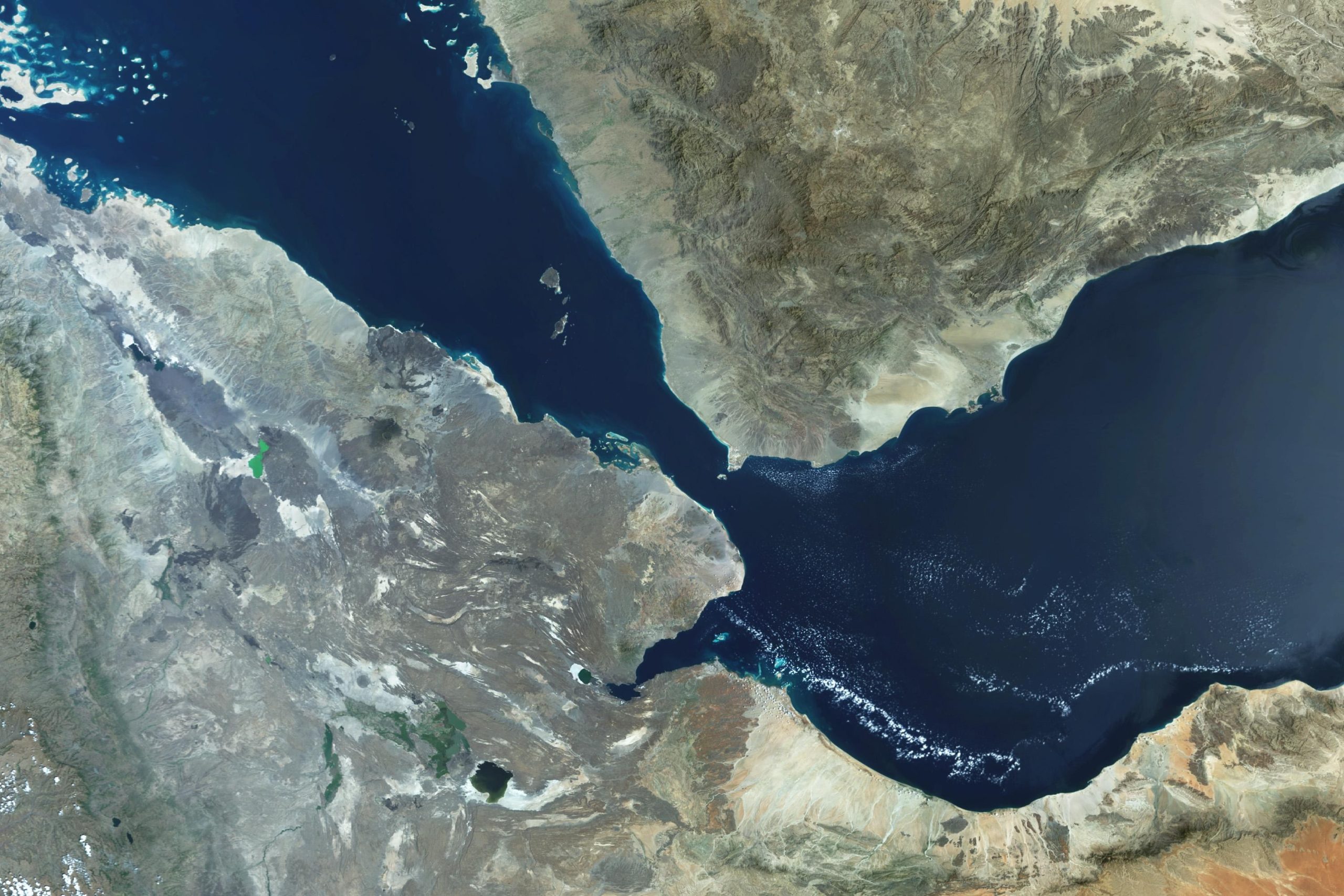
The intricate web of global energy supply is facing a significant challenge as a crucial maritime chokepoint, previously considered a vital backup route, is now under threat. Recent aggressive actions by Iran-backed Houthi rebels in Yemen have disrupted oil tanker traffic in the Red Sea, raising concerns about the stability of Middle Eastern oil exports and forcing a re-evaluation of existing contingency plans.
Red Sea Route Under Siege
The Bab el-Mandeb Strait, a narrow waterway connecting the Red Sea to the Gulf of Aden, has long been recognized for its strategic importance. It serves as a critical conduit for oil shipments destined for the Suez Canal and subsequently the Mediterranean Sea, thus playing a pivotal role in supplying energy to global markets. However, on July 20th, the Houthi movement, with alleged backing from Iran, declared a “blockade” against Saudi Arabia. This declaration was swiftly followed by attacks on two Saudi oil tankers transiting the Red Sea. The immediate aftermath saw several vessels carrying Saudi crude oil divert course to steer clear of the Yemeni coast, underscoring the tangible impact of these hostilities.
The Vanishing Backup Plan
For years, the Strait of Hormuz, another vital artery for oil transport out of the Persian Gulf, has been susceptible to disruption. In anticipation of such events, the Red Sea route was established as a robust alternative, designed to ensure the continued flow of Middle Eastern oil to the international market. The current escalation of conflict in Yemen, however, highlights the vulnerability of this supposed backup. The importance of the Red Sea route has inadvertently transformed it into a new arena for leverage in the protracted conflict between the Houthi rebels and their long-standing adversaries in Saudi Arabia. This situation is particularly concerning given Iran’s historical role in influencing regional instability and potentially using such proxy conflicts to exert pressure.
Geopolitical Ripples and Economic Fallout
The implications of these disruptions extend far beyond regional politics. A sustained blockage or significant increase in shipping risks in the Red Sea could lead to a substantial surge in global oil prices. This, in turn, would fuel inflation, impact economies worldwide, and create renewed energy security anxieties for importing nations. The attacks serve as a stark reminder of the delicate balance of power in the Middle East and the interconnectedness of global energy markets. As the international community grapples with these developments, the need for diplomatic solutions and enhanced maritime security measures becomes increasingly urgent to safeguard vital trade routes and prevent further economic turmoil. The era of readily accessible oil transport out of the Middle East might be facing an unprecedented test, demanding swift and decisive action from all stakeholders.
Based on materials: Vox



