
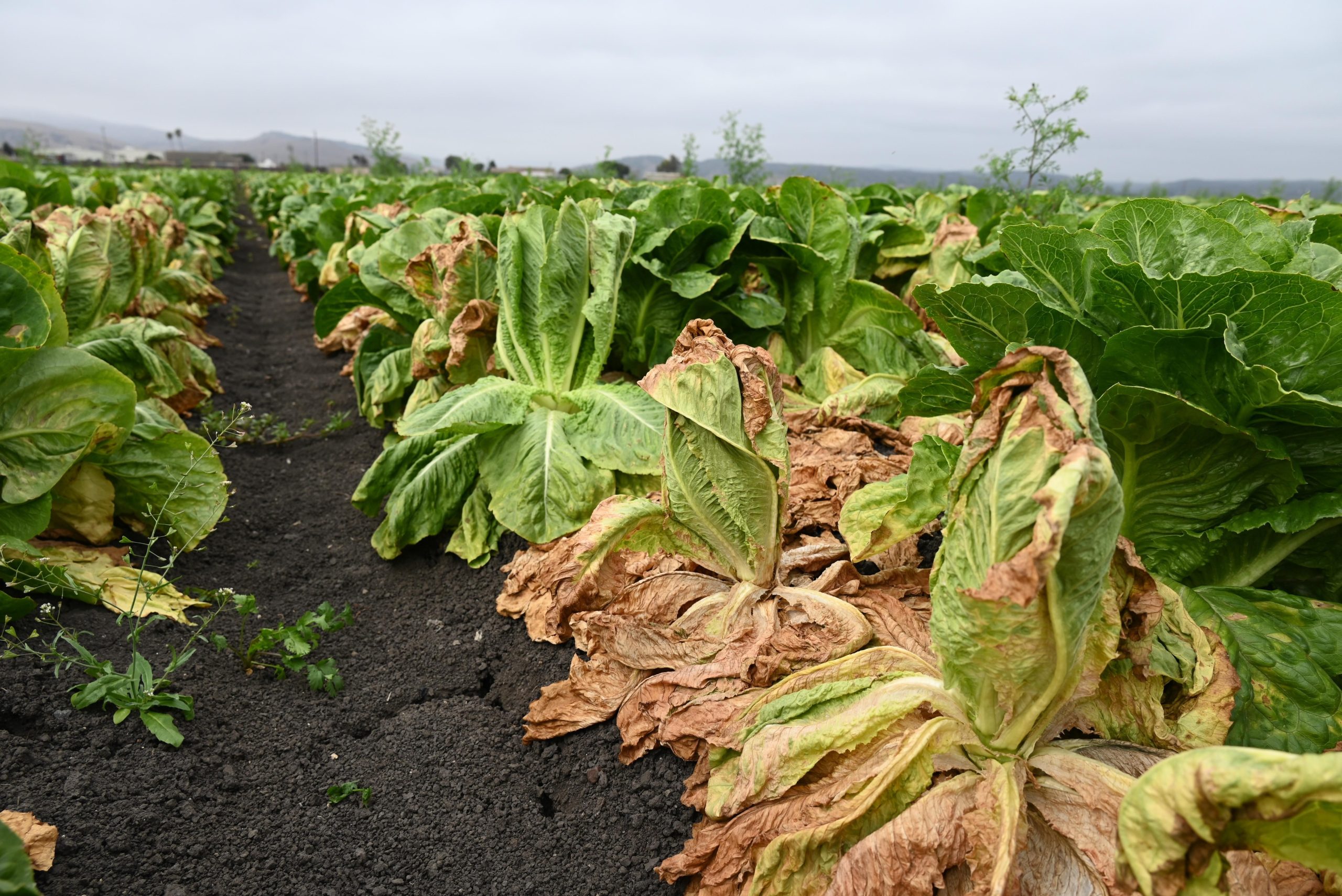
Summer, often heralded as a season of vibrant flavors and fresh produce, has this year delivered a starkly different narrative for American consumers. Instead of idyllic picnics laden with sun-ripened berries and crisp corn, the warmer months have been marred by a significant surge in foodborne illnesses and product recalls, raising concerns about the safety of our food supply.
A Troubling Tide of Illness
This summer has witnessed an alarming spike in foodborne illnesses, with cyclosporiasis emerging as a particularly widespread concern. Since May, the United States has recorded over 17,000 lab-confirmed cases of this parasitic infection, a figure that dwarfs previous annual tallies. Prior to this year, the nation had rarely seen more than a few hundred cyclosporiasis infections in a single year. The parasite, known for its debilitating gastrointestinal symptoms, including severe diarrhea, has turned many summer meals into unwelcome ordeals.
But cyclosporiasis is not the sole culprit behind the nation’s digestive distress. Other significant outbreaks have also surfaced. A deadly listeria outbreak, traced to ricotta cheese, has tragically resulted in at least one fatality. Furthermore, a widespread salmonella contamination linked to recalled eggs has sickened close to 100 individuals, underscoring a broader systemic issue. These incidents, occurring in rapid succession, paint a disquieting picture of the challenges facing food safety regulators and consumers alike.
Unpacking the Drivers of the Surge
While the exact confluence of factors leading to this intensified wave of recalls remains under investigation, several potential contributors are being examined. Experts suggest that climate change may play a role, creating more favorable conditions for certain pathogens and parasites to thrive. Altered weather patterns, including increased rainfall and higher temperatures, can impact agricultural practices, potentially increasing the risk of contamination from farm to table.
Beyond environmental factors, the complexity of modern food supply chains also presents vulnerabilities. Globalization and the intricate networks involved in transporting food across vast distances can introduce more points of potential contamination. Furthermore, shifts in agricultural practices, such as increased reliance on certain irrigation methods or the use of specific fertilizers, could inadvertently create pathways for pathogens. Regulatory oversight and the effectiveness of testing protocols are also critical components in preventing such widespread outbreaks.
Looking Ahead: A Call for Vigilance
The current trend of escalating food recalls signals a pressing need for enhanced vigilance throughout the food production and distribution system. Consumers are urged to remain informed about ongoing recalls, practice safe food handling at home, and be mindful of the origins of their food. For the industry and regulatory bodies, this surge serves as a critical reminder of the perpetual challenges in ensuring food safety and the necessity of adapting to evolving threats, whether they stem from environmental shifts or the inherent complexities of global food networks. The hope for a safe and flavorful summer harvest next year hinges on a concerted effort to strengthen food safety measures and address the underlying causes of these alarming outbreaks.
Based on materials: Vox



