
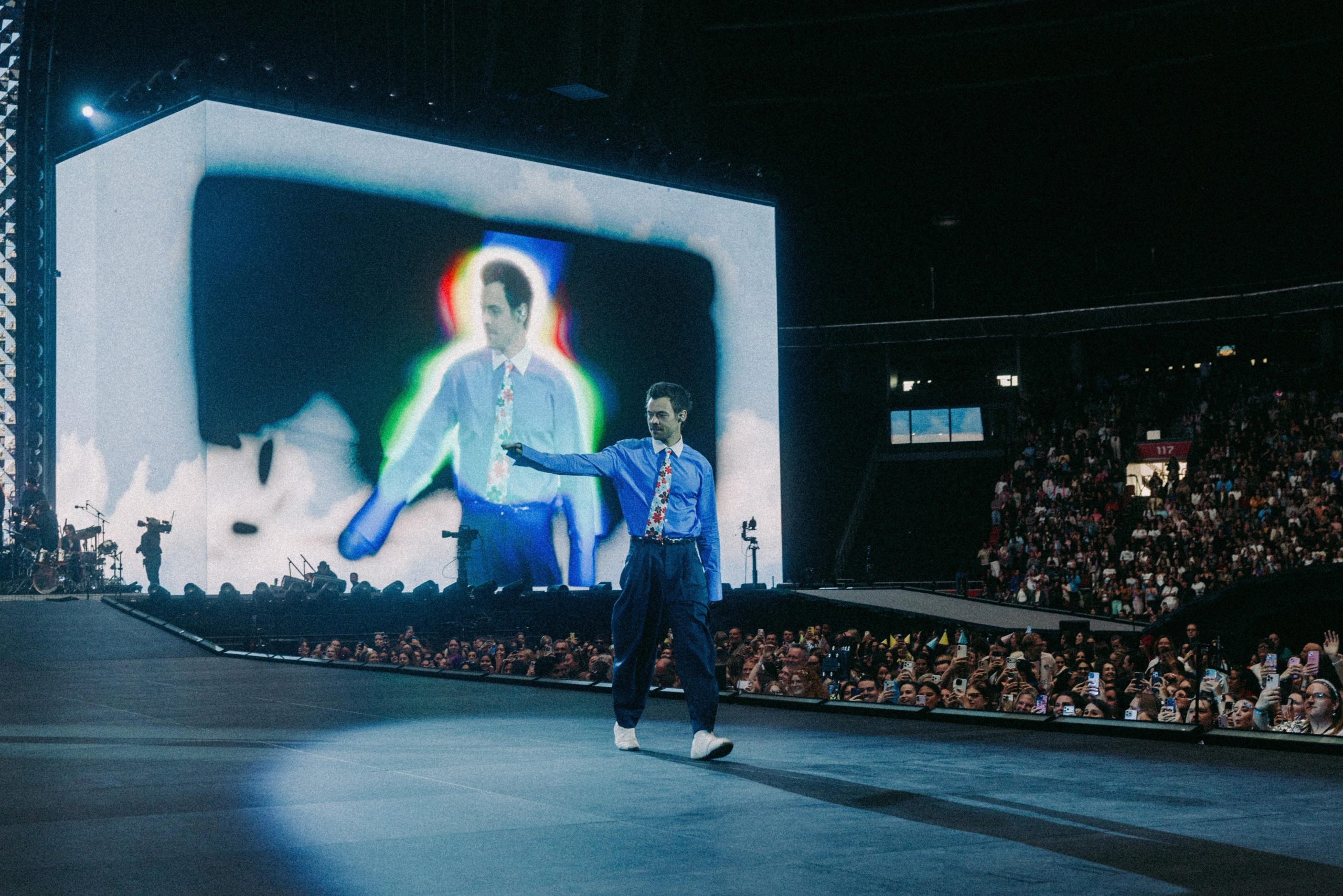
The era of fleeting tours may be winding down as a new trend takes center stage in the live music industry: extended residencies. Harry Styles’ upcoming 30-night stint at Madison Square Garden marks him as the latest superstar to embrace this model, a shift that is fundamentally altering the concert experience and, for many fans, the associated costs.
This growing preference for localized, multi-night engagements isn’t just a fleeting fad. It’s a significant indicator of evolving economics within the entertainment sector, impacting how we access and afford cultural experiences. Adele’s captivating shows in Munich, Bad Bunny’s electrifying performances in Puerto Rico, and Billy Joel’s legendary New York runs are all testament to the widespread adoption of this strategy. What this means for fans is a departure from the convenience of catching a favorite artist during a hometown stop. Instead, attending these exclusive events often necessitates a significant investment beyond the ticket price, encompassing travel, accommodation, and potentially days off work.
The Allure of the Residency: Cost-Effectiveness and Control
The appeal of residencies for artists and their entourage is multifaceted, primarily driven by enhanced cost-effectiveness and logistical ease. Conventional touring involves a complex, high-stakes operation: packing up an entire production, moving it across numerous cities, and the inherent unpredictability of each stop. This constant motion incurs substantial expenses in terms of transportation, venue rentals, and crew logistics.
Residencies, conversely, offer a stable base of operations. By settling into a single venue for an extended period, artists can streamline production, reduce travel-related expenditures, and maintain a consistent team. This stability not only benefits the bottom line but also allows for a more refined and polished performance, as the technical and creative elements can be perfected over time. Furthermore, it provides a predictable income stream, mitigating the financial risks associated with a traditional tour.
The Fan’s Dilemma: Affordability and Accessibility
While the benefits for artists are clear, the shift towards residencies presents a growing challenge for fans. The “destination concert” model, as it’s becoming known, transforms a live music event from a casual outing into a significant undertaking. For those living outside major entertainment hubs, the cost of attending a residency can quickly escalate. Plane tickets, hotel stays, and the concert ticket itself can easily amount to hundreds, if not thousands, of dollars.
This economic barrier raises questions about the accessibility of live music. Are these exclusive residencies inadvertently creating a tiered system where only those with disposable income can participate? The intimate connection between an artist and their fanbase, once fostered through widespread touring, now risks being diluted by geographical and financial limitations. As more artists opt for these lucrative, concentrated engagements, the dream of seeing a beloved performer live may become an increasingly expensive reality, forcing fans to make difficult choices about their entertainment budgets.
A New Landscape for Live Music
The rise of the concert residency signifies more than just a change in touring habits; it reflects a fundamental recalibration of the live music economy. As artists and promoters seek greater efficiency and predictable revenue streams, fans are left navigating a landscape where attending their favorite musicians’ performances may require a significant financial and logistical commitment. This trend is likely to continue shaping the future of live entertainment, prompting discussions about affordability, access, and the evolving relationship between artists and their audiences.
Based on materials: Vox



