
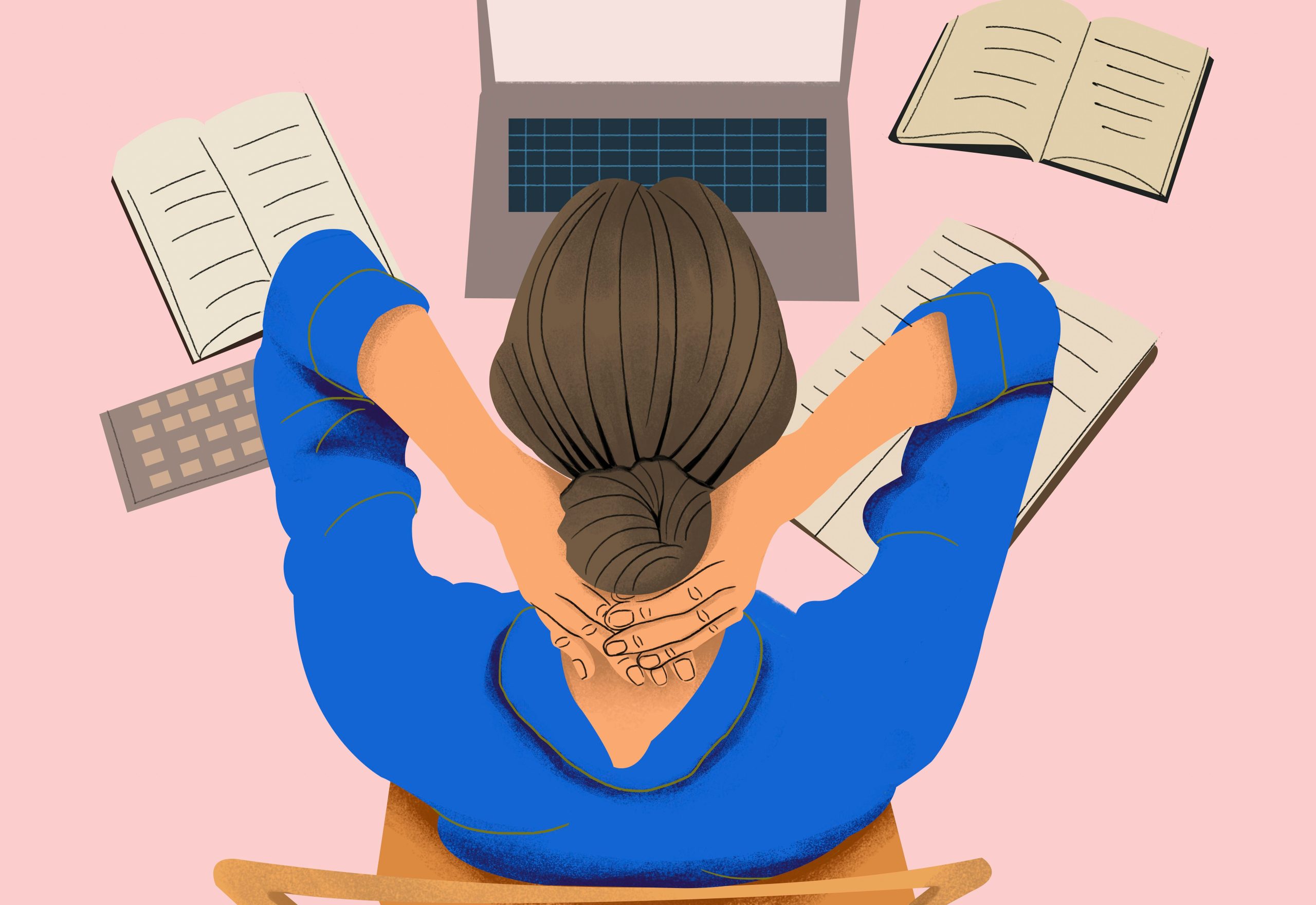
The narrative is bleak: in the age of instant information and endless short-form video, the humble act of finishing a book feels like a Herculean task. This “horror story,” as some are calling it, suggests that technology has rendered us incapable of sustained reading, pushing us into a “postliterate era.” While the cultural implications are significant, the struggle to finish a book is also a deeply personal one for many.
The Siren Call of Instant Gratification
The rise of artificial intelligence and the pervasive influence of platforms like TikTok and Instagram have undeniably reshaped our consumption of information and entertainment. AI readily distills complex topics into digestible summaries, while short-form video offers a constant stream of dopamine hits, requiring minimal attention span. This environment fosters a culture of quick consumption, making the slower, more immersive experience of reading feel like a relic of the past. Teachers, as reported in a viral Atlantic piece, are even adapting curricula, opting for excerpts over full novels, citing the demands of standardized testing and a perceived decline in students’ ability to engage with longer texts. This phenomenon isn’t just about academic shifts; it reflects a broader societal struggle to carve out dedicated time for deep engagement.
A Crime of Opportunity: Reclaiming Reading Time
Leah Price, a professor of modern book history, aptly describes reading as a “crime of opportunity.” In our hyper-connected world, opportunities for focused reading are becoming increasingly scarce. The constant barrage of notifications, the allure of endless scrolling, and the pressure to always be “on” chip away at the quiet moments traditionally dedicated to books. This isn’t a failing of individual willpower, but rather a consequence of an ecosystem designed to capture and retain our attention. The very tools that promise to make life easier and more informative are, paradoxically, making it harder to engage with the depth and nuance that reading provides.
Strategies for the Modern Reader
While the challenges are real, the idea that reading is truly “ending” is an oversimplification. Instead, it requires a conscious effort to re-prioritize and re-frame our relationship with books. This might involve setting aside designated “reading times,” even if they are just 15-30 minutes a day, free from digital distractions. Exploring different formats, such as audiobooks for commutes or e-readers for portability, can also make reading more accessible. Furthermore, curating one’s media consumption, consciously choosing longer-form content over fleeting digital stimuli, is crucial. The desire to read more persists; it simply demands a more strategic and mindful approach in a world clamoring for our attention. The joy and enrichment of a good book are not lost, but they do require us to actively create the space for them to flourish.
CONCLUSION: The perceived “end of reading” is less an inevitable decline and more a reflection of our evolving relationship with technology and attention. By understanding the forces at play and adopting intentional strategies, individuals can reclaim their reading habits and continue to enjoy the profound benefits of immersing themselves in the written word.
Based on materials: Vox



