
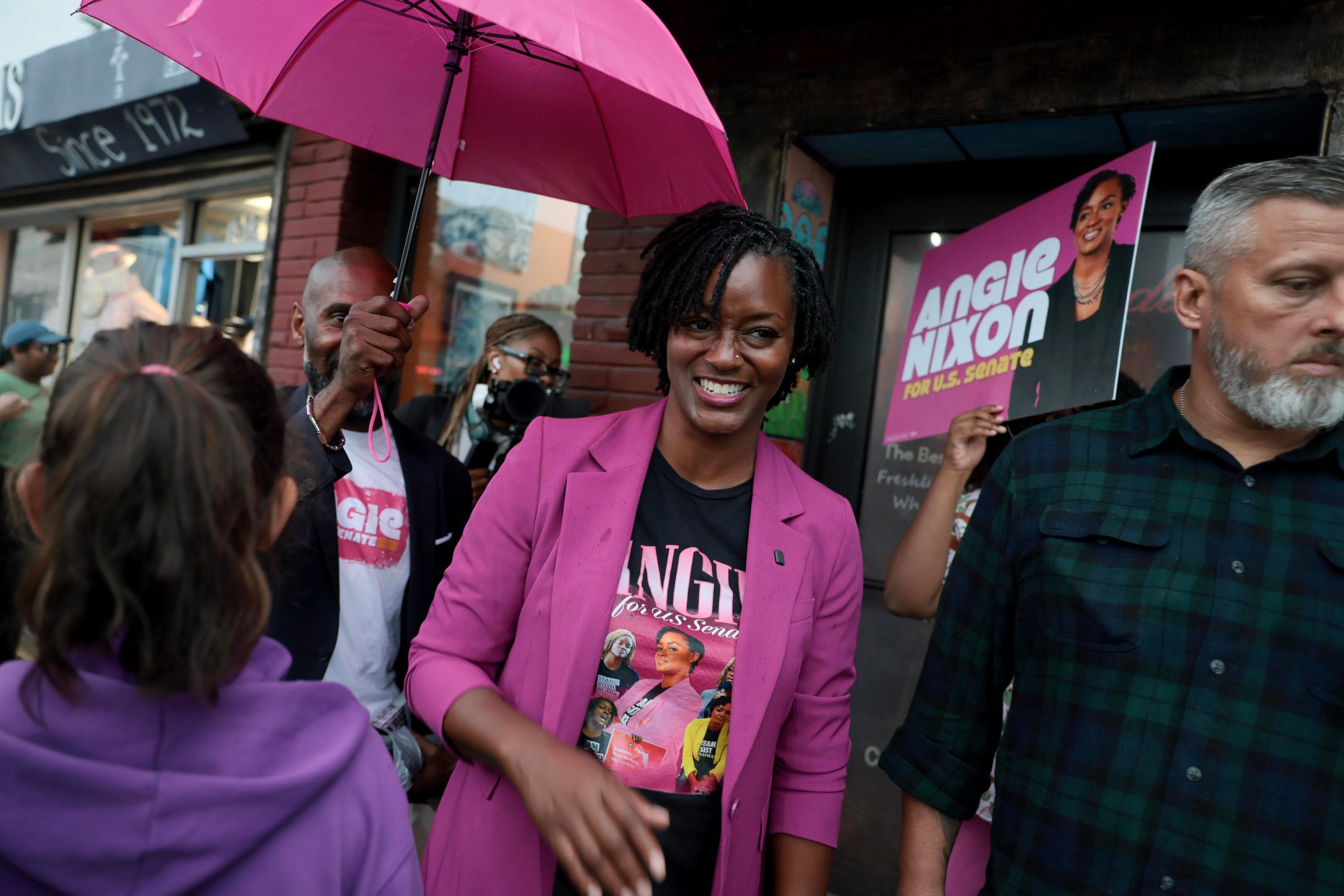
Florida’s political landscape is often painted red, but a recent Democratic Senate primary upset is sparking renewed debate about the Sunshine State’s potential for a Democratic resurgence in 2026. State Representative Angie Nixon’s decisive victory over a better-funded opponent, retired Army Lt. Col. Alex Vindman, has been hailed by some as a triumph for the progressive wing of the Democratic Party, echoing similar primary wins seen in other states. However, Nixon herself suggests the narrative is more nuanced, pointing to grassroots organizing and a broader desire for change among Florida voters as key drivers of her success.
Beyond the Progressive Label
Nixon’s win has been swiftly categorized within a national trend of progressive candidates securing nominations. This framing highlights the growing influence of a more left-leaning faction within the Democratic Party, which has seen success in various House and Senate primaries across the country. While Nixon champions progressive policies, she emphasizes that her campaign’s strategy extended beyond ideological purity. She contends that her victory was the result of relentless campaigning, effective organization, and a deep understanding of the local electorate’s needs. This approach, she argues, resonated with Floridians from various political backgrounds who are increasingly dissatisfied with the status quo.
Crafting a Path to Victory in a Red State
The challenges for Democrats in Florida are undeniable. The state has trended Republican in recent presidential and statewide elections, making any Democratic victory a significant undertaking. Nixon’s campaign team is reportedly focusing on mobilizing voters who have felt overlooked by traditional political campaigns. Her strategy appears to be centered on direct engagement with communities, addressing local concerns, and presenting a compelling alternative to the prevailing political discourse. The ability to connect with a diverse range of voters, from urban centers to more conservative rural areas, will be crucial in her general election bid.
A Broader Electoral Equation
Nixon’s victory serves as a reminder that electoral success is often a complex interplay of candidate appeal, campaign execution, and the prevailing political climate. While national trends and party ideologies play a role, local factors and grassroots efforts can significantly influence outcomes. The question now is whether Nixon’s model of “out-working and out-organizing” can translate into a general election win in a state that has proven challenging for Democrats. Her campaign’s ability to articulate a vision that appeals beyond the party base, coupled with effective mobilization, will be closely watched as the 2026 election cycle unfolds, potentially offering a glimpse into a shifting political dynamic in Florida.
Based on materials: Vox



