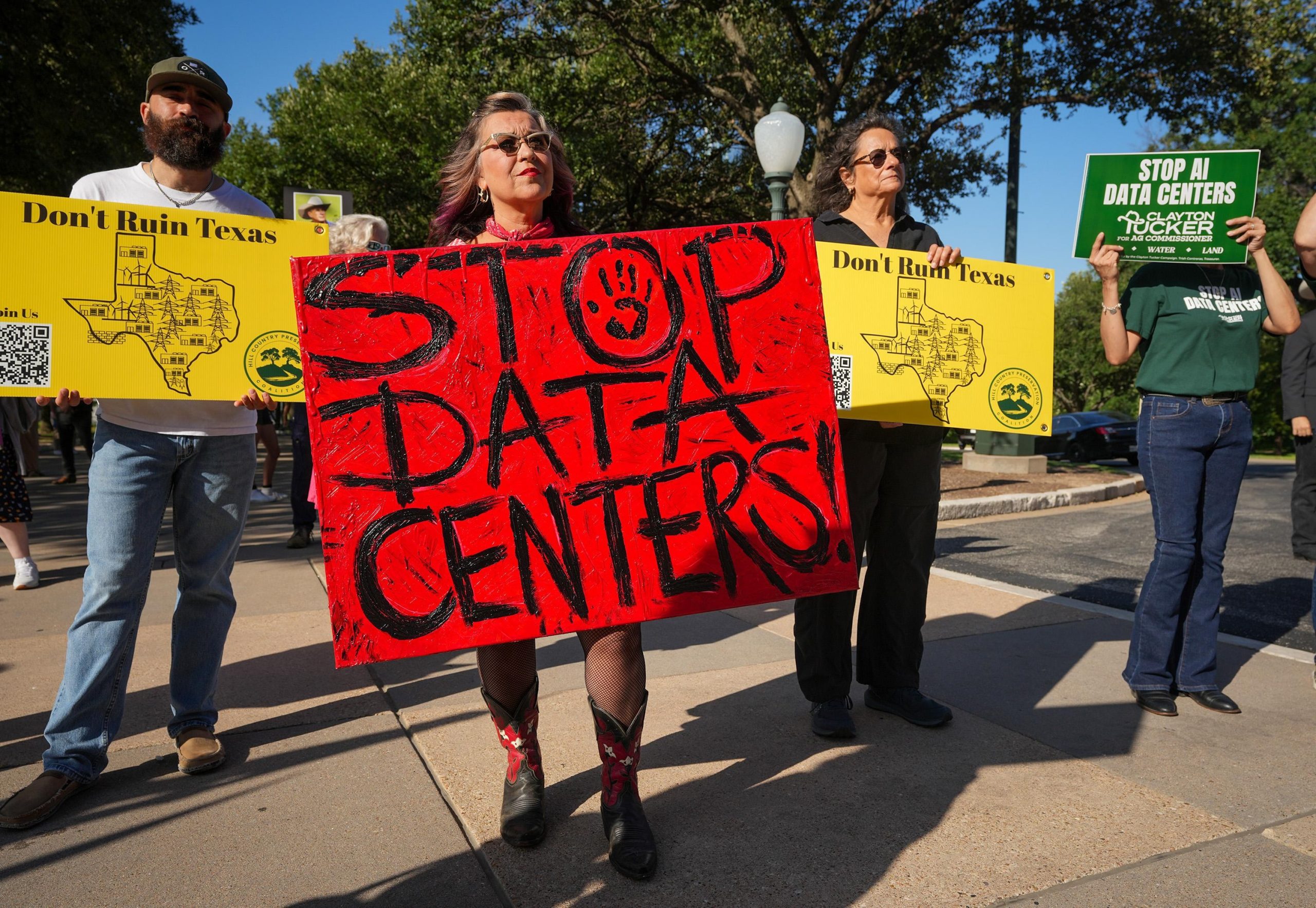
The rapid expansion of data centers, once lauded as engines of technological progress, is now facing a significant public and political reckoning. What was once a quiet, behind-the-scenes industry is now a hot-button issue, influencing electoral campaigns and prompting a bipartisan shift in policy stances. From Texas to across the nation, communities are raising alarms, and politicians are beginning to listen, marking a pivotal moment for the future of digital infrastructure.
Shifting Political Tides in the Lone Star State
Texas, a state that recently prided itself on being at the forefront of artificial intelligence development, is now grappling with the unintended consequences of its data center boom. Governor Greg Abbott, who just a year ago was championing the state as an AI hub, has recently signaled a dramatic change in approach. Following months of intense grassroots activism and vocal community opposition, Abbott has introduced a statewide moratorium on new data center construction. This pause is intended to allow for an audit of new power grid connections, a move that effectively slows down the relentless pace of development. While the timing, just months before his reelection campaign, is unlikely to be coincidental, the moratorium highlights a growing awareness of the strain these facilities can place on local resources.
A National Wave of Resistance
The situation in Texas is not an isolated incident; it mirrors a growing sentiment across the United States. Public resistance to the construction of massive data centers has “skyrocketed,” forcing politicians from across the political spectrum to re-evaluate their positions. Concerns range from the immense water and energy demands of these facilities to their visual impact and potential strain on local infrastructure. As these objections gain traction, policymakers are finding themselves compelled to address the issue, often by revisiting or revising their previous pro-development stances. This groundswell of opposition is turning data centers from undisputed economic assets into contentious local issues, forcing a more nuanced conversation about their role in communities.
The Road Ahead: Balancing Innovation and Community Needs
The growing backlash against data centers presents a complex challenge for both the technology sector and governing bodies. The demand for cloud computing, AI, and other data-intensive services continues to surge, requiring significant infrastructure to support it. However, the increasing awareness of the environmental and community impacts can no longer be ignored. The current moratoriums and policy shifts suggest a move towards a more regulated and community-conscious approach to data center development. Future growth will likely necessitate a delicate balance between fostering technological innovation and ensuring that these large-scale projects do not overburden local resources or diminish the quality of life for residents. The midterm elections may well become a referendum on how effectively elected officials can navigate this evolving landscape.
SOURCE: Vox
Based on materials: Vox