
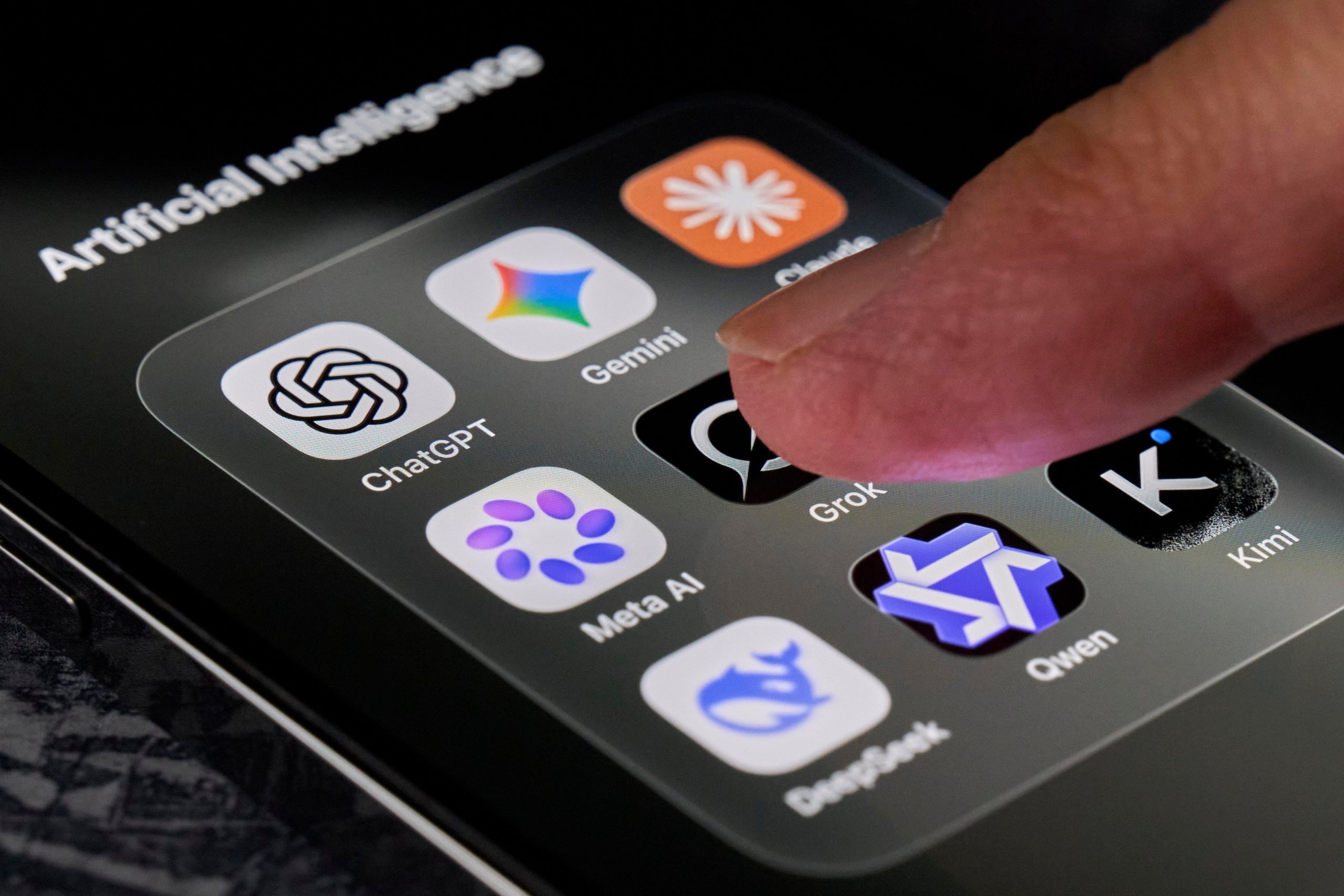
Remember a time, not so long ago, when life didn’t revolve around the glowing rectangle in your pocket? As recently as seven years ago, many everyday activities didn’t necessitate a smartphone. From ordering food and paying bills at a restaurant to entering a concert venue or even finding a parking spot, the digital umbilical cord wasn’t yet firmly attached. Today, these once simple tasks are increasingly managed through mandatory apps and QR codes, a shift that has sparked reflection and concern for many.
The current digital landscape, where smartphones have become indispensable tools for everything from work and education to healthcare and social interaction, presents a stark contrast to the recent past. This pervasive integration has led to a growing awareness of the potential downsides. For many, especially new parents like the author, the constant pull of the screen can be a source of guilt and worry, particularly when it encroaches on precious family time. The temptation to mindlessly scroll, even in the presence of a young child, highlights a deeply ingrained habit that many are struggling to break.
Beyond personal anxieties, a growing body of research underscores the negative impact of heavy smartphone use on our well-being. Studies consistently point to detriments in attention spans, increased feelings of isolation, and strained interpersonal relationships. These findings are not merely academic; they resonate with the lived experiences of millions who find themselves increasingly tethered to their devices, struggling to disconnect and engage with the world around them. The ease with which we once navigated life without constant digital mediation now feels like a distant memory, replaced by a complex web of app-dependent functionalities.
The Unseen Costs of Convenience
This rapid digital transformation, while offering undeniable conveniences, has also created a subtle yet powerful “smartphone trap.” The expectation that we will always be available, reachable, and digitally equipped has shifted from a preference to a near-universal requirement. Consider the simple act of attending a fitness class or accessing healthcare appointments; these are now frequently managed through dedicated apps, leaving those less tech-savvy or those seeking a digital detox at a disadvantage. The ease of a QR code menu or a digital ticket has, for some, replaced the tactile experience of a physical menu or a printed ticket, subtly altering our interaction with the physical world. This shift towards mandatory digital engagement raises questions about accessibility, digital divides, and the potential for social exclusion.
Reclaiming Our Attention and Our Lives
The growing awareness of our smartphone dependency is a crucial first step towards reclaiming our attention and improving our overall well-being. While complete abstinence may be unrealistic for most, conscious efforts to manage our device usage can make a significant difference. This might involve setting boundaries, dedicating screen-free times, disabling non-essential notifications, or actively seeking out activities that encourage offline engagement. As research continues to illuminate the profound effects of our digital habits, the conversation is shifting from mere inconvenience to a critical examination of how technology is shaping our lives, our relationships, and our very sense of self. The challenge lies in harnessing the benefits of smartphones without allowing them to dictate the terms of our existence.
CONCLUSION:
The pervasive integration of smartphones into nearly every facet of modern life, from dining out to accessing essential services, has created a new reality where digital engagement is often non-negotiable. While these advancements offer convenience, they also raise concerns about addiction, fractured attention spans, and social connection. As we navigate this tech-saturated landscape, a conscious effort to manage our smartphone usage and prioritize offline experiences is becoming increasingly vital for our personal well-being and the quality of our lives.
Based on materials: Vox



