
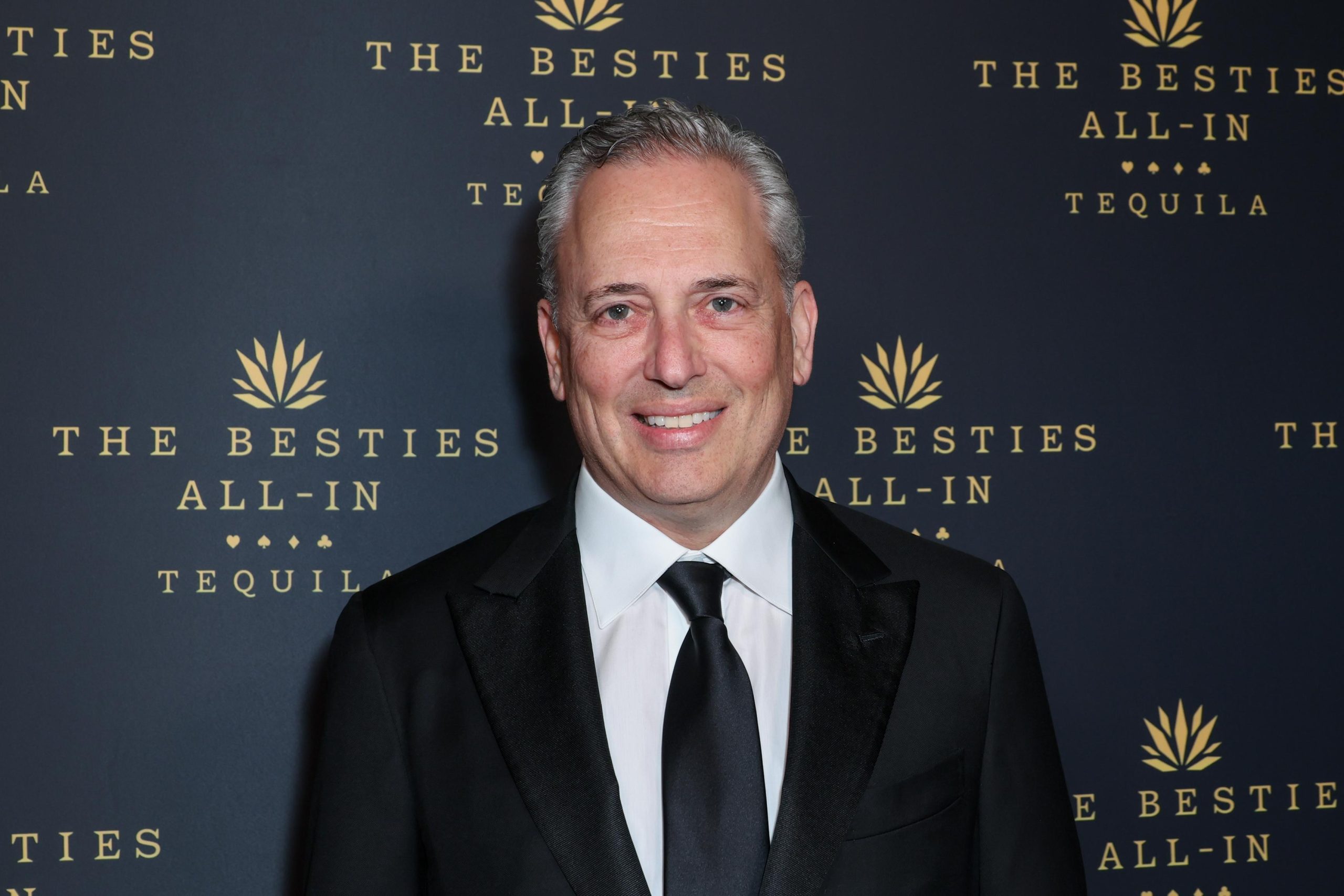
The burgeoning field of artificial intelligence, a frontier brimming with both promise and peril, is at a critical juncture. As titans of the tech industry voiced stark warnings about the potential for unchecked AI development to yield catastrophic consequences, a counter-narrative is gaining traction within influential circles, particularly concerning President Donald Trump. At the heart of this opposing viewpoint is David Sacks, a prominent venture capitalist and key AI advisor to the former president, who is actively advocating for a less regulated path forward.
Sacks, a figure deeply embedded in the tech landscape, notably as part of the “PayPal Mafia” and an advisor on Elon Musk’s acquisition of Twitter, has become a vocal proponent of prioritizing AI innovation over regulatory caution. His influence extends from his popular podcast, “All-In,” where he co-hosts discussions with other venture capitalists, to direct counsel provided to President Trump. This strategic engagement has seemingly resonated, with Trump reportedly now characterizing widespread AI doomsday fears as a “hoax.”
Shifting the Narrative on AI Risks
The urgency surrounding AI safety was amplified by a recent summit where leaders of major AI companies themselves sounded alarms about the existential risks posed by advanced artificial intelligence. This gathering appeared to create a window of opportunity for Washington to consider a more robust regulatory framework. However, Sacks has emerged as a leading voice actively pushing back against many of these proposed governmental interventions. His argument, often articulated through media appearances and his podcast, centers on the belief that stringent regulations could stifle the very innovation that holds the key to solving humanity’s most pressing problems. He suggests that focusing on potential future threats distracts from the immediate benefits AI can bring.
Sacks’ Vision: Unfettered Innovation and Economic Growth
David Sacks’ perspective represents a significant segment of the tech industry that views regulation as an impediment to progress. His alignment with a rightward political shift within parts of the tech sector further solidifies his position as an influential voice shaping the discourse around AI policy. By framing AI safety concerns as exaggerated or even fabricated, Sacks is attempting to steer the conversation away from potential downsides and towards the economic and societal advantages that unfettered AI development could unlock. This strategy is particularly potent when directly influencing a figure like Donald Trump, whose administration often favored deregulation.
Implications for the Future of AI
The impact of Sacks’ advocacy on the future of AI regulation remains to be seen. However, his close proximity to former President Trump suggests a potential for his views to significantly shape policy should Trump re-enter the political arena. The debate over AI safety is complex, balancing the imperative to innovate with the responsibility to mitigate potential harms. Sacks’ efforts highlight the intense lobbying and ideological battles underway as the world grapples with the transformative power of artificial intelligence, underscoring the tension between fostering rapid technological advancement and ensuring its safe and ethical deployment.
Based on materials: Vox



