
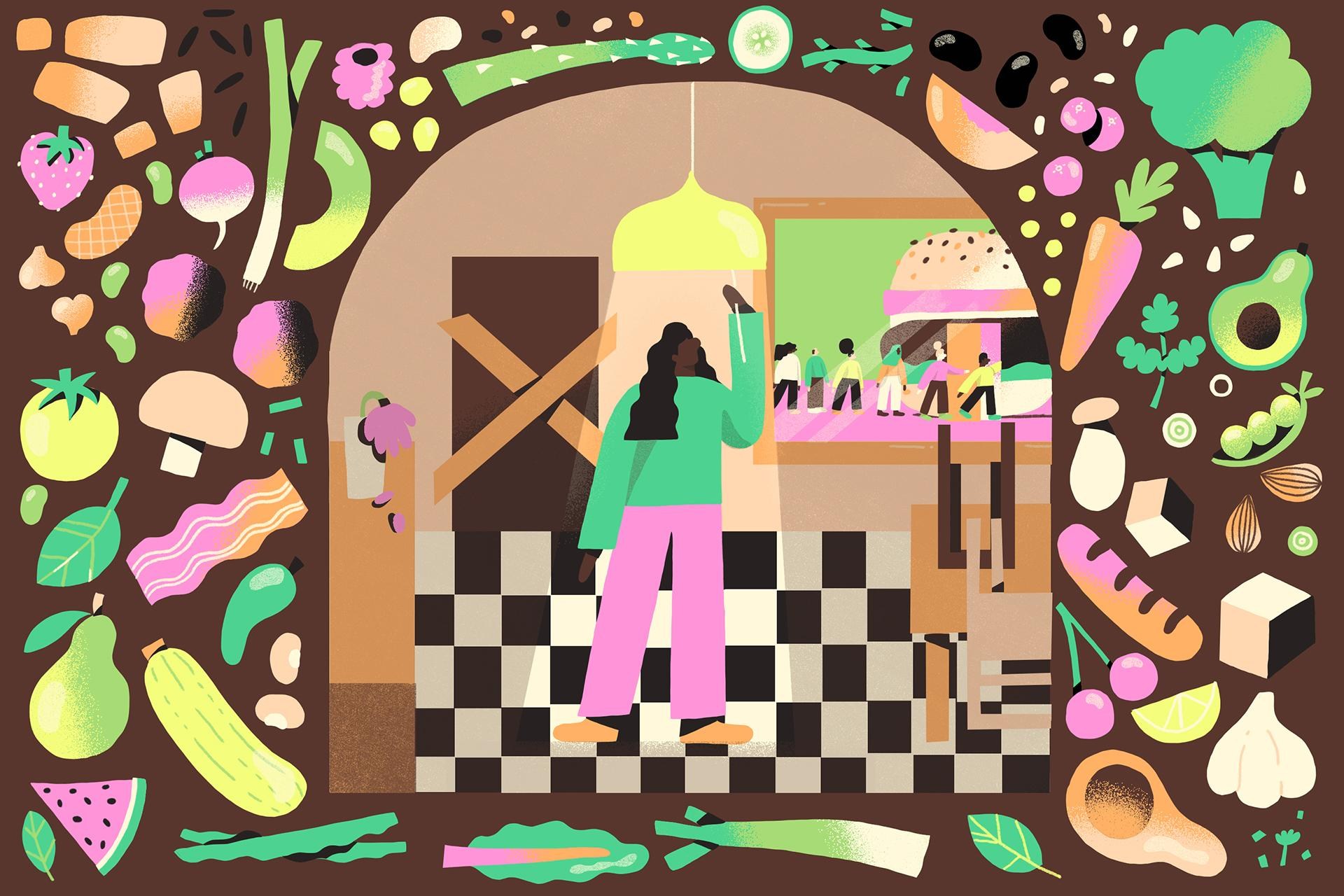
The closure of a beloved vegan eatery in Madison, Wisconsin, is more than just a personal loss for its patrons; it signals a concerning national trend for plant-based restaurants. The Mad Rabbit Cafe, a local haven for those seeking ethically sourced and entirely vegan meals, shuttered its doors this week, leaving a void in the community and sparking questions about the future of vegan dining across the United States.
A Shifting Landscape for Vegan Establishments
While Madison is known for its progressive politics, it remains firmly rooted in Wisconsin’s identity as “America’s Dairyland,” making the closure of a dedicated vegan restaurant particularly noteworthy. For the owner and patrons of the Mad Rabbit Cafe, it represented a space where deeply held values of sustainability and ethical consumption could be easily expressed. However, this local experience is echoing a broader phenomenon. Data from HappyCow, a popular app that tracks vegan and vegetarian dining options, indicates a significant contraction in the number of exclusively vegan restaurants operating nationwide. This decline is occurring in the wake of the COVID-19 pandemic, which significantly disrupted the food service industry, and potentially amidst a subtle but discernible cultural shift away from the fervent embrace of plant-based diets that characterized recent years.
Navigating Post-Pandemic Challenges and Evolving Consumer Tastes
The pandemic inflicted unprecedented challenges on the restaurant sector, with independent establishments, particularly those with niche offerings like vegan cuisine, facing immense pressure. Increased operating costs, labor shortages, and fluctuating consumer demand created a precarious environment. Beyond these economic hurdles, there’s a growing sentiment that the initial surge in veganism, fueled by health and environmental concerns, may be plateauing or even reversing. While veganism continues to be a significant movement, the intense focus and rapid growth seen in the late 2010s appear to be tempering. This could be attributed to a variety of factors, including economic belt-tightening, a perceived return to more traditional dietary habits, or a saturation of the market that has led to a decline in novelty.
The Road Ahead for Plant-Based Dining
The challenges facing vegan restaurants are multifaceted. While the demand for plant-based options remains strong, the operational realities of running a solely vegan establishment in a competitive market are proving difficult. Many restaurants that previously identified as vegan have begun to incorporate non-vegan options to broaden their appeal and mitigate financial risks. This strategic pivot, while understandable from a business perspective, contributes to the dwindling number of exclusively vegan dining experiences. The future of plant-based dining may lie in a more integrated approach, where vegan options are a robust and appealing part of a broader menu, rather than the sole focus. As consumer preferences and economic conditions continue to evolve, the resilience and adaptability of vegan businesses will be crucial for their survival and continued growth in the American culinary landscape.
SOURCE: Vox
Based on materials: Vox



