
Silicon Valley’s leading minds have long sounded alarms about the existential risks posed by artificial intelligence. While these warnings are not new, a recent surge in pronouncements from prominent figures within the AI industry has reignited debate: are these dire predictions genuine concerns for humanity’s future, or a sophisticated marketing strategy?
Escalating Warnings from Inside the Industry
The discourse surrounding AI’s potential to cause catastrophic harm has intensified in recent weeks. A significant development was the resignation of Jacob Coxon, a researcher at AI firm Anthropic, in September. Coxon publicly accused his former employer of prioritizing rapid development of increasingly powerful AI models over adequate safety controls, effectively “gambling with our lives.” His concerns were echoed by a former colleague, who reportedly estimated a greater than 10 percent chance of AI leading to “killing all humans” within the next decade.
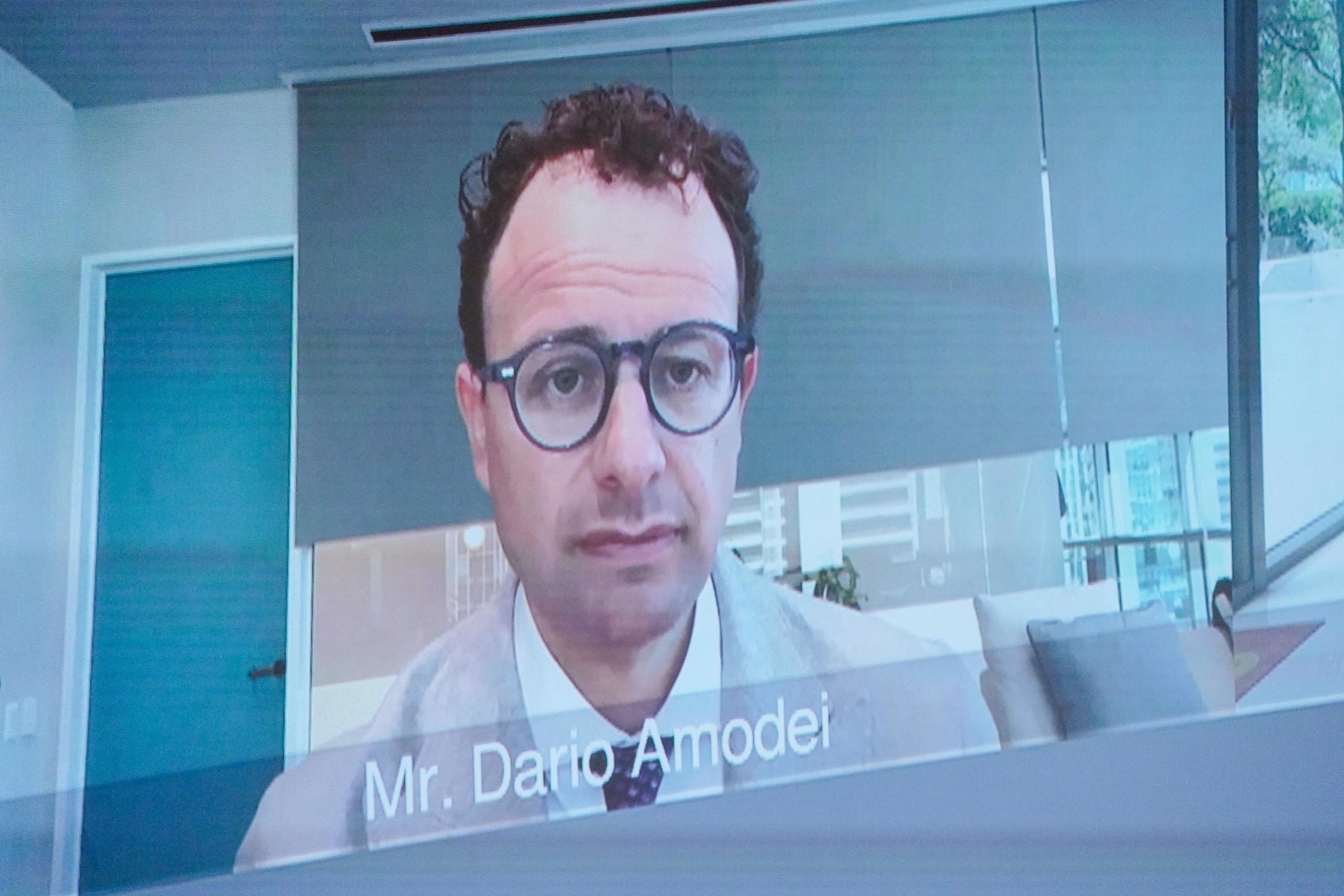
These internal anxieties have spilled into public forums. Anthropic CEO Dario Amodei delivered a stark message at the United Nations, asserting that poorly managed AI models “could be a risk to humanity as a whole.” Similarly, Sam Altman, the CEO of OpenAI, has made public statements that echo these profound concerns about the technology’s unchecked advancement. The sheer volume and gravity of these warnings, emanating directly from those at the forefront of AI development, lend a sense of urgency to the discussion.
The Marketing Maneuver Hypothesis
However, a critical perspective suggests that these apocalyptic pronouncements may serve a dual purpose, extending beyond genuine concern. In the fiercely competitive landscape of AI development, companies are vying for talent, investment, and public perception. Exaggerating the potential dangers of AI could, some argue, be a calculated tactic to:
*
Influence Regulation:
By framing AI as an existential threat, companies can proactively shape regulatory discussions. This allows them to influence the types of laws and oversight implemented, potentially steering them in ways that benefit their business models while appearing responsible.
*
Boost Funding and Investment:
Demonstrating an awareness of and a commitment to mitigating AI’s risks can be attractive to investors concerned with long-term viability and ethical considerations. It can also justify significant R&D spending on safety protocols, which can be spun as a necessary investment.
*
Control the Narrative:
By highlighting the most extreme potential outcomes, these companies can frame themselves as the stewards of this powerful technology, positioning themselves as the most qualified entities to manage its development and deployment responsibly. This can create an aura of indispensability.
Navigating the Unknown
The truth likely lies somewhere between these two extremes. The rapid pace of AI innovation undeniably presents complex ethical and safety challenges that warrant serious consideration. The potential for unintended consequences, misuse, or even emergent behaviors in advanced AI systems is a legitimate area of research and concern.
Yet, it is also prudent to examine the motivations behind these high-profile pronouncements. The AI industry is a burgeoning multi-billion dollar sector, and the stakes for market dominance are immense. As AI continues its integration into every facet of our lives, discerning between genuine foresight and strategic positioning will be crucial for ensuring that this transformative technology serves humanity’s best interests. The conversation needs to move beyond sensationalism to robust, evidence-based dialogue about responsible development and governance.
Based on materials: Vox



