
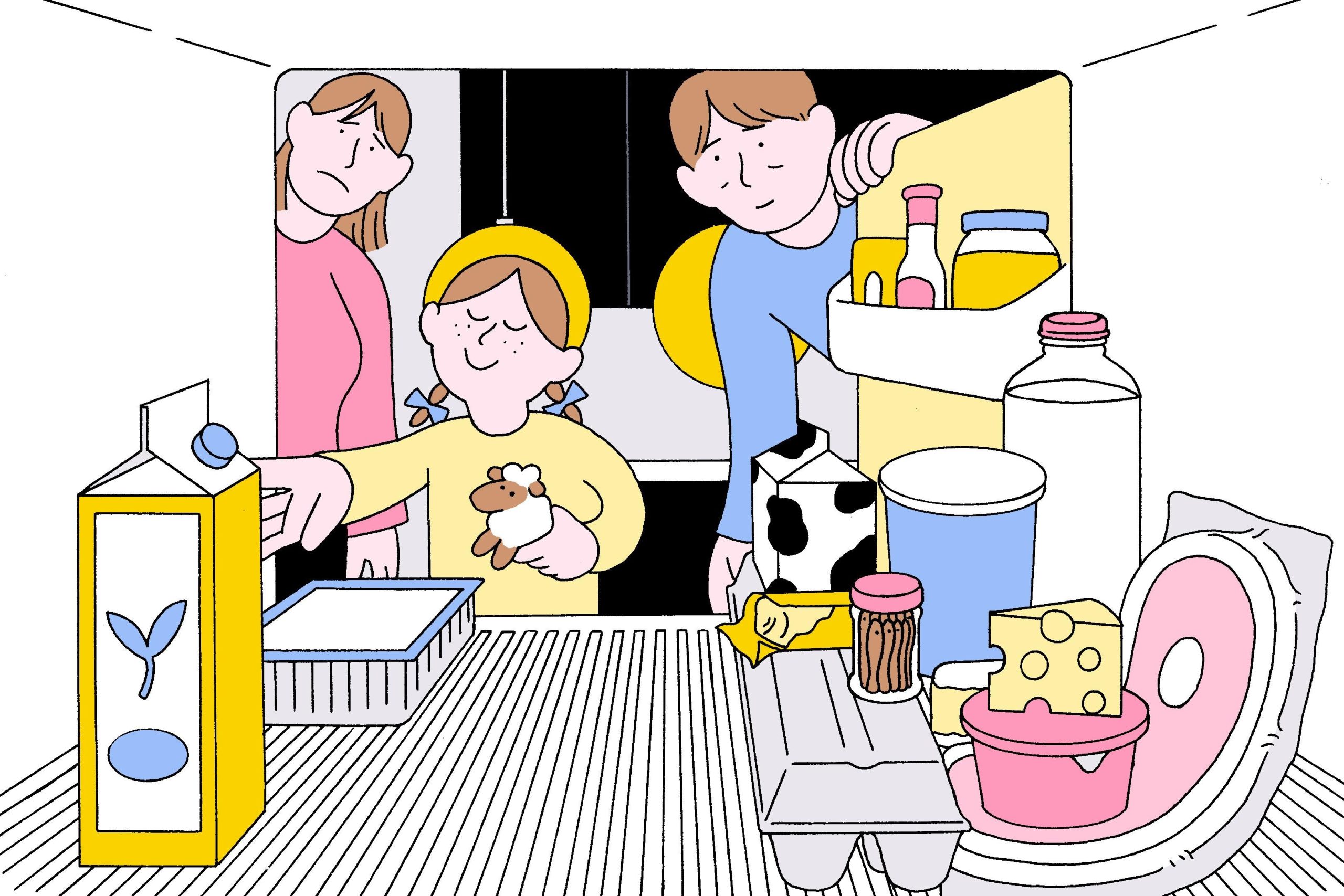
The decision to let a child explore veganism can be a complex one, especially when parents aren’t following the same dietary path. For one family, a nine-year-old’s newfound commitment to a plant-based lifestyle, sparked by school friends, presents a unique parenting challenge. While the desire to support a child’s developing ethical compass is strong, balancing this with concerns about balanced nutrition and introducing a variety of flavors adds layers of consideration.
The child’s independent decision to go vegan, without prior family inclination, highlights a growing trend of young people engaging with food choices based on ethical and environmental awareness. This situation prompts a deeper look at how parents can foster such convictions while ensuring a child’s healthy development. The core tension lies in encouraging ethical exploration versus the established parental role in guiding a child’s palate towards a diverse and nutritious diet. With no known allergies, the primary concern shifts from medical necessity to a question of accommodation and potential long-term dietary habits.
Supporting Ethical Choices, Navigating Nutrition
Encouraging a child’s ethical decision-making is a valuable aspect of parenting. However, the practicalities of a vegan diet for a growing child require careful planning. Experts often emphasize that while a vegan diet can be healthy, it necessitates attention to certain nutrients, such as vitamin B12, iron, calcium, and omega-3 fatty acids, which are more readily available in animal products. Parents might need to explore fortified foods or supplements to ensure their child receives adequate nutrition. This isn’t about dictating food choices but about collaborative exploration, where parents can help their child understand the nutritional components of a balanced vegan diet. The goal is to empower the child with knowledge, fostering a sustainable and healthy approach to their chosen lifestyle, rather than creating an environment of restriction or excessive accommodation that could lead to future dietary conflicts.
The Role of Parental Guidance and Compromise
The scenario also brings to the forefront the parental responsibility to introduce a wide range of foods and flavors during childhood. This is a critical period for developing healthy eating habits and preventing picky eating later in life. For parents who are not vegetarian, accommodating a child’s veganism might involve learning new recipes, exploring different ingredients, and potentially making compromises in meal preparation. It’s about finding a middle ground where the child’s ethical stance is respected, and the family’s commitment to balanced nutrition is maintained. This could involve family meals where vegan options are central, or designated “vegan nights” to ease the transition. Open communication and a willingness to learn together can transform this challenge into an opportunity for family bonding and shared growth.
Looking Ahead: A Foundation for Lifelong Habits
Ultimately, the decision to support a child’s veganism, even when parents have different dietary preferences, is an investment in their developing autonomy and values. By approaching the situation with education, open dialogue, and a willingness to adapt, parents can help their child establish a healthy and sustainable relationship with food. This experience can lay the groundwork for a lifetime of informed dietary choices, fostering not only ethical awareness but also a comprehensive understanding of nutrition and well-being. The key is to move beyond simple accommodation and towards collaborative exploration, ensuring the child’s ethical journey is supported by a foundation of sound nutritional practices.
Based on materials: Vox



