
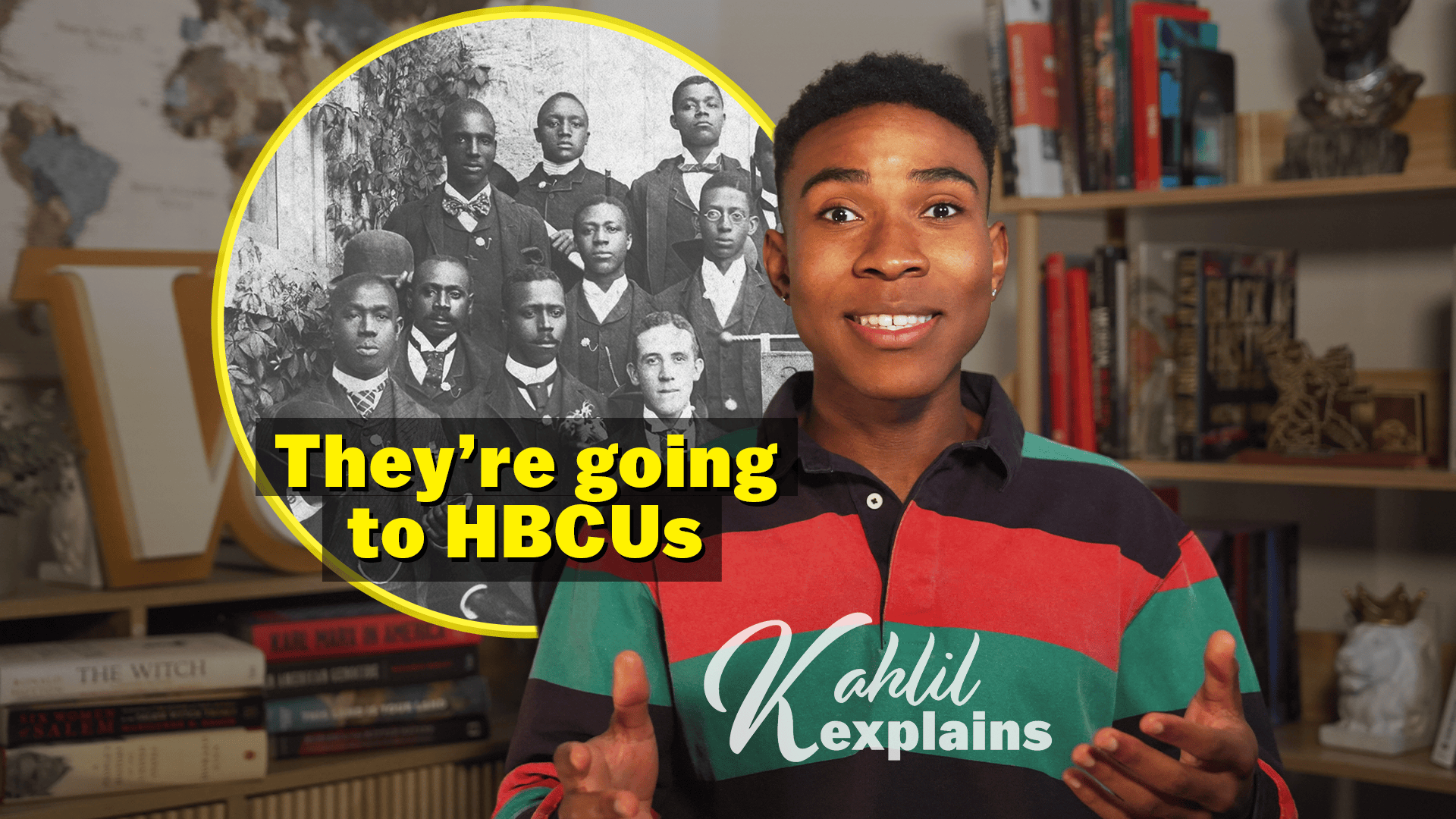
Once again, Historically Black Colleges and Universities (HBCUs) are experiencing a significant resurgence, with many institutions reporting record-breaking freshman enrollment numbers. This surge signals a renewed interest in these vital centers of Black higher education. However, this positive trend exists alongside a concerning counter-narrative: Black freshman enrollment has actually declined by 27 percent at the nation’s 50 most selective institutions. These contrasting shifts are not accidental; they are deeply rooted in the evolving socio-political and educational landscape that has shaped the Black student experience in American higher education for decades.
A Legacy Shaped by Segregation and Civil Rights
The history of HBCUs is inextricably linked to the era of segregation. Established to provide Black Americans with educational opportunities denied to them at predominantly white institutions, these universities became crucial incubators of talent, leadership, and Black identity. The Civil Rights Movement brought about legal desegregation, ostensibly opening doors for Black students at all colleges and universities. Yet, this era also marked the beginning of a complex relationship between Black students and mainstream higher education, where navigating predominantly white environments often presented unique challenges. As government mandates evolved and, in some cases, affirmative action policies were challenged or dismantled, the dynamics of college admissions and campus experiences continued to shift, directly impacting Black students’ access and success.
The Modern Dilemma: Choice and Challenge
The current enrollment boom at HBCUs can be attributed to a confluence of factors. Many students and families are seeking environments that offer a strong sense of community, cultural affirmation, and a curriculum that often centers Black experiences and perspectives. The rise of social media has also played a role in amplifying the success stories and vibrant campus life of HBCUs, making them more visible and attractive to a new generation. Simultaneously, the decline in Black enrollment at highly selective institutions raises critical questions about access, affordability, and the climate within these schools. The dismantling of affirmative action policies in particular has created a more challenging admissions landscape for Black students seeking entry into these competitive universities, potentially pushing them toward institutions where they feel more welcomed and supported.
Looking Ahead: Navigating an Evolving Future
The current moment for HBCUs is a testament to their enduring legacy and their crucial role in fostering Black intellectual and professional development. The record enrollments suggest a powerful reaffirmation of their value. However, the concurrent decrease in Black student representation at top-tier institutions highlights ongoing systemic issues within the broader higher education system. Understanding these intertwined trends requires a deep dive into the historical context, the impact of policy changes, and the lived experiences of Black students. As Kahlil Greene explores in his “Kahlil Explains” series, these shifts are not just statistics; they are indicators of how politics and culture continue to shape access and opportunity in higher education, demanding continued dialogue and action to ensure equitable pathways for all students.
Based on materials: Vox



