
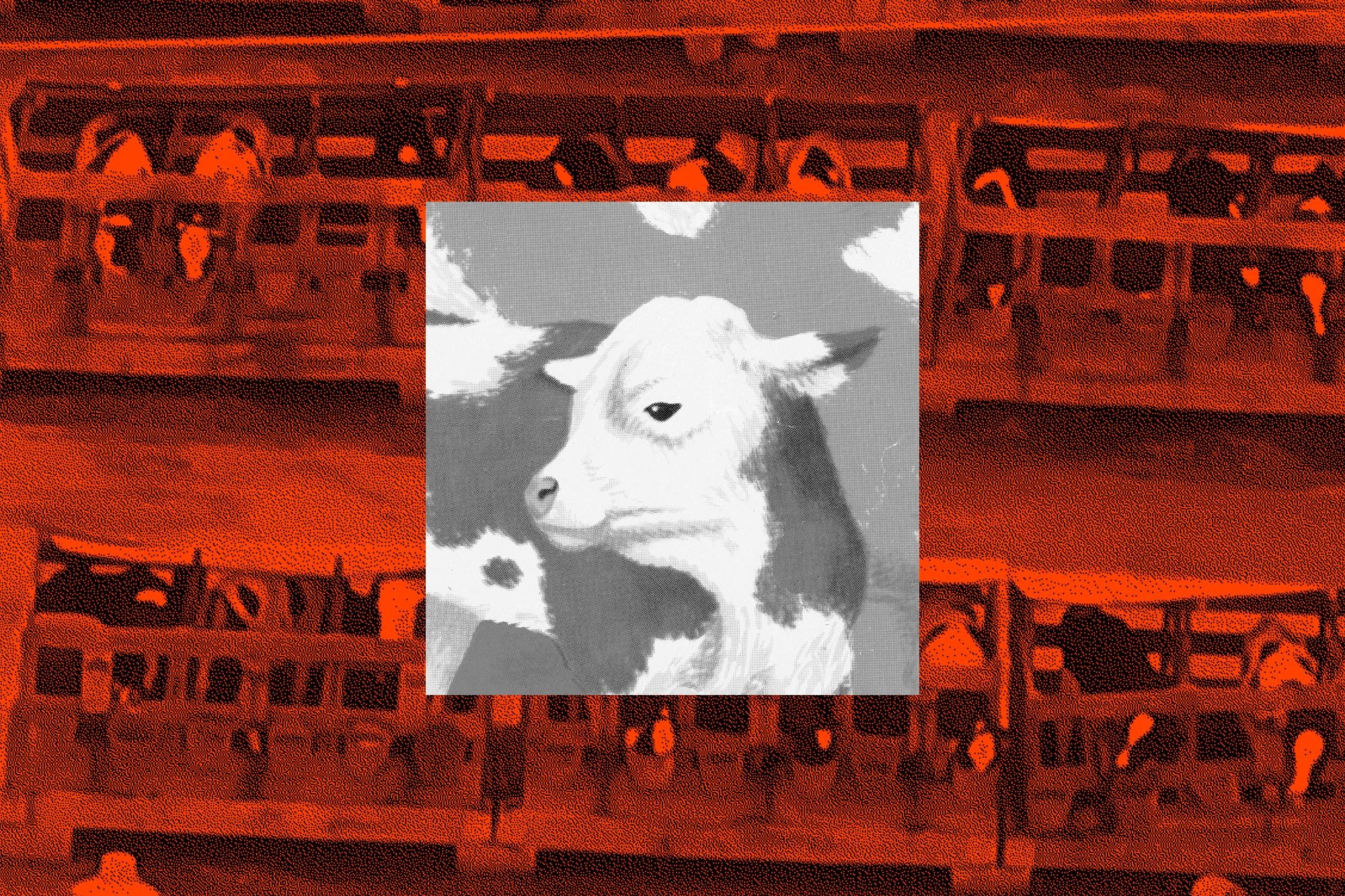
A seemingly obscure California law, intended to protect animals from cruelty, is quietly casting a shadow over the state’s massive dairy industry. While California is widely recognized for its progressive policies, it also holds the undisputed title of America’s top dairy producer, operating some of the nation’s largest mega-dairies. Now, a closer examination of existing legislation suggests that a core, and often criticized, practice within this industry might already be in violation of the law.
The Unspoken Reality of Dairy Production
The dairy industry, by its very nature, relies on a perpetual cycle of reproduction. Like all mammals, dairy cows must give birth to produce milk. This means that virtually every dairy cow is subjected to a yearly regimen of forced impregnation and calving. This fundamental aspect of dairy farming, while accepted as standard practice, is coming under renewed scrutiny. The sheer scale of California’s dairy operations, housing approximately 1.7 million cows, amplifies the implications of this cycle. Critics have long pointed to the inherent cruelty of separating newborn calves from their mothers shortly after birth, a common procedure on large-scale dairies that allows human farmers to efficiently collect milk.
A Law Waiting for Enforcement?
At the heart of this potential upheaval lies California’s animal cruelty statute. While the state is often seen as a leader in environmental and social regulations, its enforcement of animal welfare laws within its agricultural sector has been a point of contention. The current animal cruelty law, if interpreted broadly to encompass the standard practices of forced impregnation and early calf separation, could render these foundational dairy operations illegal. However, historical inaction by state officials suggests a reluctance or lack of prioritization in investigating these practices under the existing legal framework. This creates a curious paradox: a law on the books that may already prohibit widely accepted industry norms, yet remains largely unenforced.
Implications for the Industry and Beyond
The ramifications of such a law being rigorously enforced are significant. It could force substantial changes in how dairy farms operate, potentially leading to increased costs for producers and, consequently, for consumers. This could also spark a broader conversation about animal welfare standards across all agricultural sectors and prompt a re-evaluation of the ethical considerations inherent in food production. The spotlight now turns to California’s regulatory bodies to see if they will acknowledge and act upon the potential legal challenges to one of their state’s most significant industries, or if the status quo will prevail. The future of California’s dairy landscape may hinge on a closer, and perhaps more critical, look at the laws already in place.
Based on materials: Vox



