
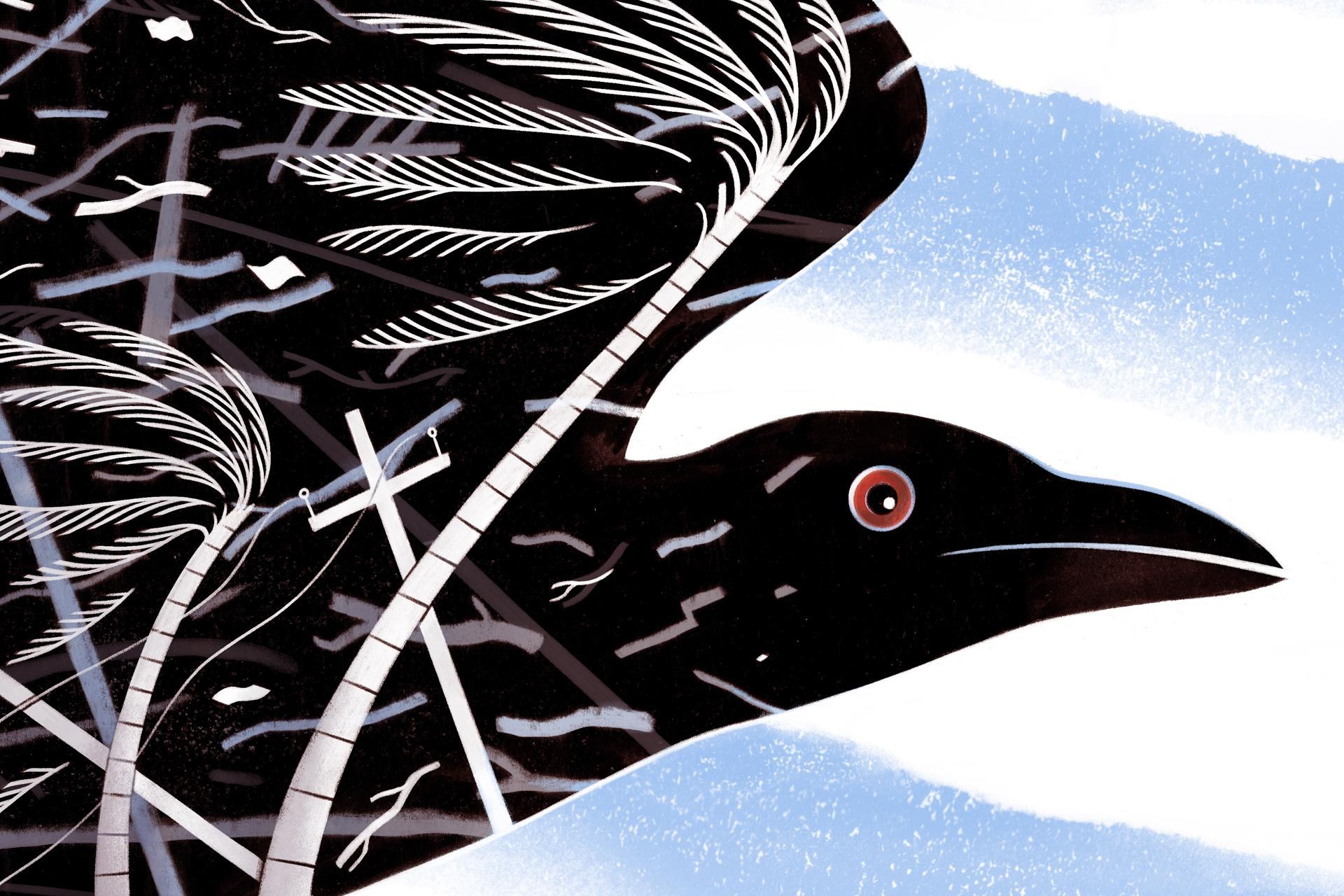
The haunting call of the Mariana crow, known as the Åga to the Indigenous CHamoru people, has long served as a vital omen. More than just a bird’s cry, it’s an ancestral messenger, historically signaling impending illness or natural disaster. In the verdant limestone forests of Rota, this unique avian species is also an unsung hero of its ecosystem, acting as a crucial seed disperser that sustains the very canopy it inhabits.
Endemic to Guam and the U.S. territory of Rota, the Mariana crow is found nowhere else on Earth. Once a thriving population numbering in the thousands, the species has faced a devastating decline over the past six decades. While they have completely disappeared from Guam, a mere estimated 300 individuals now cling to survival on Rota. Each of these remaining birds represents not only a critical link in a fragile ecosystem but also a thread in the rich cultural tapestry of the Mariana Islands. The potential loss of the Åga is a profound blow, threatening to erase a significant part of the islands’ natural heritage and cultural identity.
A Race Against Time Interrupted
For years, scientists and conservationists have been engaged in a desperate race against time to pull the Mariana crow back from the precipice of extinction. Researchers from the University of Washington, in collaboration with ecologists from the San Diego Zoo Wildlife Alliance, have been implementing intensive conservation strategies. These efforts have focused on understanding the birds’ habitat needs, breeding patterns, and the threats they face, including habitat loss and invasive species. The goal has been to bolster the wild population and establish captive breeding programs to ensure the species’ long-term survival.
The Unforeseen Blow of Nature’s Fury
Just as these dedicated efforts began to show glimmers of hope, a catastrophic natural event delivered a devastating setback. The arrival of a super typhoon, a storm of unprecedented intensity, has thrown the already precarious future of the Mariana crow into even greater peril. The sheer power of the typhoon has undoubtedly wreaked havoc on Rota’s delicate limestone forests, the sole remaining stronghold of the Åga. Destroyed nesting sites, uprooted trees, and widespread habitat destruction are inevitable consequences. The storm’s impact on the limited food sources available to the crows, such as insects and fruits, is also a significant concern.
The immediate aftermath of such a powerful storm poses immense challenges for conservationists. Assessing the exact toll on the crow population will be a difficult and urgent task. Survival rates for a species already on the brink are likely to be severely impacted. This tragedy underscores the vulnerability of endangered species to the escalating forces of climate change, which are predicted to increase the frequency and intensity of extreme weather events like super typhoons. The fate of the Mariana crow now hinges on the resilience of the remaining individuals and the swift, dedicated response of the conservation community to mitigate the storm’s devastating impact and continue the vital work of saving this irreplaceable species.
Based on materials: Vox



