
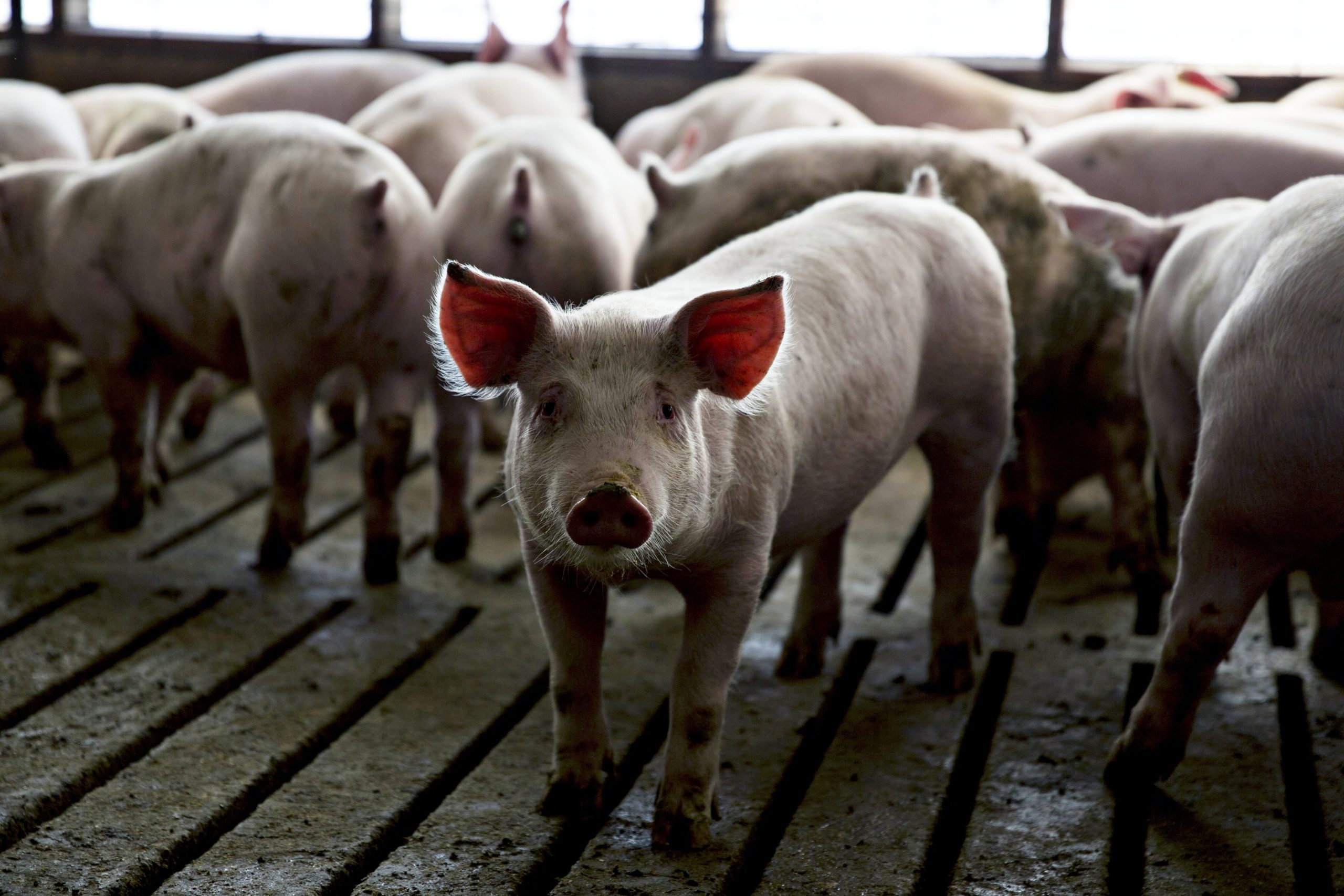
Livestock Antibiotic Use Soars, Raising Health Concerns
A decade ago, the United States took a significant step towards curbing the overuse of antibiotics in meat and dairy production, driven by the urgent need to combat the growing threat of antibiotic resistance. Initial results were promising, with antibiotic sales for agricultural use plummeting by 43% between 2015 and 2017. However, recent data paints a worrying picture: progress is not only stalling, but reversing at an alarming rate.
FDA Data Reveals Significant Increase
Newly released figures from the Food and Drug Administration (FDA) indicate a dramatic surge in antibiotic sales for livestock use, climbing by a staggering 15.8% in 2024 compared to the previous year. This sudden spike has sparked concern among scientists and public health experts who closely monitor antibiotic usage patterns. Meghan Davis, a veterinarian and professor at Johns Hopkins Bloomberg School of Public Health, expressed her disappointment, stating that the increase is substantial and concerning.
The Threat of Antibiotic Resistance
The primary concern surrounding antibiotic overuse in agriculture is the acceleration of antibiotic resistance. When animals are routinely given antibiotics, bacteria within their systems are exposed to these drugs, leading to the development of resistant strains. These resistant bacteria can then spread to humans through direct contact with animals, consumption of contaminated meat, or through the environment. The consequences are dire: infections become harder to treat, requiring stronger, more expensive medications, and in some cases, becoming untreatable altogether. This poses a significant threat to public health, potentially turning common infections into life-threatening conditions.
Analyzing the Reversal
While the FDA data clearly indicates a worrying trend, the underlying causes for this reversal require further investigation. Several factors could be at play, including changes in farming practices, increased disease outbreaks among livestock, or potential loopholes in existing regulations. Some experts suggest that economic pressures may be influencing farmers to prioritize short-term gains over long-term public health concerns. Understanding the specific drivers behind this increase is crucial for developing effective strategies to mitigate the risks and get antibiotic usage back on a downward trajectory.
Conclusion: A Call for Action
The recent surge in antibiotic use in livestock is a stark reminder that the fight against antibiotic resistance is far from over. It underscores the need for continued vigilance, stricter regulations, and greater transparency in the agricultural sector. A multi-pronged approach, involving collaboration between policymakers, farmers, scientists, and the public, is essential to ensure the responsible use of antibiotics and protect public health. This includes promoting alternative farming practices that prioritize animal health and hygiene, enhancing surveillance of antibiotic use, and raising awareness about the risks of antibiotic resistance. Failure to address this issue could have devastating consequences for future generations.
Based on materials: Vox



