
Democrats’ Climate Silence: A Winning Strategy for Midterms?
As the midterm elections loom, a surprising strategy is emerging from the Democratic camp: a deliberate downplaying of climate change rhetoric. With kitchen table issues like inflation and cost of living dominating voter concerns, some within the party believe that focusing on economic anxieties, rather than environmental urgencies, is the key to electoral success. But is this strategic silence a necessary evil, or a dangerous gamble that could backfire in the long run?
Economic Anxieties Trumping Environmental Concerns
The shift in messaging reflects a pragmatic assessment of the current political landscape. For many voters, particularly those struggling with rising prices, the immediate concern is putting food on the table, not mitigating the long-term effects of a warming planet. Democratic strategists recognize this reality and are prioritizing policies aimed at alleviating economic hardship. This means emphasizing job creation, affordable healthcare, and measures to combat inflation, while relegating climate change to a secondary concern.
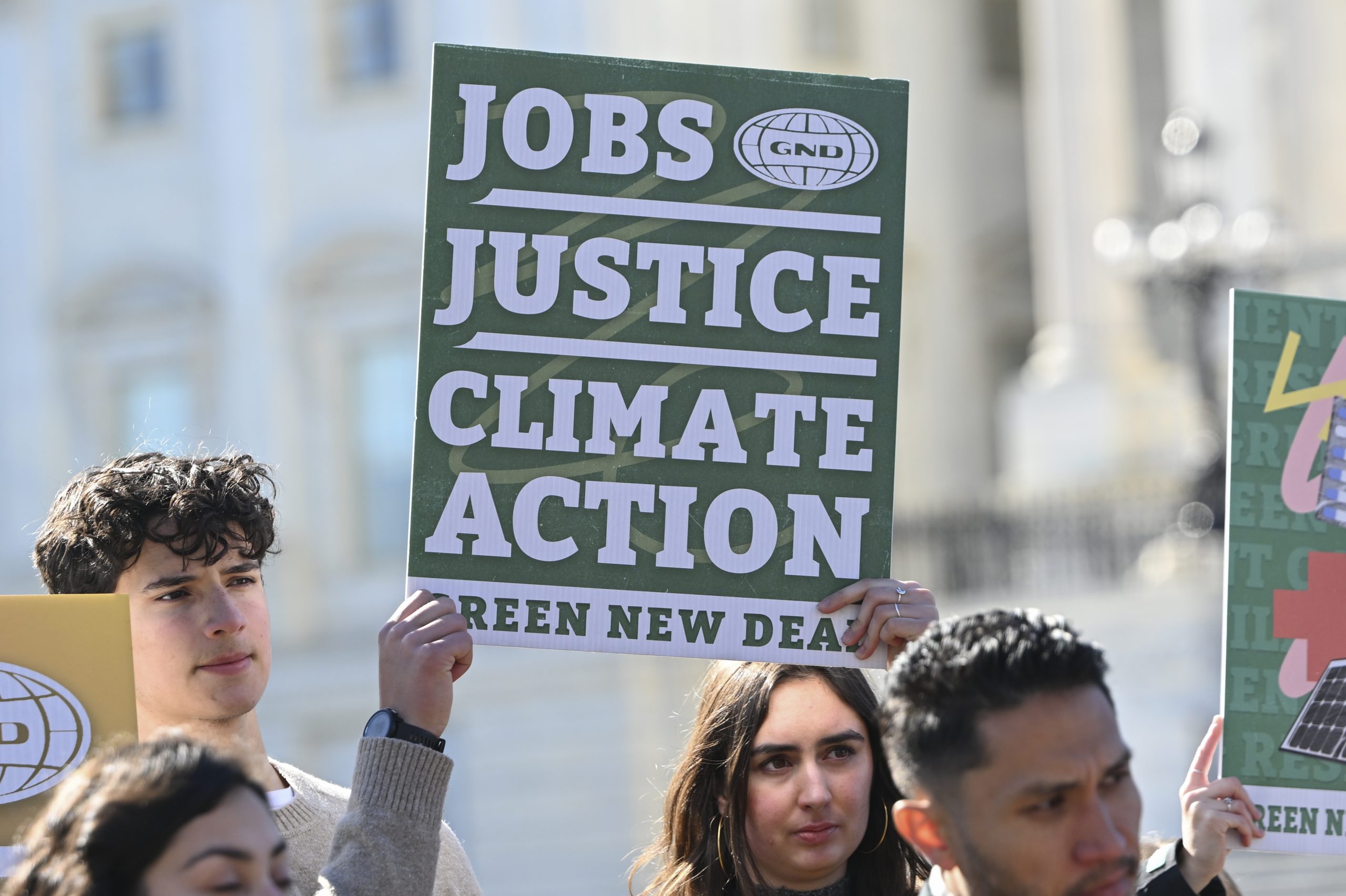
Matt Huber, a professor at Syracuse University, argues that this approach might actually benefit both Democrats and the climate movement. In his recent New York Times essay, Huber suggests that Democrats can effectively address climate change without explicitly campaigning on it. His reasoning? Framing climate action as a class issue, focusing on creating green jobs and ensuring a just transition for workers in fossil fuel industries, resonates more strongly with working-class voters than abstract appeals to environmental responsibility.
The Risk of Alienating the Base
However, the decision to de-emphasize climate change also carries significant risks. It could alienate younger voters and environmental activists who are deeply passionate about the issue and see it as an existential threat. These groups are a crucial part of the Democratic base, and their enthusiasm and engagement are essential for driving voter turnout. A perceived lack of commitment to climate action could lead to disillusionment and apathy, potentially undermining the party’s electoral prospects.
Furthermore, critics argue that ignoring climate change is not only politically shortsighted but also morally irresponsible. They contend that the climate crisis demands immediate and decisive action, and that downplaying its importance sends the wrong message to the public and the international community. Moreover, failing to address climate change now could exacerbate economic inequalities in the future, as vulnerable communities disproportionately bear the brunt of its impacts.
A Balancing Act
Ultimately, the Democrats’ climate silence represents a delicate balancing act. On one hand, it acknowledges the immediate economic concerns of voters and seeks to broaden the party’s appeal to a wider electorate. On the other hand, it risks alienating core supporters and undermining the long-term fight against climate change. Whether this strategy will prove successful remains to be seen. But one thing is clear: the Democrats’ approach to climate change in the coming months will have profound implications for both the party’s electoral fortunes and the future of the planet.
Based on materials: Vox



