
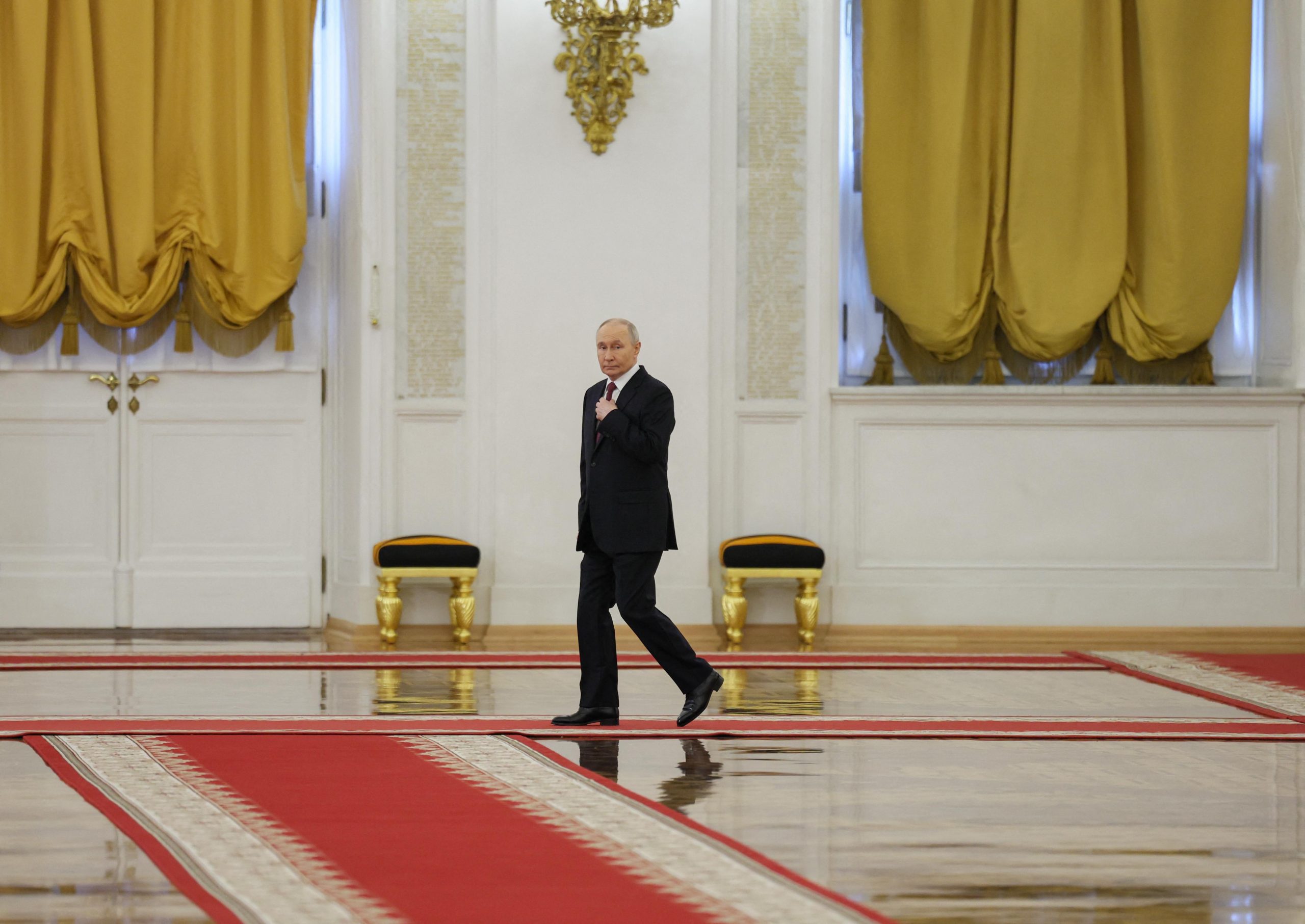

The pursuit of a longer, healthier life, often termed “longevity,” is experiencing a significant surge in mainstream attention. From Silicon Valley billionaires like Peter Thiel, Mark Zuckerberg, and Jeff Bezos investing heavily in anti-aging research to celebrities endorsing peptide use, the fascination with extending human lifespan is palpable. Now, it appears that even the world’s most powerful authoritarian figures are embracing this trend.
Recent discussions, notably a hot-mic moment captured between Russian President Vladimir Putin and Chinese President Xi Jinping, have highlighted their interest in the potential of organ replacement to enable lifespans of 150 years or more. This exchange, as reported by Bojan Pancevski, the Wall Street Journal’s chief European political correspondent, piqued his long-standing curiosity about Putin’s focus on his own health and longevity. Pancevski’s subsequent investigation suggests that Putin’s engagement with this topic is far from casual.
The Authoritarian Embrace of Longevity
The phenomenon of powerful leaders engaging with longevity science raises intriguing questions about motivation and implications. While the tech elite often frame their investments in terms of scientific advancement and the betterment of humanity, the involvement of authoritarian regimes adds a layer of complexity. For leaders like Putin, the desire for extended life could be intertwined with a strategic vision for maintaining power and influence, ensuring their ideologies and political systems endure.
This interest isn’t entirely new. Reports and observations over the years have suggested a keen attention to personal health and well-being within the upper echelons of the Russian government. The embrace of longevity research by such figures could signify a belief in its potential to provide a tangible advantage, not just for individuals but for the state itself, by preserving experienced leadership and continuity.
Scientific Advancements and Political Ambitions
The burgeoning field of longevity research encompasses a wide array of scientific disciplines, from genetics and cellular biology to regenerative medicine and artificial intelligence. Breakthroughs in understanding the aging process and developing interventions to slow or even reverse it are no longer confined to science fiction. The substantial funding from private investors and the growing academic interest signal a serious commitment to these pursuits.
For political leaders, the potential to significantly extend their active years could have profound implications for governance, succession planning, and geopolitical strategy. The prospect of leaders remaining in power for unprecedented durations could reshape political landscapes and international relations. This intersection of cutting-edge science and high-stakes politics warrants careful observation and analysis.
Conclusion: A New Frontier in Power and Science
Vladimir Putin’s reported seriousness about longevity, coupled with his discussions with other global leaders, underscores a significant trend: the convergence of advanced scientific ambition and political power. As research into extending human life progresses, its adoption and application by those in positions of authority will undoubtedly shape the future of both science and society. The quest for an extended lifespan, once a personal aspiration, is now entering a new, politically charged, and potentially transformative phase.
Based on materials: Vox



