
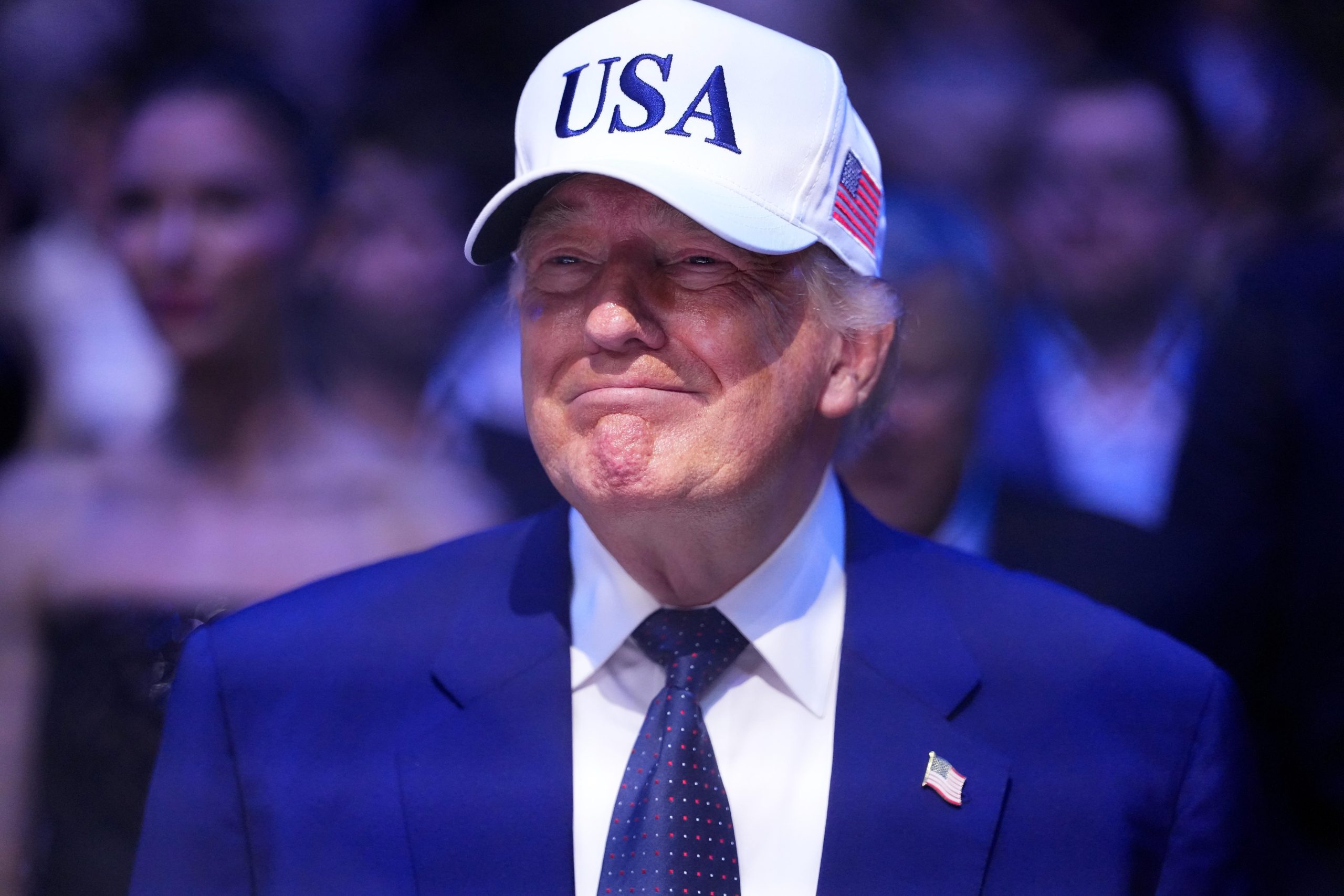
Donald Trump, known for his unconventional communication style, is once again pushing the boundaries of political discourse. During his second presidential term, the former president has adopted a surprising stance on a pressing economic issue: inflation. Instead of addressing widespread public concern over rising prices for everyday goods, Trump has seemingly embraced the economic phenomenon, suggesting it is a secondary concern to his broader foreign policy objectives.
This approach echoes his past political tactics, famously articulated during his first presidential campaign. At that time, he asserted he could “stand in the middle of Fifth Avenue and shoot somebody” and still retain his supporters. While an exaggeration, this statement highlighted his unique ability to connect with a segment of the electorate by articulating sentiments that mainstream politicians would typically avoid. Now, with inflation impacting households across the nation, Trump’s dismissive comments about Americans’ financial worries are a continuation of this strategy, positioning himself as a leader unburdened by conventional political anxieties.
A Deliberate Dismissal of Economic Woes
Trump’s recent public statements indicate a deliberate shift in focus, prioritizing global affairs over domestic economic anxieties. When questioned about the financial strain on American families, he has repeatedly downplayed the significance of their concerns. Comments such as “I don’t think about Americans’ financial situation,” made in recent weeks, starkly contrast with the expectations of a president addressing economic hardship. This rhetoric suggests a calculated strategy to frame inflation not as a failure of his administration, but as a manageable consequence of more significant geopolitical endeavors.
The political calculus behind this stance is multifaceted. By seemingly disregarding the immediate financial pressures faced by many, Trump might be attempting to project an image of strength and unwavering focus on his core agenda, including international relations and conflict resolution. This strategy could resonate with voters who prioritize decisive leadership and a strong stance on the global stage, even at the cost of short-term economic discomfort. It also allows him to avoid direct responsibility for an issue that could otherwise become a significant vulnerability.
Inflation as a Political Lever
The framing of inflation as a lesser concern, or even a deliberate consequence of larger policy goals, can be interpreted as a sophisticated, albeit controversial, political maneuver. In the past, economic hardship has often been a significant factor in voter sentiment and election outcomes. Trump’s apparent willingness to skirt around these concerns, and even express a peculiar affinity for the very issue causing hardship, suggests a belief that his core supporters are either insulated from its worst effects or are willing to overlook it in favor of his broader vision.
This strategy also serves to redefine the narrative around economic policy. Instead of being a matter of managing the economy for the benefit of the average citizen, Trump appears to be repositioning it as a byproduct of national and international objectives. This allows him to sidestep detailed economic explanations and instead focus on the perceived successes or necessities of his foreign policy. Whether this unconventional approach will ultimately prove effective in garnering widespread public support remains to be seen, but it undeniably marks a bold departure from traditional political communication on economic matters.
In conclusion, Donald Trump’s public embrace of inflation as a non-issue, or even a positive outcome linked to broader foreign policy aims, represents a significant departure from conventional political discourse. By dismissing the immediate financial concerns of Americans, he is leveraging his established ability to connect with voters through unconventional and often provocative statements. This strategy, while risky, aims to project an image of decisive leadership focused on global affairs, potentially resonating with a segment of the electorate that prioritizes strong international action over domestic economic comfort. The long-term impact of this unique political framing of inflation will be a critical factor to watch in future political developments.
Based on materials: Vox



