
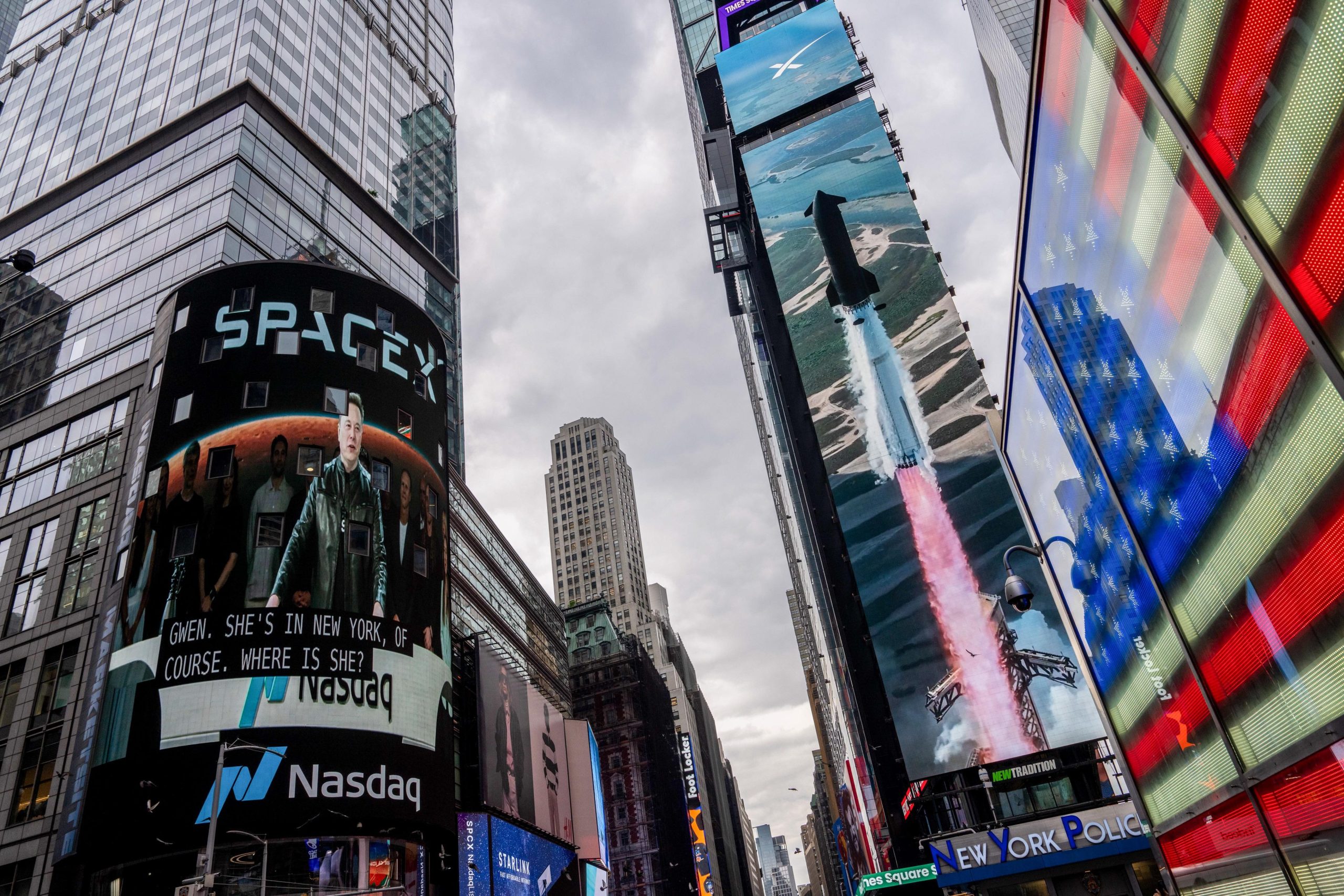
Elon Musk has officially crossed a monumental financial threshold, becoming the world’s first trillionaire. This unprecedented wealth stems from the record-breaking $2 trillion debut of his rocket company, SpaceX, on the NASDAQ. With a staggering net fortune now estimated at $1.4 trillion and continuing to climb, Musk’s personal wealth surpasses the entire economy of Switzerland and dwarfs that of other billionaires. This astronomical sum raises profound questions not just about his personal endeavors, but about the potential impact of such immense wealth on a global scale.
The Unprecedented Scale of Trillionaire Wealth
The sheer magnitude of Musk’s fortune is difficult to comprehend. To put it in perspective, he possesses more than 13 times the wealth of Bill Gates. For an average individual, his net worth is over 11 million times greater. This allows for purchasing power that extends to extraordinary luxuries – acquiring every ticket for every World Cup match, every seat on Taylor Swift’s Eras Tour, and every Broadway show for a decade, all while leaving a significant portion of his fortune untouched. However, it’s crucial to note that the vast majority of this wealth is tied up in equity within his companies, rather than readily accessible cash. This distinction is vital when considering the practical application of such a sum.
A World of Possibilities: Grand Gestures and Global Impact
With a trillion dollars, the hypothetical applications are both astounding and potentially world-altering. Imagine the impact on global challenges: ending world hunger, providing housing for the homeless, or significantly accelerating the quest for cures for diseases like cancer. These are not mere pipe dreams; with such resources, they become tangible possibilities. Musk could, in theory, directly fund massive humanitarian initiatives, invest in groundbreaking scientific research on an unprecedented scale, or even establish new industries focused on solving pressing global issues. The potential for positive societal transformation is immense, limited only by imagination and, perhaps, the practicalities of deploying such capital effectively.
The Unlikely Path: Why Trillionaire Philanthropy Remains a Rarity
Despite the staggering potential, the article highlights a crucial caveat: these grand gestures are highly unlikely to materialize. Musk’s current trajectory suggests a continued focus on expanding his existing ventures – SpaceX, Tesla, Neuralink, and The Boring Company – rather than a radical shift towards large-scale philanthropic endeavors. The nature of his wealth, predominantly in company stock, also presents practical hurdles for immediate, broad-scale deployment of funds for social good. While he has contributed to various causes, the scale of his personal fortune suggests a capacity for impact far beyond his current philanthropic footprint. The question remains: will the allure of further innovation and expansion outweigh the opportunity to address some of humanity’s most persistent problems with the ultimate financial tool?
In conclusion, Elon Musk’s ascension to trillionaire status is a landmark event, underscoring the immense concentration of wealth in the modern economy. While the hypothetical applications of such a fortune offer a glimpse into a potentially brighter future for humanity, the reality likely lies in continued entrepreneurial pursuits. The conversation, however, is now irrevocably linked to the extraordinary power and potential responsibility that comes with such unprecedented financial might.
Based on materials: Vox



